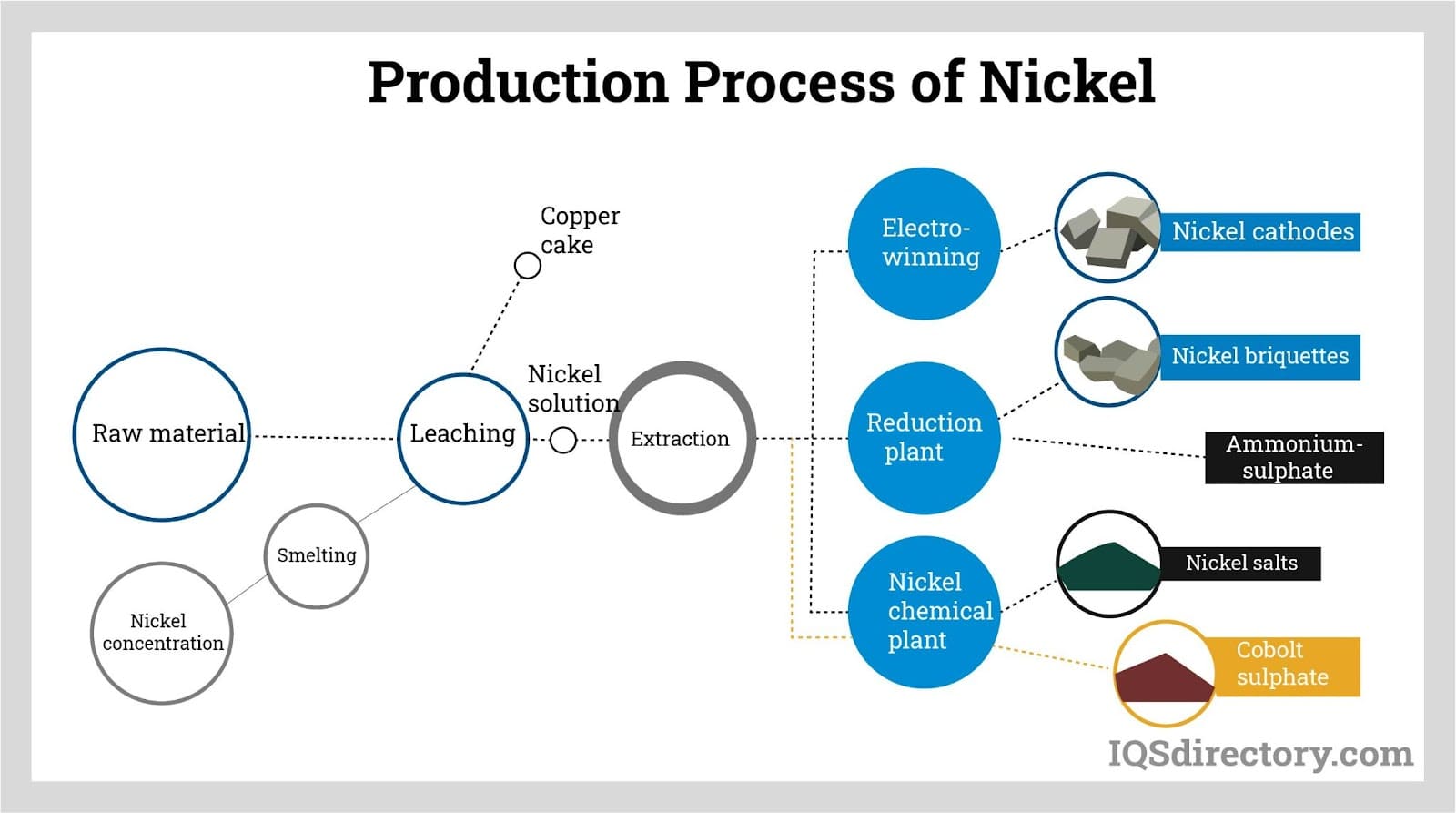
What Is A Nickel Made Out Of
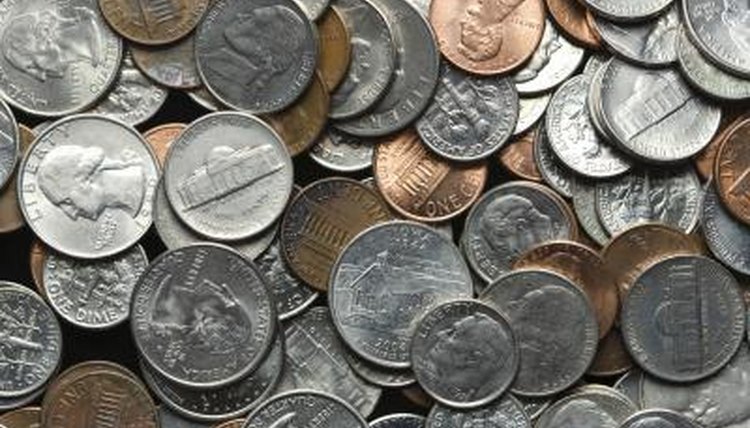
We all know the humble nickel. It’s that familiar, silvery-gray coin, slightly larger than a dime, that jingles in our pockets and disappears into vending machines. We use it to buy a stick of gum, settle a small debt with a friend, or perhaps drop it into a child’s piggy bank. It’s such a constant presence in our lives that most of us probably don’t give it a second thought beyond its five-cent value. But what if I told you that our good old friend, the nickel, holds a little secret? A delightful, slightly surprising secret about what it’s actually made of.
The Big Reveal: It's Not All Nickel!
Prepare for a small twist in your perception of pocket change. If you've always assumed a nickel was made purely of, well, nickel, you're not alone! It makes perfect sense, given the name. But here's the fun part: your trusty five-cent coin is actually a brilliant blend, a metallic cocktail designed for durability and daily duty. It's like finding out your favorite superhero has a secret ingredient in their power-up smoothie!
The truth is, our everyday nickel is predominantly made from another metal entirely. It's a clever bit of metallurgical magic that gives the coin its strength, its distinctive color, and its ability to withstand countless trips through hands, machines, and the occasional tumble down the sidewalk.
Must Read
A Secret Recipe: Copper Takes the Lead
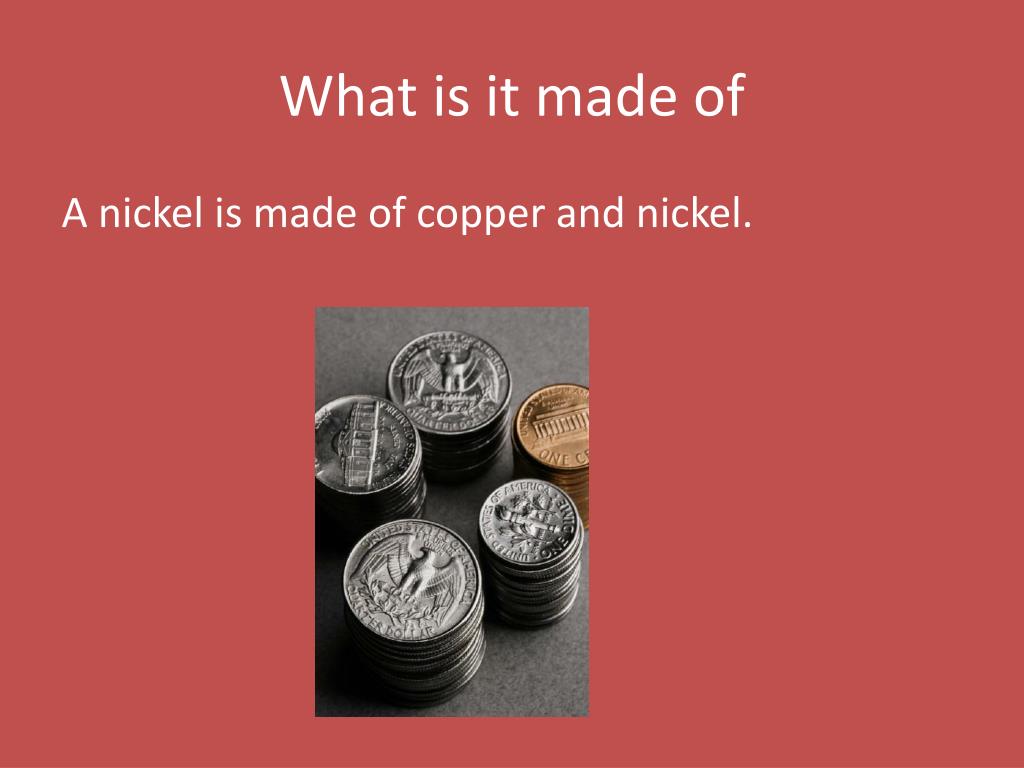
So, what's the star player in this metallic ensemble? It’s none other than copper! That’s right, the same reddish-brown metal you might find in electrical wires or old pennies. Your nickel is actually 75% copper and only 25% nickel. Think of it as a small, sturdy team where copper does most of the heavy lifting, providing the bulk and resilience, while nickel brings its unique properties to the mix, especially its silvery shine and extra toughness.
This particular alloy, this special blend of metals, even has a fancy scientific name: cupronickel. But you don't need to remember that; just think of it as a perfect partnership. Imagine a chef creating a recipe that isn't just delicious, but also incredibly strong and long-lasting. That's what the brilliant minds at the mint did when they decided on this composition.
"Who knew such a small coin could hide such a clever composition? It's like a tiny metallic marvel in your hand!"
The choice to use a mix, rather than pure nickel, wasn't arbitrary. Pure nickel, while strong, can be a bit too hard to strike into coins, and pure copper alone would wear down too quickly and lose its luster. By combining them, they created a coin that's just right: durable enough to last for decades, resistant to corrosion, and easy enough to stamp with all those intricate designs we see, from Thomas Jefferson's profile to the Monticello building.
The Coin with a Personality (and a Misnomer!)
It's quite amusing, isn't it? We call it a "nickel," yet the dominant metal is copper. It’s a bit like calling a strawberry shortcake a “cream cake” even though the strawberries are the main event. This naming quirk dates back to when nickel was first introduced as a major component in U.S. coins in the mid-19th century. At the time, even a quarter share of nickel was considered quite significant and novel, making the name stick. So, our little coin carries a historical legacy, a tribute to its tough-guy ingredient, even if it's numerically in the minority.

Think about the journey your average nickel takes. From the moment it’s minted, a shiny new disk, it embarks on an incredible adventure. It travels from bank vaults to cash registers, from your pocket to a pay phone (remember those?), and perhaps even spends a quiet spell beneath the cushions of your sofa. Through all this, it sustains drops, scratches, and the general wear and tear of daily life. Its cupronickel makeup is precisely what allows it to handle such a demanding career, retaining its shape and value for years, sometimes even decades. Each faint scratch on its surface tells a tiny story of a transaction, a trip, or a moment in someone's day.
The next time you hold a five-cent coin, take a moment to appreciate its hidden strength. It’s not just a simple piece of metal; it’s a tiny engineering marvel, a testament to clever design. It’s a durable, hard-working little artifact, bustling with the silent history of countless exchanges. It reminds us that even the most common objects can have fascinating stories and surprising compositions. So go ahead, give your nickel a little extra respect. It’s more than just five cents; it’s a quarter nickel, three-quarters copper, and 100% amazing!