
What Is A Kwh Of Electricity
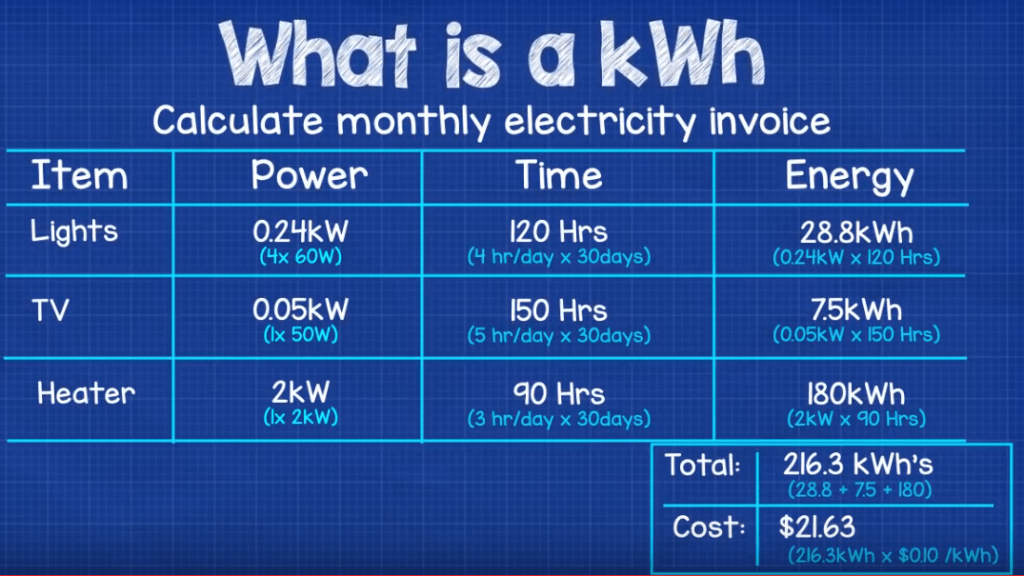
Ever stared at your electricity bill, mystified by "kWh"? You're not alone! This term often feels like a secret code. But understanding a kilowatt-hour is simple, and it can genuinely change your daily life. Think of kWh as the standard unit for measuring the energy you consume, like miles for distance. It's how electricity companies charge you.
Breaking Down the Buzzword: K-W-H
Let's unpack this term:
First, the Watt (W). This is power – electricity's 'speed.' A 100-watt bulb, for instance, uses 100 watts of power when on.
Must Read
Next, kilo (k) means 'one thousand.' So, a kilowatt (kW) is 1,000 watts. Larger appliances like your microwave (around 1 kW) are rated in kilowatts.
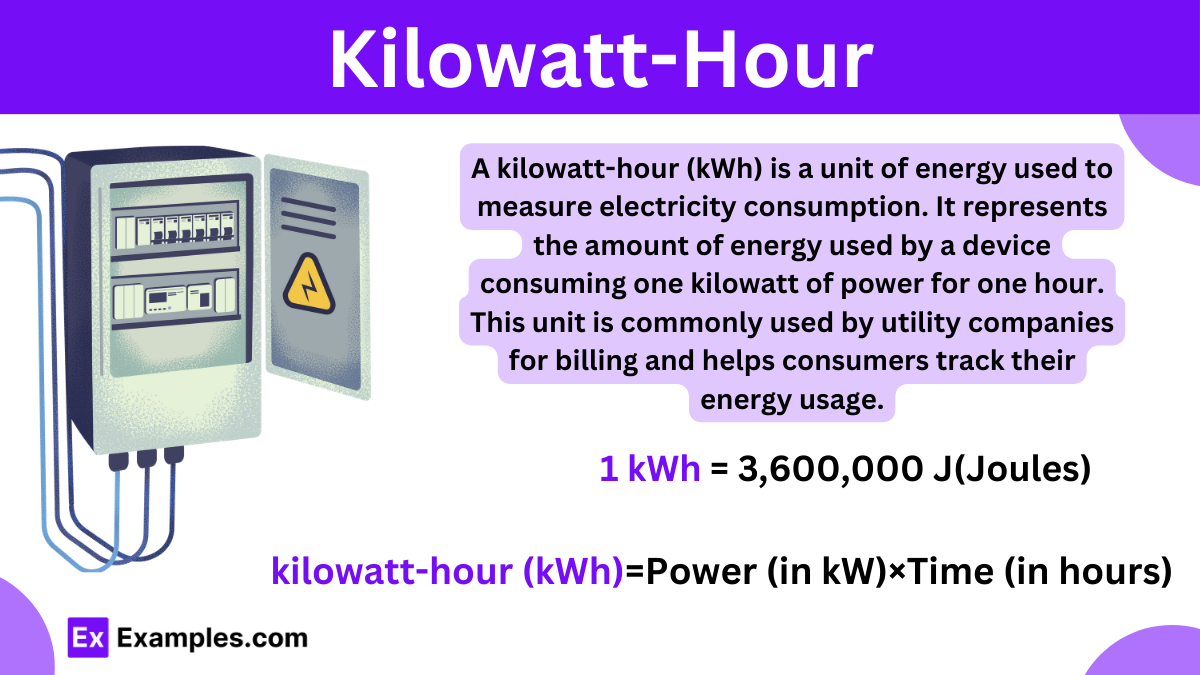
Finally, the hour (h). This familiar time unit, combined with power, gives us energy. A kWh is about power used over a duration.
.png)
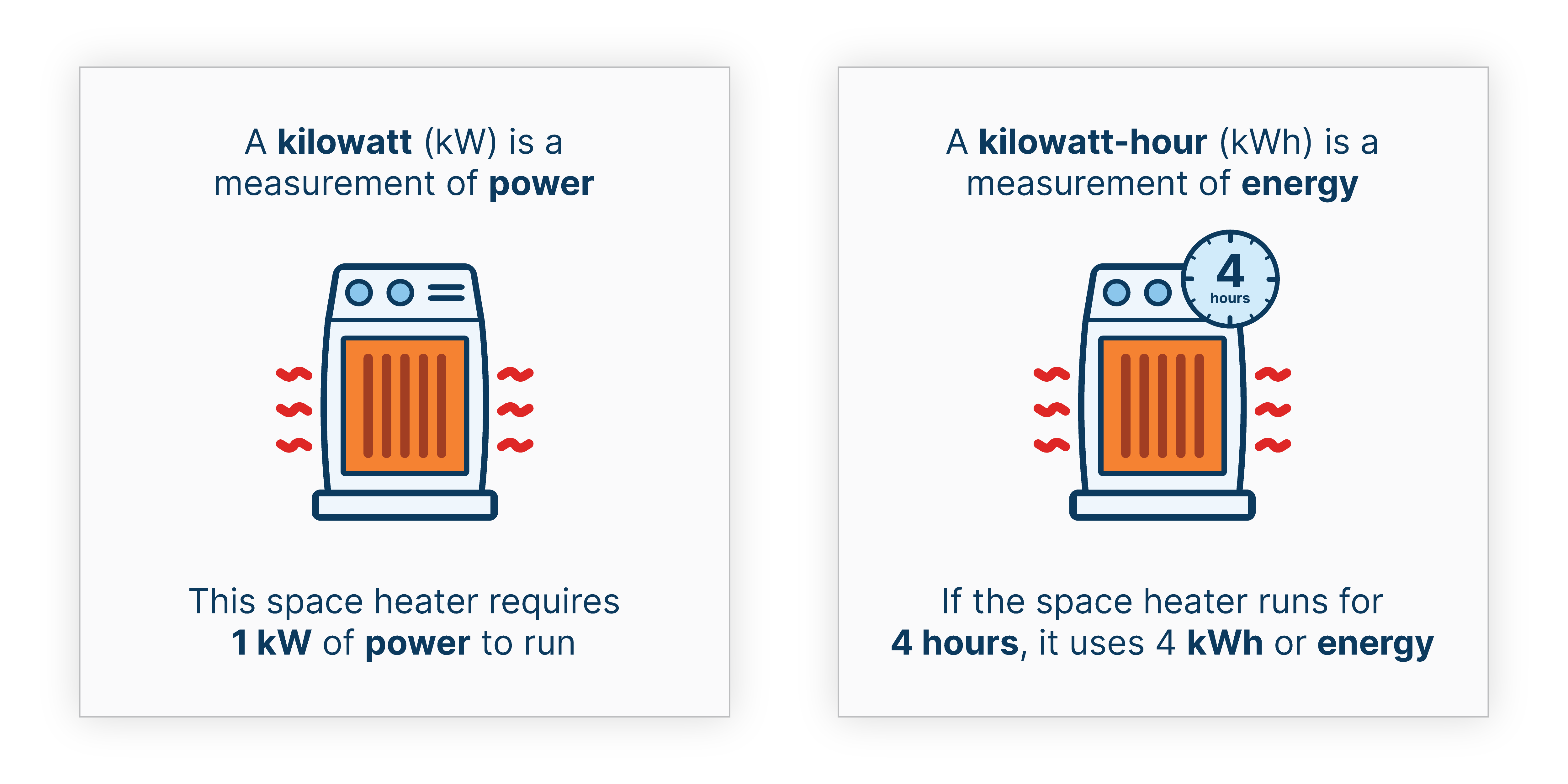
In short: a kilowatt-hour (kWh) is the energy consumed by a 1-kilowatt appliance running for one full hour. Simple!
What Can 1 kWh Actually Do?
This is where it gets practical! Here's what 1 kWh can power:
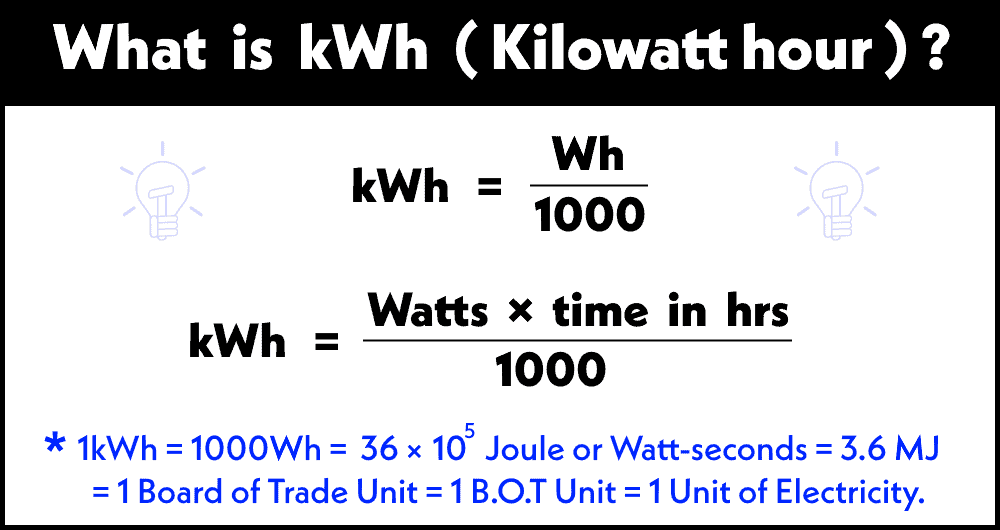
- You could binge-watch your favorite show on a 50-inch LED TV for about 10-12 hours.
- It's enough to run a modern, efficient refrigerator for roughly 24 hours.
- Charge your smartphone, say, 100 times over.
- Run a powerful electric kettle for about 20-30 minutes.
- Vacuum your entire house for a solid hour or two.
Pretty cool, huh? It puts a tangible value on that abstract number.
Your Bill, Your Power: Why Understanding kWh Matters
Beyond satisfying your inner science geek, understanding kWh is your secret weapon for a few key reasons:
1. Billing Clarity: Your electricity company charges per kWh. Knowing its cost (check your bill!) helps estimate how much that extra long gaming session or forgotten light adds up. Essential for budgeting!
2. Smart Savings: Grasping that running high-wattage appliances for extended periods guzzles kWh helps you make smarter choices. Unplugging 'vampire power' devices (chargers, dormant TVs) also adds up.
3. Eco-Friendly Living: Every kWh saved means less demand on power plants and reduced carbon emissions. This empowers you to be a conscious consumer, contributing to a greener planet – your personal superpower!
Practical Tips for Savvy Consumers
- Check the Labels: Appliances have labels indicating wattage/consumption. Look for "EnergyGuide" stickers for kWh estimates.
- Monitor Your Usage: Smart plugs or whole-home energy monitors show real-time consumption. Knowledge is power!
- Embrace LED: Swapping incandescents for LEDs saves significant kWh, using a fraction of power for the same light, lasting longer.
- Unplug Those Vampires: Devices (chargers, TVs) draw power even when off. Individually minor, they collectively add up to surprising kWh.
- Understand Peak vs. Off-Peak: Some utilities charge different rates by time of day. Using high-energy appliances during off-peak hours saves money.
Fun Fact Flash!
Did you know the average U.S. home uses around 893 kWh per month? That's a lot of Netflix! Historically, kWh as a unit solidified with electricity's widespread adoption in the early 20th century, aiding fair billing.
Your Daily Power Play
So, next time you see "kWh" on your bill, don't just sigh. See it as a language you now understand, giving you agency. It's about empowerment – to save money, live more sustainably, and be aware of the invisible energy threads connecting us to our modern world. Go forth and be an energy-savvy superstar!