What Is A Hurricane Made Out Of

While no one enjoys being in the direct path of a hurricane, there's an undeniable human fascination with the raw, untamed power of nature. From the mesmerizing dance of lightning to the majestic roar of ocean waves, these phenomena remind us of our planet's incredible forces. And few natural events are as awe-inspiring, or as humbling, as a hurricane. It’s a topic that captivates us, not just for its destructive potential, but for its sheer scale and complexity. But have you ever stopped to wonder, what exactly is a hurricane made out of?
Believe it or not, these powerful storms play a truly vital, albeit sometimes devastating, role in Earth's ecosystem. They act as massive heat engines, helping to redistribute energy from the equator towards the poles, preventing some tropical regions from becoming unbearably hot. They bring much-needed rainfall to large landmasses, replenishing freshwater supplies and supporting agriculture in areas that might otherwise become arid. Furthermore, the intense churning of ocean waters by hurricane winds brings nutrient-rich water from the deep to the surface, supporting diverse marine ecosystems. On a human level, studying hurricanes fuels significant advancements in meteorology, improving our understanding of atmospheric dynamics and leading to increasingly accurate forecasting models that save countless lives.
Our ongoing interaction with hurricanes, whether directly experiencing them or observing them from afar, has led to remarkable innovations. From the meticulously tracked paths of historic storms like Katrina or Ian to the sophisticated satellite imagery we now rely on, our understanding constantly evolves. This knowledge is not just academic; it directly translates into life-saving early warning systems, enhanced storm surge predictions, and more resilient infrastructure in coastal communities, allowing us to better prepare and respond to these immense forces.
Must Read
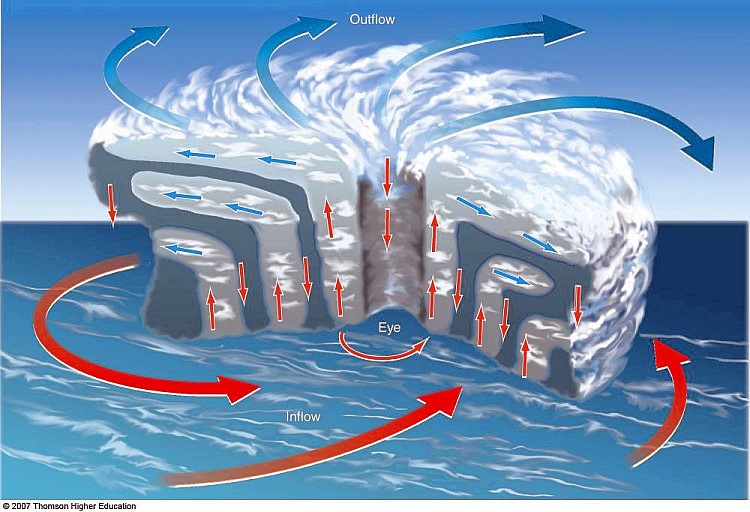
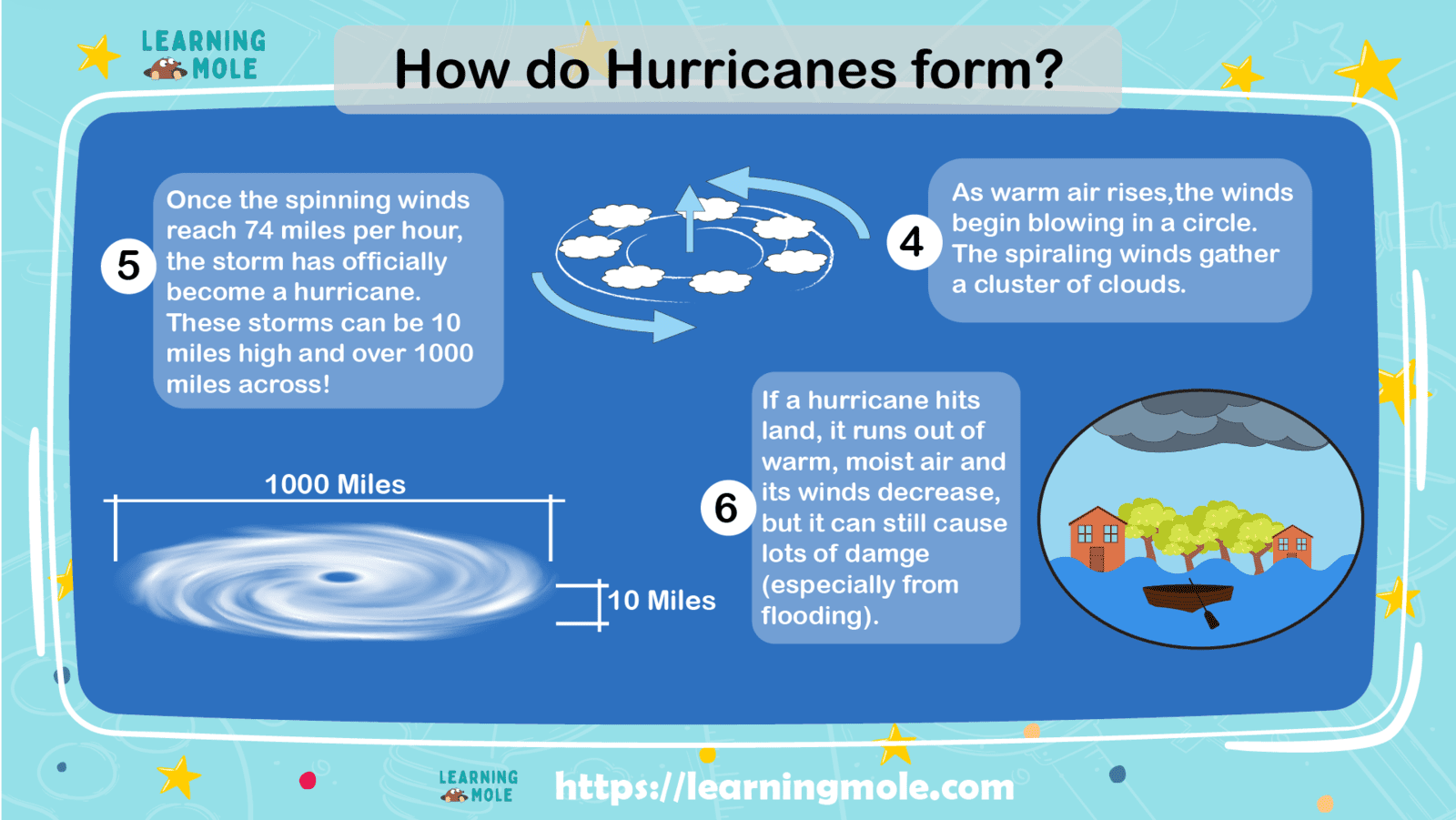
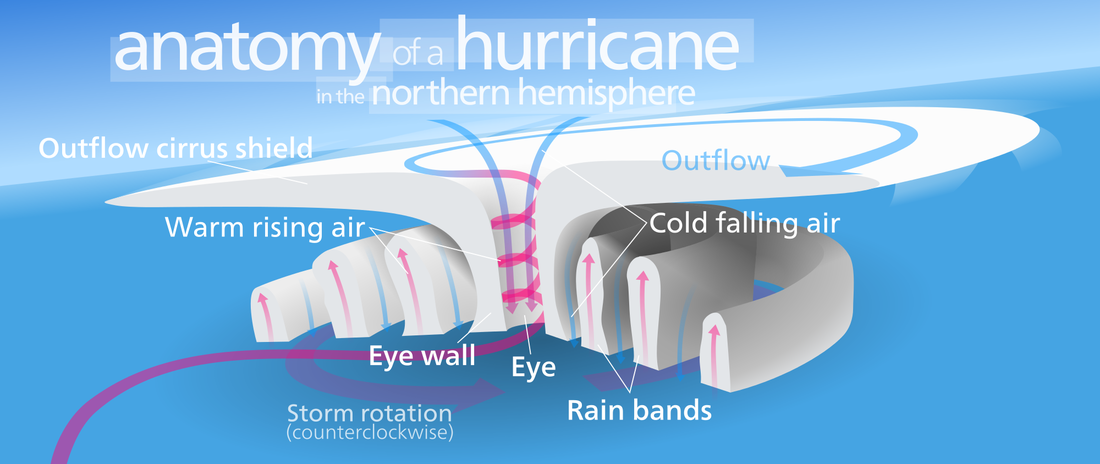
So, what are the fundamental ingredients in this colossal recipe? First, and most crucially, a hurricane needs warm ocean water. Think of it as the storm’s primary fuel source, typically requiring surface temperatures of at least 80°F (26.5°C) and extending to a depth of about 150 feet. Next, you need moist air, which rises from that warm ocean surface, cools, and condenses into towering thunderclouds. The genesis of a hurricane often begins with a pre-existing low-pressure system, a kind of atmospheric ripple that acts as a starting point. Critical for the storm to organize vertically is light wind shear – meaning winds don’t change much in speed or direction as you go higher in the atmosphere. Too much shear can rip a budding storm apart. Finally, to get that iconic, powerful spin, you need the Coriolis effect, the force caused by Earth's rotation that deflects moving air masses. This is why hurricanes never form exactly at the equator, where the Coriolis effect is weakest.
To truly appreciate a hurricane, it’s best done from a safe, informed distance. The most effective way to engage with this topic is to stay highly informed: pay close attention to meteorological forecasts and advisories during storm season. Develop a family emergency plan, know your evacuation route, and have an emergency kit ready. Beyond preparedness, immerse yourself in the science; watch documentaries, explore interactive satellite imagery online, or read up on the latest hurricane research. By understanding their power and respecting their presence, we can learn to coexist more safely and effectively with these extraordinary phenomena.