What Is A Hurricane In The Indian Ocean Called

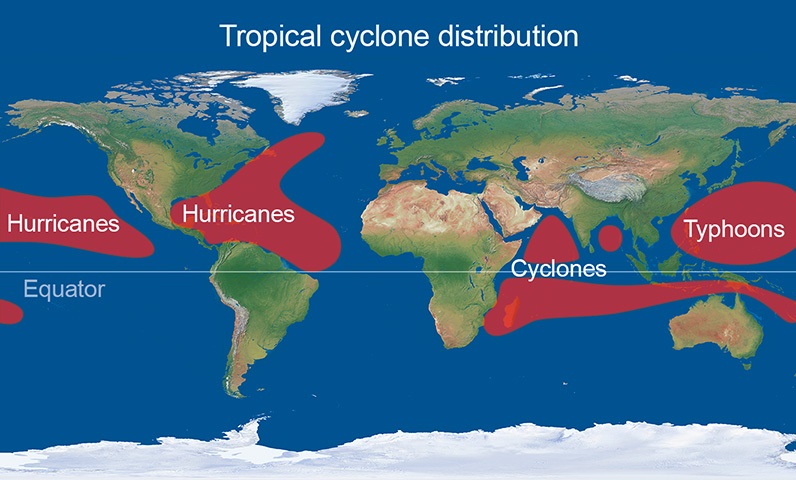
Ever wondered why the news talks about hurricanes in the Atlantic, but maybe cyclones or typhoons somewhere else? It's not just reporters being confusing! Different regions of the world use different names for the same powerful weather phenomenon: a tropical cyclone. Figuring out what these storms are called depending on where they form is actually pretty fun, a bit like learning a secret language. Plus, knowing the terminology helps you understand weather reports and stay informed during storm season, no matter where you are or where your loved ones are!
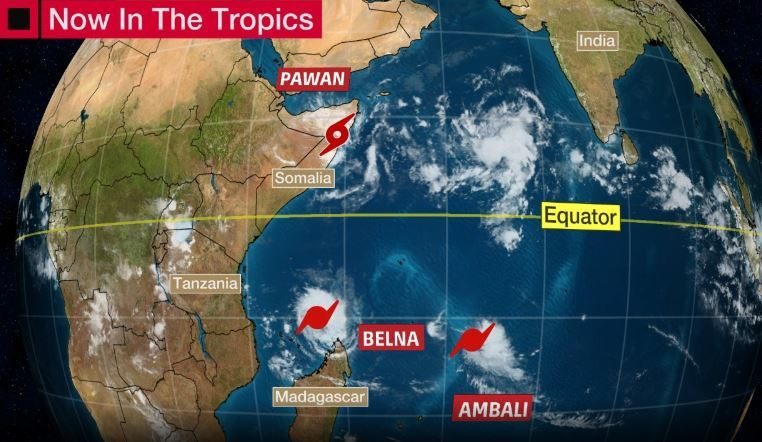
So, let's dive into the Indian Ocean. What do we call those swirling behemoths of wind and rain that brew in its warm waters? The answer is: a cyclone! That's right, in the Indian Ocean, a tropical cyclone is most commonly referred to as a cyclone.
But why different names? Well, it's largely historical and geographical. The World Meteorological Organization (WMO) coordinates naming conventions globally, but different regional specialized meteorological centers (RSMCs) are responsible for specific basins. Each RSMC has its own list of names for storms, and the local terminology often reflects established usage. Think of it as regional dialects for severe weather!
Must Read
The purpose of naming these storms is pretty straightforward: identification and communication. Imagine trying to track several simultaneous storms using only their coordinates. It would be a logistical nightmare! Names make it easier for meteorologists, emergency responders, and the public to track, discuss, and remember specific storms. This improved communication leads to better preparedness and potentially saves lives.
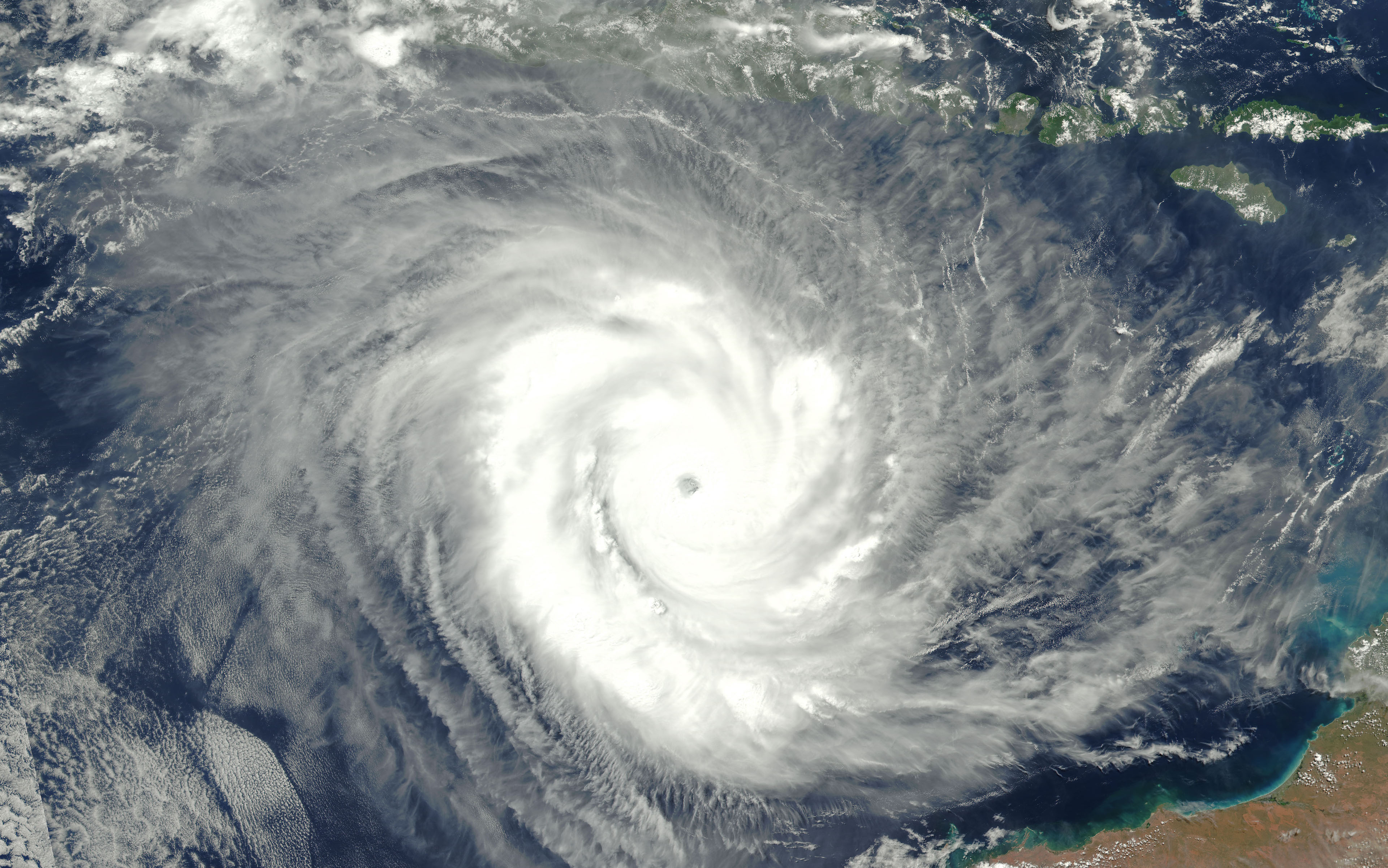
The benefits of a well-defined naming system are numerous. Firstly, it allows for clearer public awareness. When a cyclone like Cyclone Amphan approaches, everyone knows exactly which storm is being discussed. This prevents confusion and ensures that people are getting the right information about potential impacts. Secondly, it aids in disaster management. Emergency services can plan their responses more effectively when they have a clear understanding of the threat. Thirdly, it's invaluable for scientific research. Researchers can track the history and behavior of different cyclones over time, leading to a better understanding of these complex weather systems.
So, next time you hear about a powerful storm brewing in the Bay of Bengal or the Arabian Sea, remember it's called a cyclone. Understanding this simple distinction empowers you to follow weather reports more effectively and appreciate the global effort involved in monitoring and predicting these potentially devastating events. Stay safe and stay informed!