
What Is A Good Thermostat Temperature For Winter

Ah, winter. The season of snowflakes, questionable holiday sweaters, and the age-old thermostat wars. What exactly is the magical number that keeps everyone happy (or at least avoids a full-blown family feud)?
The Great Thermostat Debate
Let's be honest, setting the thermostat is less about science and more about diplomacy. It's a high-stakes negotiation involving budget constraints, personal comfort, and that one family member who's always cold, no matter what.
You know the one. They wear fingerless gloves indoors and clutch a hot water bottle like it's a lifeline.
Must Read
The "Economical Eagle" vs. The "Toasty Tyrant"
Every household has its own thermostat dynamic. Perhaps you have an "Economical Eagle" who insists on keeping the house at a brisk 65°F to save money.
Then there's the "Toasty Tyrant" who cranks it up to a balmy 78°F, turning your home into a tropical oasis in the middle of January. Somewhere in the middle of these two you can find the sweet spot.
Where's the happy medium? Is there a universally "good" temperature that will keep both your wallet and your sanity intact?
The 68-Degree Sweet Spot (Maybe)
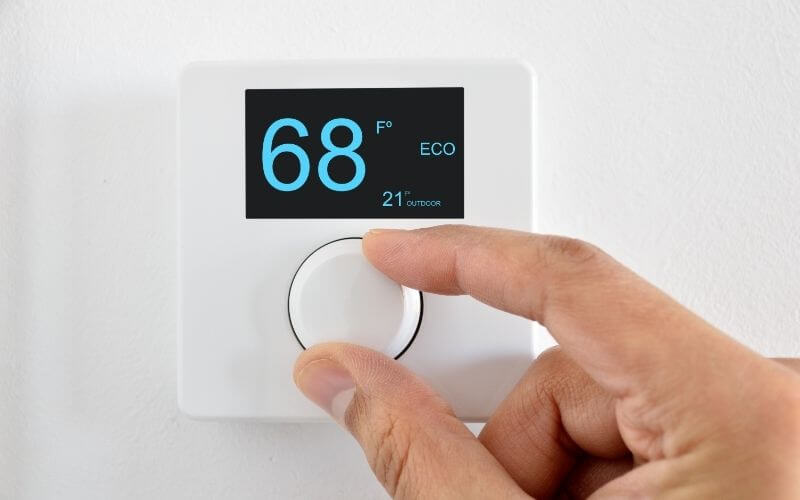
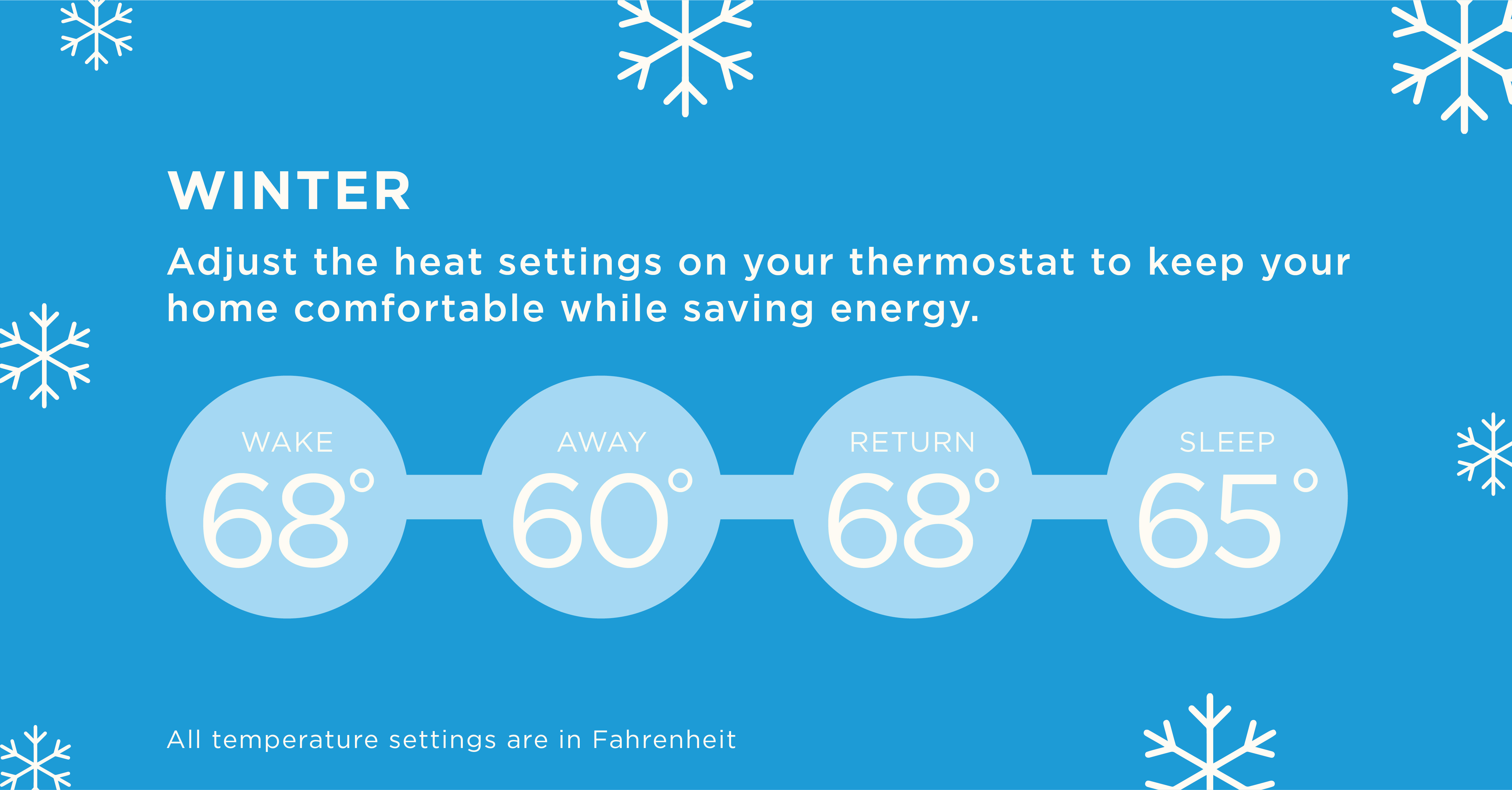
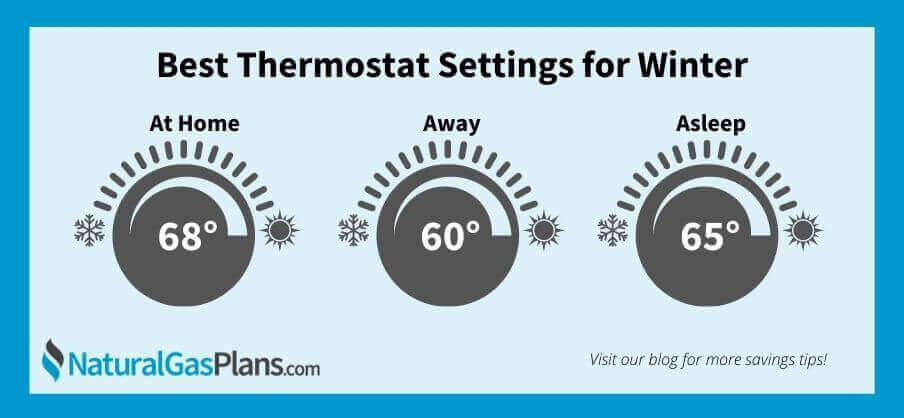
Experts often suggest 68°F (20°C) as a good starting point when you're home and awake. It's considered energy-efficient while still providing a reasonable level of comfort for most people.
Think of 68°F as the Switzerland of thermostat settings – neutral, balanced, and trying to avoid conflict.
But remember, this is just a suggestion. Personal preferences play a huge role!
The Pajama Factor
Consider the "Pajama Factor." Are you rocking thermal underwear and a fleece robe, or are you more of a lightweight-cotton-pajamas kind of person?
Your choice of sleepwear can significantly impact how warm you feel at any given temperature. Layer up and you might just be able to turn that thermostat down a notch!
Remember, layering can make 68 degrees feel like 72.
Sleeping Soundly (and Saving Money)
While you're sleeping, you can safely lower the thermostat even further. Most people sleep best in a cooler environment, and you'll save energy while you snooze.
Aim for somewhere in the range of 60-67°F (15-19°C). You might need an extra blanket, but your energy bill will thank you.
Think of it as giving your furnace a well-deserved night off.
The Programmable Thermostat Power Play
Here's where the magic of the programmable thermostat comes in. It's like having a tiny, automated thermostat ninja that adjusts the temperature according to your schedule.
Set it to lower the temperature while you're at work and asleep, and then have it warm up the house just before you wake up. It's pure thermostat genius!
Some smart thermostats even "learn" your habits and adjust the temperature accordingly. Pretty soon, they'll be making breakfast, too.
:max_bytes(150000):strip_icc()/thermostatGettyImages-163842038-5a29c5eceb4d5200364ab479.jpg)
Beyond the Numbers: Other Factors at Play
Temperature is subjective. Beyond just numbers there are other things at play like air flow.
Think about these factors that can make a difference.
Drafts and Insulation: The Silent Saboteurs
Drafty windows and poor insulation can make a huge difference in how comfortable you feel. Even if your thermostat is set at 70°F, a chilly draft can make it feel much colder.
Seal those windows! Insulate those walls! Become a draft-dodging superhero!
Addressing these issues can dramatically improve your comfort level and lower your energy bills.
Humidity: The Sneaky Culprit
Humidity also plays a role in how warm or cold you feel. Dry air can make you feel colder, even at the same temperature as a humid environment.
Consider using a humidifier to add moisture to the air, especially if you live in a dry climate. This can make a surprisingly big difference.
Humidifiers are also great for preventing dry skin and chapped lips – bonus!
Sunlight: The Natural Heater
Don't underestimate the power of the sun! Open your curtains during the day to let in natural sunlight and warmth.
Just be sure to close them at night to help retain heat. Sunlight is free heat, use it wisely.
It's like getting a warm hug from the sun, all while saving on your heating bill!
The Ultimate Thermostat Tip: Communication!
The best thermostat setting is the one that works for everyone in your household. That means… (drumroll please)… communication!
Talk to your family members about their comfort levels and try to find a compromise that everyone can live with. Maybe even hold a family thermostat summit!
Remember, a little empathy can go a long way in preventing thermostat-related conflicts.
Embrace the Cozy
Ultimately, winter is a time for cozy blankets, warm drinks, and spending time with loved ones. Don't let the thermostat become a source of stress.
Embrace the season and find a temperature that makes your home feel like a warm and inviting sanctuary.
And if all else fails, invest in a really, really big sweater.
So, What's the Verdict?
There's no single "perfect" thermostat temperature for winter. It's a personal decision based on a variety of factors, including your budget, your comfort preferences, and the thermal properties of your home.
Experiment, communicate, and don't be afraid to adjust the thermostat until you find the sweet spot that works for you and your family.
Happy heating!
A Final Thought on the Great Thermostat Wars
Maybe, just maybe, the real secret to thermostat harmony isn't about finding the perfect temperature, but about finding the perfect balance between comfort, cost, and compromise.
So go forth, brave thermostat warriors, and conquer the cold! May your homes be warm, your bills be low, and your families be… mostly agreeable.
And remember, laughter is the best medicine... especially when your toes are freezing.