What Is A Good Heat Temperature
We live in a world steeped in temperature. From the soothing warmth of your morning coffee to the precise sizzle needed for a perfect steak, heat is constantly interacting with us and everything around us. But have you ever paused to wonder, "What exactly is a good heat temperature?" It’s a wonderfully curious question, because the answer, as you'll discover, is rarely singular. Instead, it’s a fascinating journey into purpose, comfort, and remarkable efficiency.
Learning about "good" heat temperatures isn't just for scientists in lab coats; it's genuinely relevant and even fun for all of us. It helps us understand why our bread bakes perfectly, why a hot shower feels so invigorating, or even why certain foods need to be stored at specific chills. The purpose of understanding these temperatures is ultimately about achieving desired outcomes – whether that’s optimal flavor, maximum safety, or simply pure comfort. The benefits ripple through our daily lives, making us better cooks, more comfortable inhabitants of our homes, and more mindful consumers of energy.
Think about daily life, and you'll find countless examples. In the kitchen, "good" heat is paramount. For baking a cake, the oven needs to hit a precise temperature (often around 350°F or 175°C) to ensure it rises beautifully and cooks through without burning. Too low, and it might be dense; too high, and you get a charred outside and raw middle. Frying an egg demands a medium heat, allowing the whites to set and the yolk to warm gently without crisping too much. Even your favorite hot beverage has an optimal temperature – coffee is often best brewed around 200°F (93°C) for ideal extraction, and tea has varying sweet spots depending on the leaf type, with green teas preferring cooler water to avoid bitterness.
Must Read
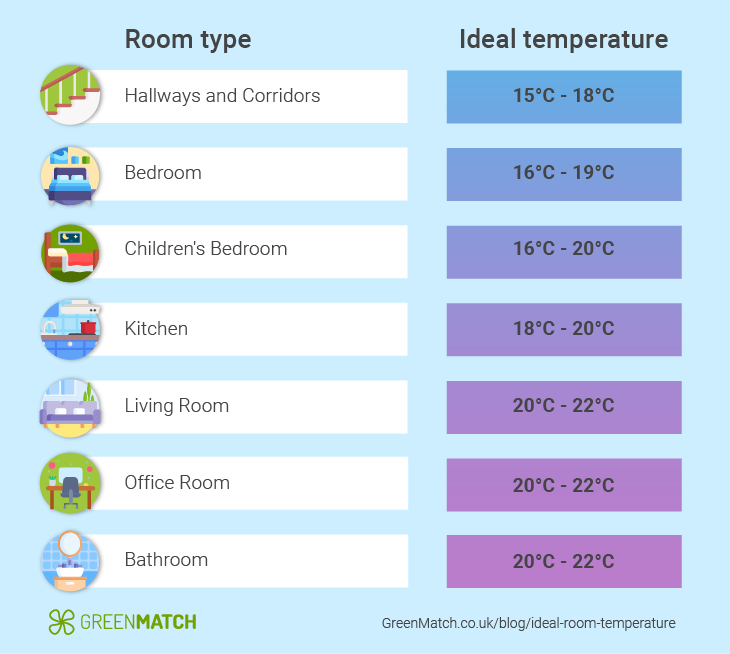
Beyond culinary delights, consider personal comfort. A "good" heat for your home in winter might be 70°F (21°C), keeping you cozy without being stifling or wasteful. A bath or shower is all about finding that just right warmth that relaxes muscles without scalding your skin. Even your own body has a remarkably stable "good" heat temperature, hovering around 98.6°F (37°C), a deviation from which often signals illness. In educational settings, understanding heat transfer and optimal temperatures is fundamental in subjects like physics (thermal dynamics), chemistry (reaction rates), and even biology (enzyme activity and homeostasis). It helps students grasp the underlying principles that govern so much of our natural world and technological advancements.
So, how can you explore this fascinating world of "good" heat? It’s surprisingly simple! Start by becoming more observant. Notice how different stove settings affect your cooking. Invest in a simple kitchen thermometer – it’s a game-changer for food safety and perfection, ensuring meats reach safe internal temperatures and candy is made correctly. Experiment with your thermostat, finding the perfect balance of comfort and energy efficiency. When making a cup of tea, try letting the boiling water cool for a minute or two before pouring, especially for delicate green teas, and taste the difference. Pay attention to how your body reacts to various temperatures. These small, practical explorations will not only deepen your understanding but also enhance your everyday experiences, turning a mundane concept into a journey of curious discovery.