What Is A Federal Tax Credit For Electric Vehicles
Let's face it, who doesn't love the thrill of a new car? The smell of the interior, the smooth ride, and that feeling of freedom as you hit the open road. And these days, more and more of us are considering swapping gas guzzlers for their electric counterparts. But electric vehicles (EVs) can come with a hefty price tag. That's where the federal tax credit comes in, offering a much-needed boost to make going electric a more realistic option.
So, what exactly is this federal tax credit for electric vehicles? Simply put, it's a government incentive designed to encourage people to purchase new electric and plug-in hybrid vehicles. Think of it as a reward for choosing a cleaner, more sustainable mode of transportation. The idea is to reduce our reliance on fossil fuels, decrease harmful emissions, and promote the growth of the electric vehicle market.
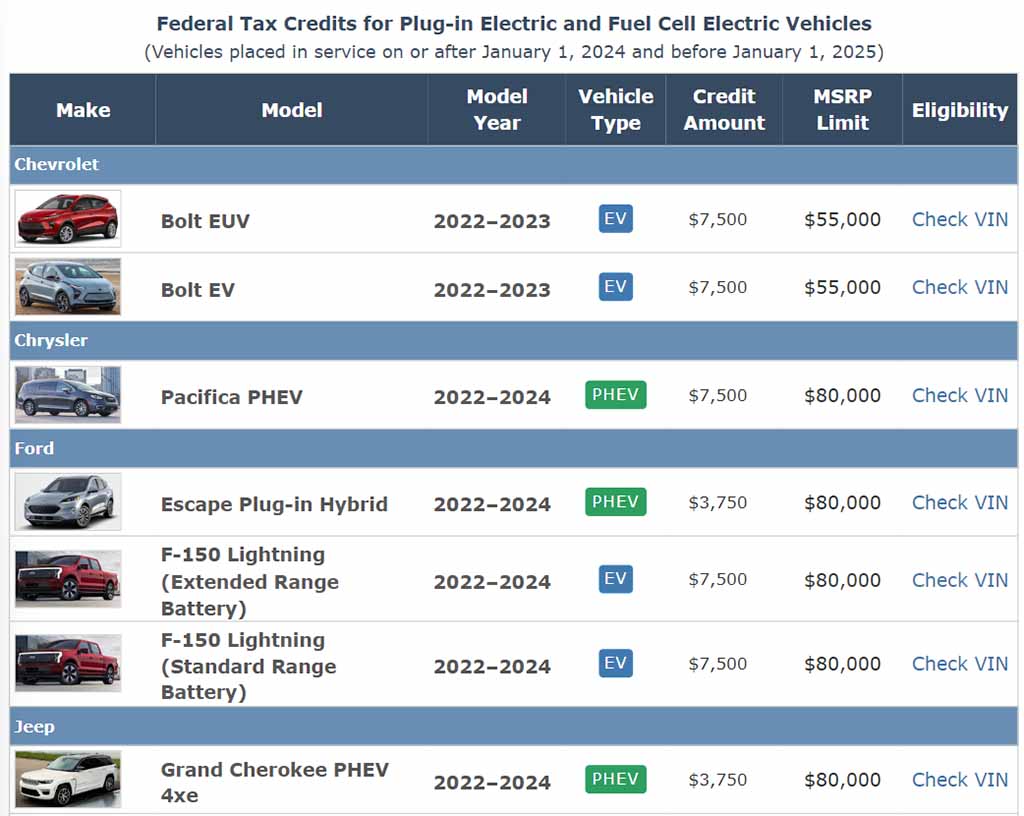
The main benefit is clear: you get a tax break! This credit can significantly lower the overall cost of buying an EV. The exact amount of the credit depends on several factors, including the vehicle's battery capacity. While the maximum credit used to be a flat $7,500, current rules under the Inflation Reduction Act introduce some important changes. Now, the credit is up to $7,500, but it’s split into two parts: $3,750 is based on battery components being manufactured or assembled in North America, and the other $3,750 is based on the critical minerals used in the battery being extracted or processed in the US or countries with free trade agreements with the US.
Must Read
This credit is typically applied when you file your federal income taxes. After purchasing your new EV, you'll receive a form (like Form 8936) that you need to fill out and submit with your tax return. The credit then reduces the amount of tax you owe, potentially saving you thousands of dollars. Common examples of eligible vehicles include models from Tesla, Chevrolet, Ford, Nissan, and many others. However, it's crucial to check the official IRS website or consult with a tax professional to confirm eligibility, as there are income limitations and vehicle requirements to keep in mind.
Want to make the most of the EV tax credit? Here are a few practical tips:
- Do your research: Before buying any EV, check its eligibility for the tax credit on the IRS website. Regulations and eligible models change.
- Understand income limitations: The Inflation Reduction Act introduced income limits. Make sure your adjusted gross income (AGI) falls within the allowed thresholds to qualify for the credit.
- Keep accurate records: Save all documentation related to your EV purchase, including the sales contract and any other relevant paperwork. This will make filing your taxes much easier.
- Consider timing: Pay attention to when you buy your EV, as tax laws can change year to year.
- Consult a tax professional: If you're unsure about any aspect of the tax credit, don't hesitate to seek advice from a qualified tax advisor. They can provide personalized guidance based on your individual circumstances.
Ultimately, the federal tax credit for electric vehicles is a valuable tool to help make cleaner transportation more accessible. By understanding the benefits and how to apply for it, you can potentially save money and contribute to a greener future. So, why not consider taking the plunge and joining the electric revolution? You might be surprised at how much you enjoy the ride – and the savings!