What Is A Dye Penetrant Test

Ever had a tiny, pesky crack in something valuable – maybe your favorite coffee mug, or even your phone screen – that you knew was there, but just couldn't quite see? It’s frustrating, right? You tap it, you squint, you tilt it in the light, hoping to catch a glimpse of the culprit. Well, imagine if that tiny, hidden crack was in something a lot more important. Something like an airplane part, or a critical component in your car’s engine, or even a piece of equipment at an amusement park. Suddenly, that invisible flaw isn't just annoying; it could be a real safety concern.
This is where our unsung hero, the Dye Penetrant Test (or DPT for short), steps onto the stage! It's like the Sherlock Holmes of material inspection, designed to sniff out those sneaky surface cracks and imperfections that are too small for the naked eye to spot. And trust me, it’s a lot more charming than it sounds!
So, What Exactly Is This "Dye Penetrant" Magic?
Think of it as a four-step detective story, and it's surprisingly simple to grasp. We're looking for flaws that are open to the surface – like tiny canyons or pinholes you can’t quite perceive.
Must Read
Step 1: Get Squeaky Clean!
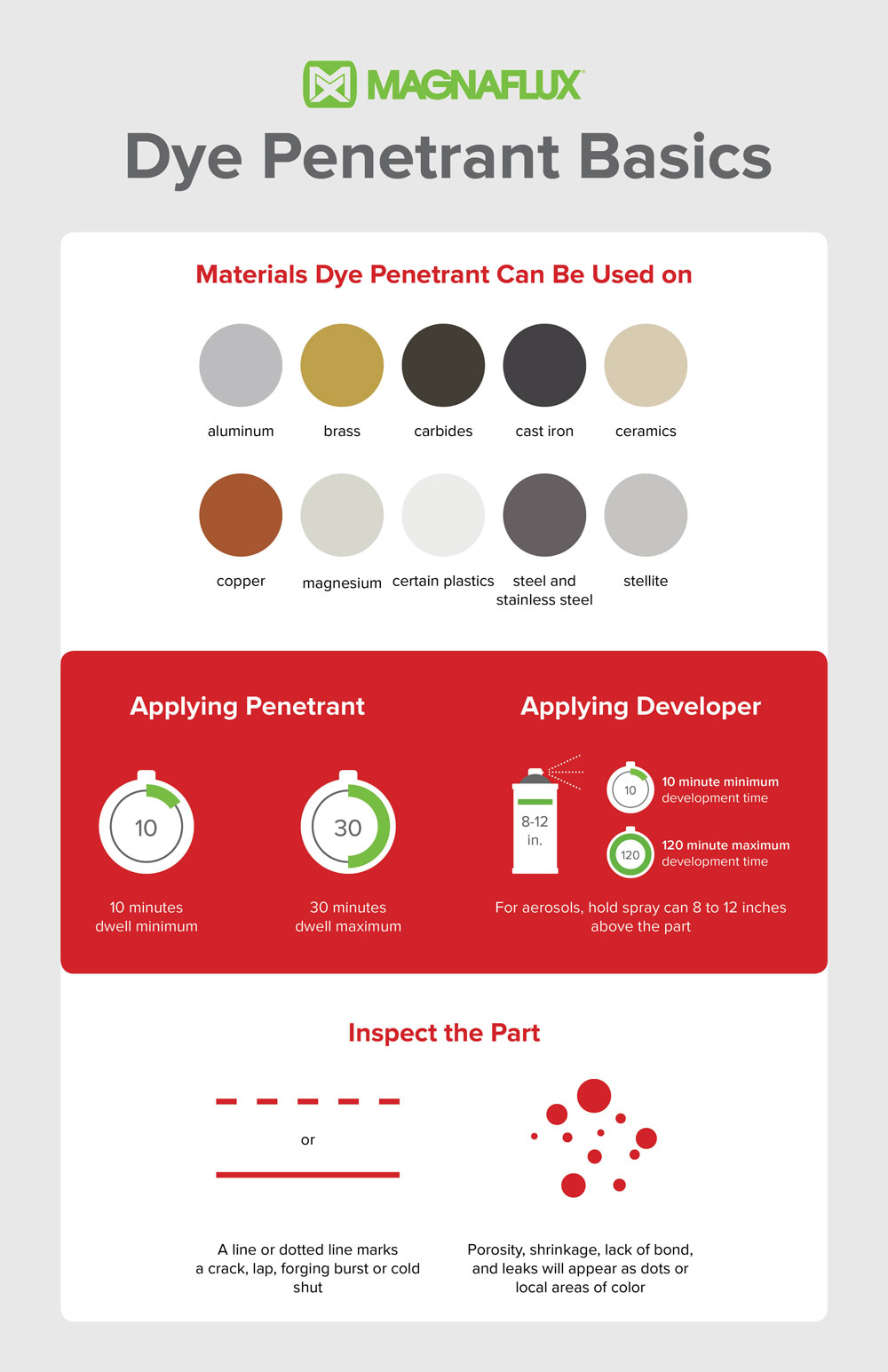
First things first, the surface of whatever we're examining needs to be spotless. Imagine trying to see a tiny scratch on a greasy frying pan – impossible! So, technicians meticulously clean the part. We’re talking degreasers, solvents, the whole nine yards, ensuring there’s no dirt, oil, or rust playing hide-and-seek. It’s like preparing a canvas for a masterpiece; you want a pristine surface to work with.
Step 2: Let the Dye Do Its Job!
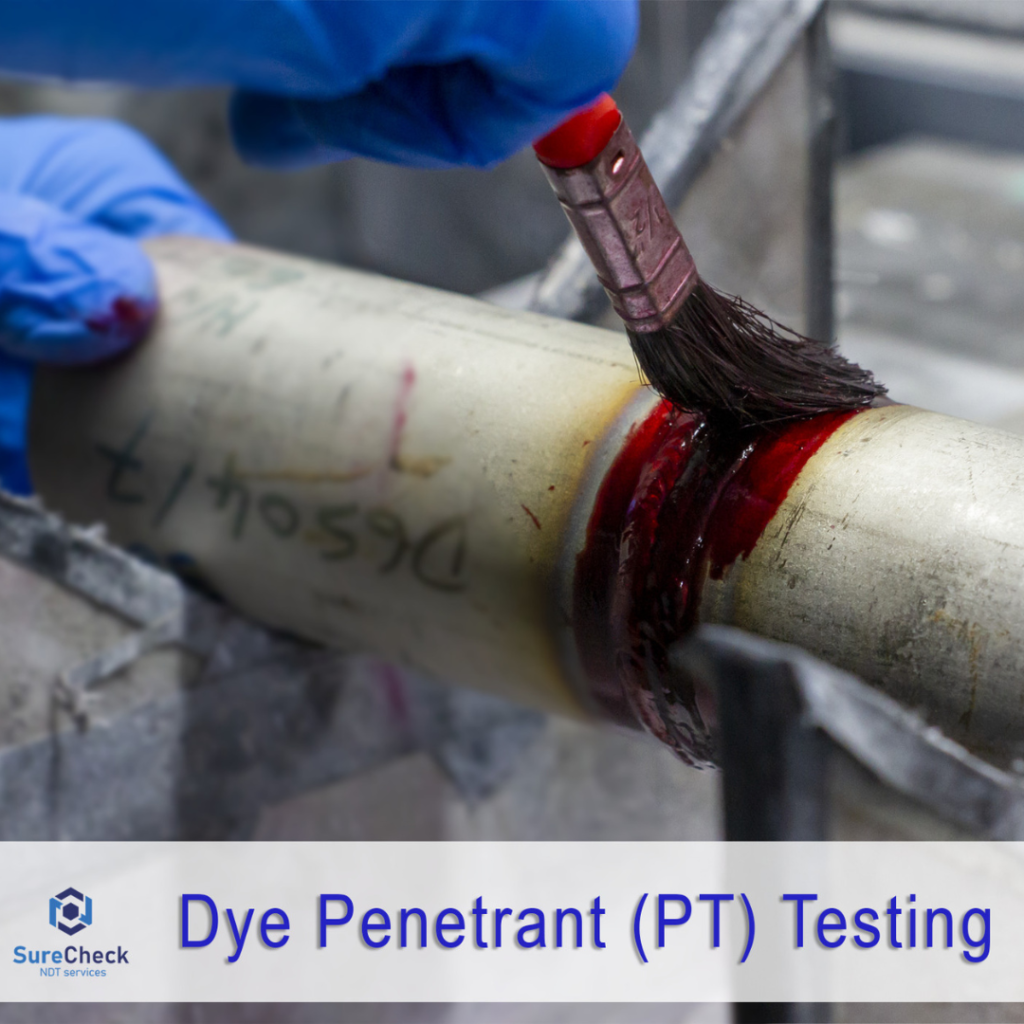
Now for the fun part! A special liquid, called the penetrant, is applied all over the cleaned surface. This penetrant is usually a bright, vivid color – often a neon red or a fluorescent green that glows under UV light. Think of it like pouring bright red juice all over a tiny sponge. If there’s any crack or pinhole, no matter how small, this low-viscosity liquid eagerly seeps into it, drawn in by a natural phenomenon called capillary action. It’s the same force that makes water climb up a thin straw or a paper towel soak up a spill. We give it a little dwell time – a few minutes for the penetrant to truly snuggle into every nook and cranny.

Step 3: Wipe it Off, But Not All of It!
Once our colorful penetrant has had time to do its investigative work, the excess is carefully removed from the surface. This is crucial! We don't want the dye sitting on the good, flawless parts; we only want it inside the cracks. It's like wiping ketchup off your plate after it's accidentally gotten into a tiny scratch – you clean the plate, but the ketchup stain might still highlight the scratch itself.
Step 4: Reveal the Secrets with a Developer!
This is where the real "aha!" moment happens. A thin, white, powdery substance called the developer is applied to the surface. This developer is like a magic blotting paper. It draws the penetrant out of any cracks or flaws it seeped into. As the developer dries, it acts like a sponge, pulling that bright red or fluorescent green dye to the surface, making the hidden flaws appear as clear, undeniable indications. Suddenly, that invisible crack in an airplane wing materializes as a vivid red line, standing out against the white developer. It’s incredibly satisfying, like watching a secret message slowly appear on a blank piece of paper!
Why Should You, a Regular Human Being, Even Care?
Alright, so it sounds neat, a bit like a science experiment. But why does this humble Dye Penetrant Test matter to your everyday life? Well, dear reader, it’s all about safety, reliability, and peace of mind!
Imagine hopping on a roller coaster at an amusement park. You want to know every single weld, every crucial connection, has been thoroughly checked, right? Or think about the sturdy bridge you drive over every day – wouldn't you sleep better knowing its key components are free from hidden surface cracks? DPT is a silent guardian working behind the scenes for these very things.

From the engines of passenger jets soaring overhead to the gleaming surgical instruments used in hospitals, from critical welds on oil pipelines to the intricate parts in your car, DPT plays a vital role. It catches tiny surface defects before they can grow into major problems, preventing potential accidents, costly equipment failures, and ensuring that products are built to last.
It’s about making sure your shiny new kitchen appliance won't suddenly give up the ghost prematurely because of a manufacturing flaw. It’s about ensuring that the components keeping that satellite in orbit are absolutely perfect. It’s about catching that tiny imperfection on a boat propeller before it becomes a stress point that causes catastrophic failure out at sea. In short, DPT helps keep our world running smoothly and safely.
So, the next time you marvel at a towering skyscraper, trust a sturdy bridge, or simply enjoy a smooth flight, take a moment to appreciate the quiet, diligent work of tests like Dye Penetrant Inspection. It’s a simple process with a profoundly important job: ensuring that the things we rely on every single day are as sound as they appear on the surface – and often, even better!