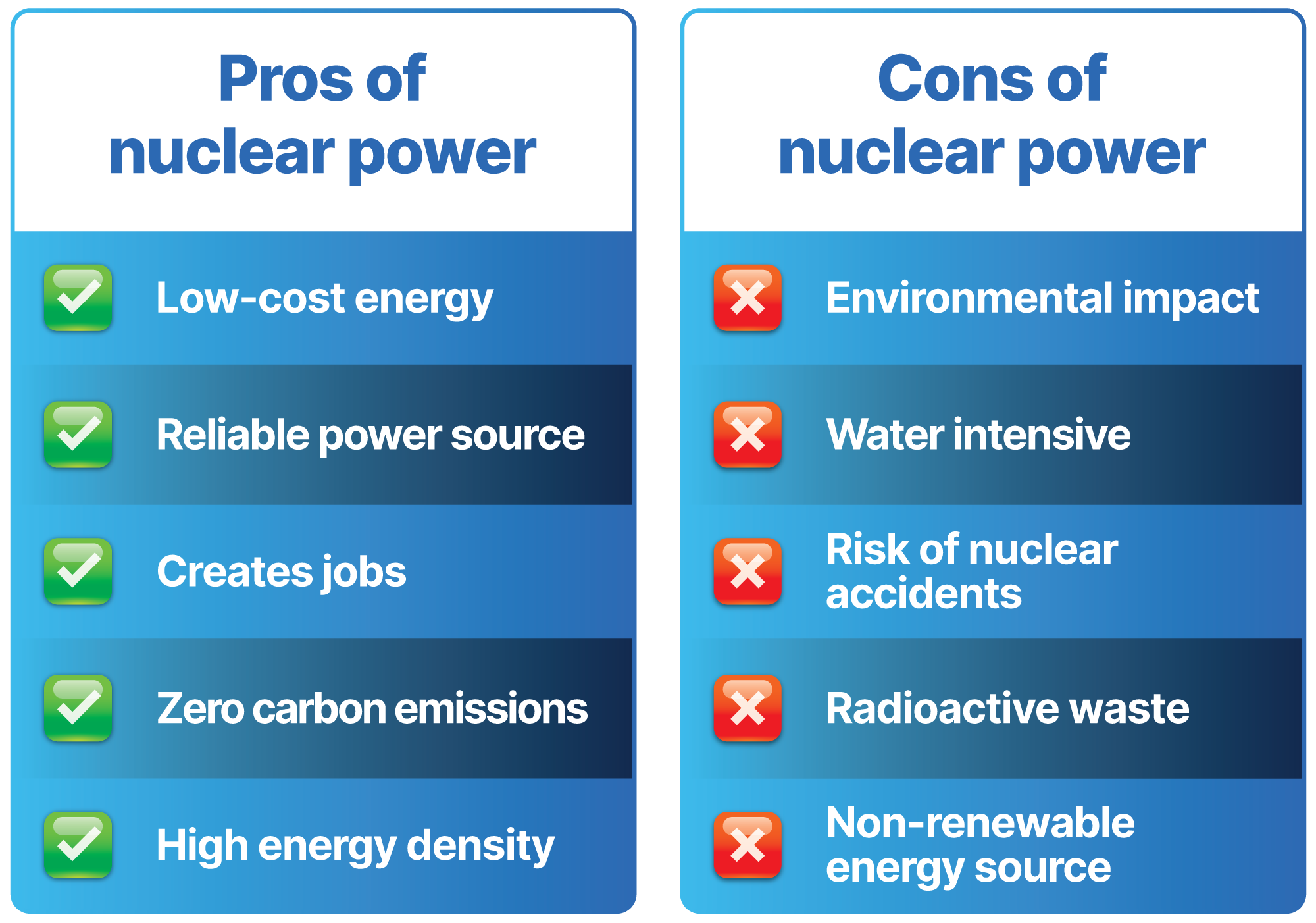
What Is A Disadvantage Of Using Nuclear Power
Let's face it, talking about energy can sound about as exciting as watching paint dry. But stick with me! We're diving into the fascinating world of nuclear power, a topic that's super relevant as we try to power our planet more sustainably. We'll explore one of the biggest challenges of using this powerful energy source – because, let's be honest, everything has its downsides.
So, why is nuclear power even a thing? Well, the main purpose is to generate electricity. Nuclear power plants use a process called nuclear fission, splitting atoms to release tremendous heat. This heat boils water, which creates steam, which then spins turbines connected to generators, ultimately producing electricity. The benefits are huge: nuclear power produces a massive amount of energy from a small amount of fuel (uranium, usually). Plus, it doesn't release greenhouse gasses into the atmosphere during operation, making it a low-carbon energy source, which is a big deal in our fight against climate change.
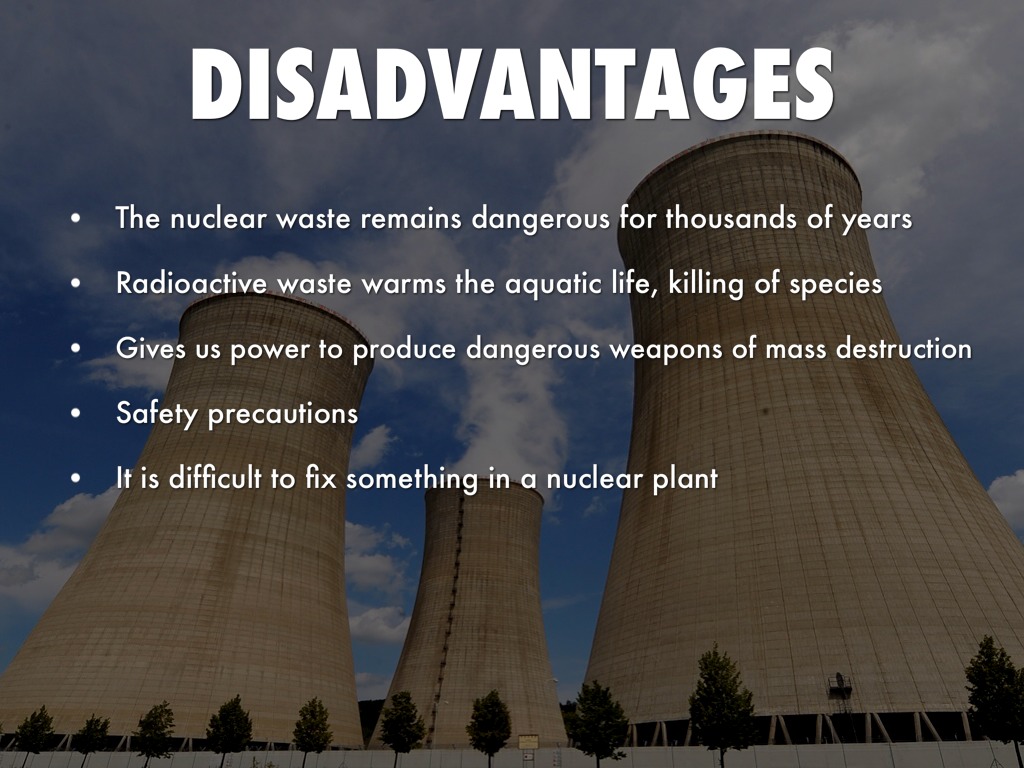
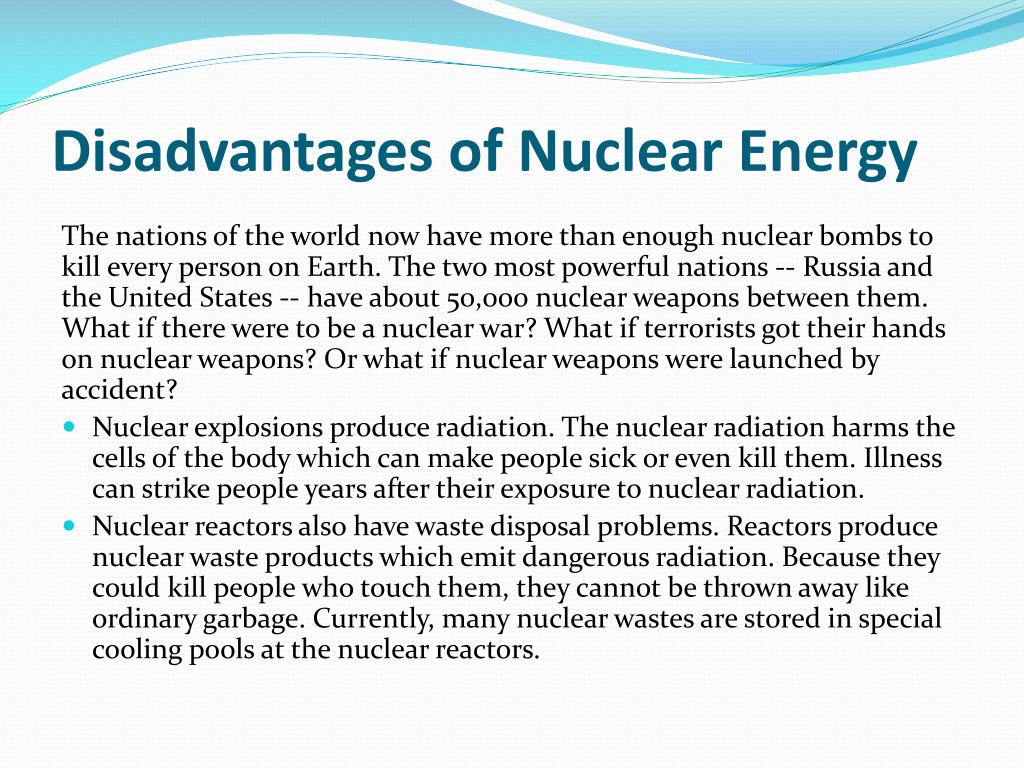
But here's the catch, the elephant in the room, the challenge we can't ignore: nuclear waste. This is the biggest disadvantage of using nuclear power. After uranium fuel is used in a reactor, it becomes radioactive waste. This waste isn't just radioactive for a day or two; some of it remains radioactive for thousands, even hundreds of thousands, of years!
Must Read
Think about that for a moment. That's longer than recorded history. That's longer than the existence of many mountains. Ensuring the safe storage and disposal of this waste is a monumental task. We need to prevent it from contaminating the environment, especially groundwater, which could have devastating consequences for ecosystems and human health.
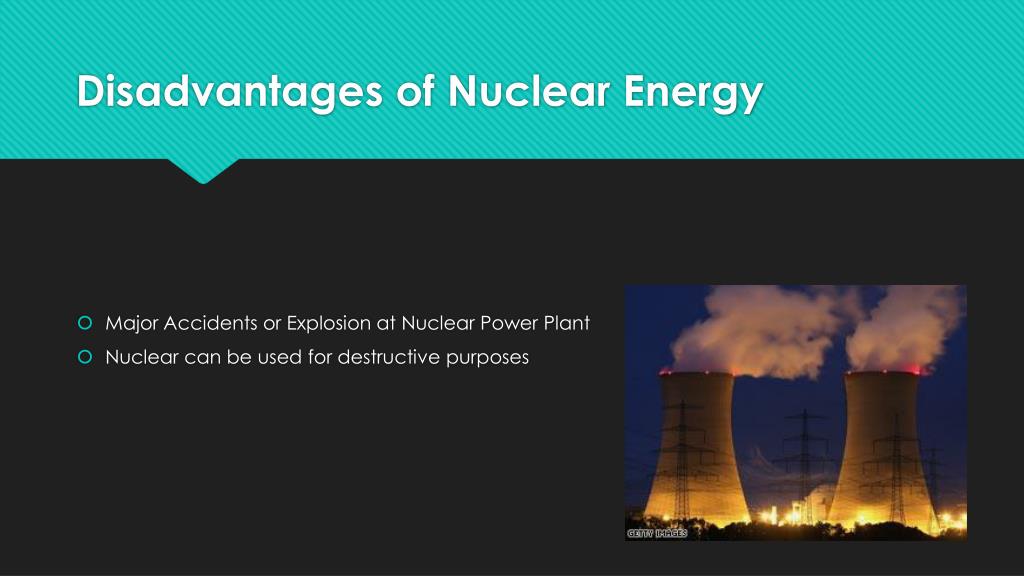
Currently, much of the nuclear waste is stored on-site at nuclear power plants in specially designed pools of water or in dry storage casks. These are engineered to be safe and secure, but they are only temporary solutions. The big question is: what do we do with it long-term?
Finding a permanent disposal site is incredibly complex. It needs to be geologically stable (no earthquakes!), far from populated areas, and constructed to prevent any leakage of radioactive materials for millennia. Finding such a location that is also politically acceptable to the local community is a massive hurdle. Nobody wants a nuclear waste repository in their backyard, and understandably so.
Researchers are exploring advanced reactor designs that could produce less waste, and even "burn" existing waste to reduce its radioactivity. This research is promising, but these technologies are still in development and not yet widely available.
In conclusion, while nuclear power offers the significant benefit of low-carbon energy production, the challenge of managing nuclear waste is a serious concern that needs careful consideration and innovative solutions. The future of nuclear power depends on our ability to address this issue responsibly and effectively. So, next time you hear about nuclear energy, remember it's not just about clean power, it's also about the long-term legacy we leave behind. It is a powerful energy source and we need to be mindful of the consequences.