
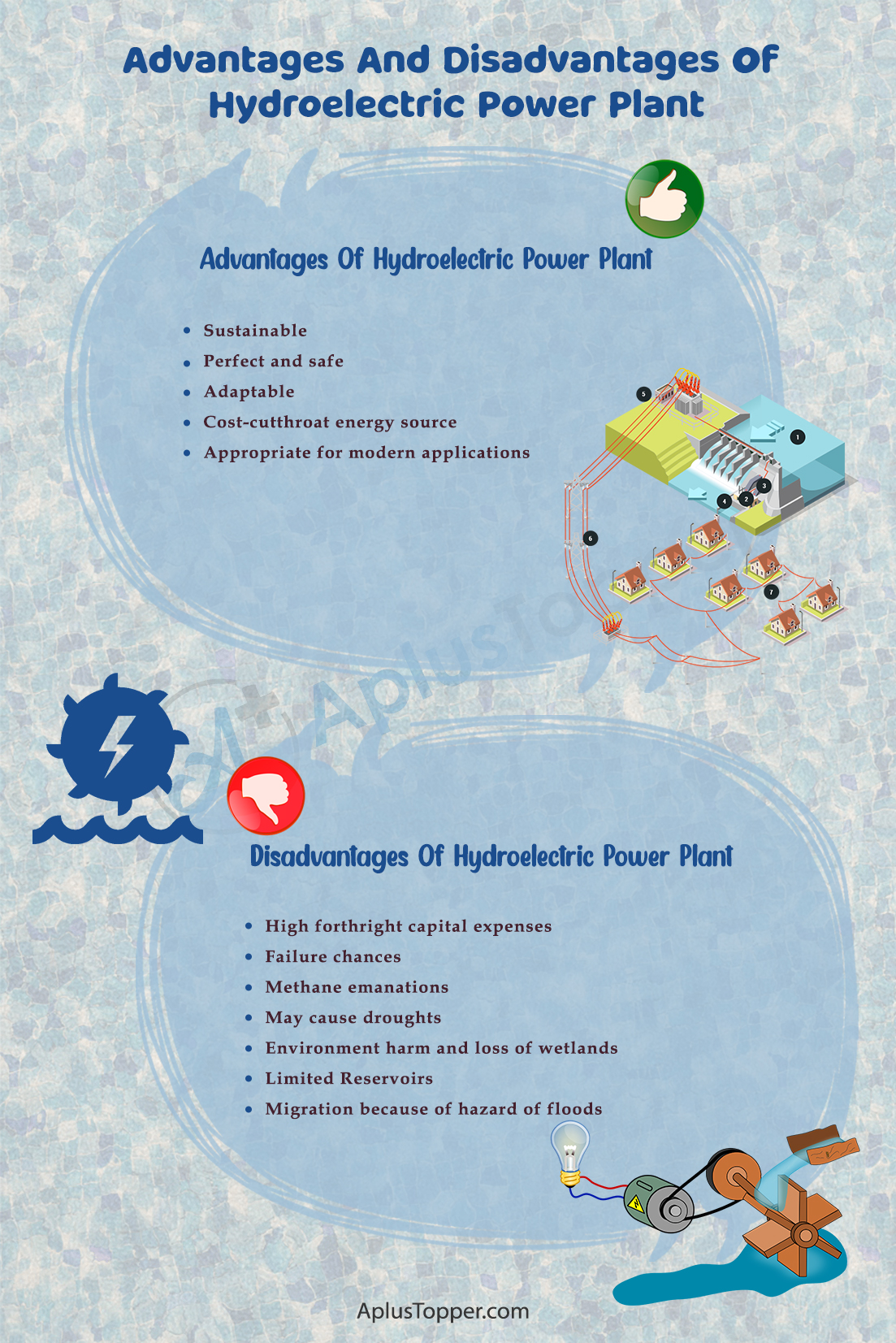
What Is A Disadvantage Of Hydroelectric Power

The Ripple Effect: A Not-So-Splashy Truth About Hydro Power
We all love a good story about harnessing nature's power. Hydroelectric power, turning the flow of rivers into electricity, sounds like a clean, green dream, right? But even the most eco-friendly superheroes have a weakness.
When Dams Become Dams-els in Distress
Think of a majestic river, teeming with life, flowing freely for centuries. Now picture a giant concrete wall – a dam – suddenly blocking its path. It's like throwing a roadblock on the highway of nature, and the consequences can be, well, a bit of a drama.
One major disadvantage? It messes with the river's ecosystem. Imagine building a swimming pool in your living room. That's a big change, and the fish aren't exactly thrilled with their new aquatic apartment complex.
Must Read
The Upside-Down River: A Fishy Tale
Rivers aren't just flowing water; they're intricate ecosystems. Fish, especially salmon, have this ingrained instinct to swim upstream to spawn. Dams can put a serious damper on their romantic rendezvous, turning their epic journey into an impossible mission.
It's like telling Romeo he can't reach Juliet because there's a giant wall in the way. Heartbreaking, isn't it? Some dams have fish ladders – essentially watery staircases – but they aren't always effective.
And it's not just about the fish swimming upstream. The entire river downstream can change. The water temperature alters, the flow slows, and the sediment that nourishes the riverbed gets trapped behind the dam. The whole river ecosystem gets a major makeover, and not necessarily in a good way.
Muddy Waters: The Sediment Story
Sediment, those tiny bits of rock and organic matter, is like the river's vitamins. It fertilizes the land downstream, replenishes beaches, and creates habitats for all sorts of critters. But when a dam blocks the flow, the sediment gets stuck, creating a muddy traffic jam.
Downstream, the river starts to starve. The land becomes less fertile, the beaches erode, and the ecosystem suffers. It's a slow, subtle change, but it has a big impact over time. It's like cutting off the river's food supply.
Think of the Nile River. For centuries, the annual floods brought fertile silt to the fields of Egypt, making the land incredibly productive. The Aswan Dam, while providing electricity, has dramatically reduced that natural fertilization. Farmers now rely more on artificial fertilizers, which can have their own environmental downsides.
The Ghost Rivers: When Water Disappears
Dams can also lead to water scarcity in some areas. When water is diverted for hydroelectric power, less of it flows downstream. In some cases, entire rivers have dried up completely. Imagine a river vanishing, leaving behind a dry, dusty riverbed. It's a chilling thought.

It's like turning off the tap, only on a much grander scale. Communities that rely on the river for drinking water, irrigation, and transportation can face serious hardship. It's a water crisis waiting to happen.
This is particularly concerning in arid regions, where water is already scarce. Building dams in these areas can exacerbate the problem, leading to conflicts over water rights and environmental degradation. It is a real problem that our society is facing.
The Reservoir Rumble: Land Under Water
Creating a reservoir behind a dam requires flooding vast areas of land. This can displace communities, destroy valuable farmland, and submerge important cultural sites. Imagine your home, your town, your history, all underwater.

It's like playing a giant game of underwater Jenga, with entire ecosystems being rearranged. The submerged vegetation decomposes, releasing greenhouse gases like methane, which contributes to climate change. Ironically, a "green" energy source can actually contribute to global warming.
The Three Gorges Dam in China, one of the largest hydroelectric projects in the world, displaced millions of people and submerged countless villages and historical sites. While the dam provides a significant amount of electricity, the social and environmental costs have been immense.
Dam Removal: A Ray of Hope?
Fortunately, there's a growing movement to remove dams and restore rivers to their natural state. Removing a dam is like taking down that roadblock on the highway of nature. The river can flow freely again, the fish can swim upstream, and the ecosystem can begin to heal.
It's a challenging process, but the benefits can be significant. Restoring a river can improve water quality, enhance fish populations, and boost recreational opportunities like fishing and kayaking. It's like giving the river a second chance at life.

The removal of the Elwha Dam in Washington State is a prime example. After the dam was removed, the river quickly began to recover, and salmon populations rebounded dramatically. It's a heartwarming story of restoration and resilience. This showcases the power of rehabilitation.
The Balancing Act: A Sustainable Future
Hydroelectric power can be a valuable source of clean energy, but it's important to consider the potential drawbacks. Building dams requires careful planning and a thorough assessment of the environmental and social impacts. We need to find a balance between our energy needs and the health of our rivers. It's a tricky act, but vital.
Perhaps the solution is smaller, run-of-the-river hydroelectric projects that have less impact on the environment. Or maybe it's investing more in other renewable energy sources like solar and wind. The key is to find sustainable solutions that meet our energy needs without sacrificing the health of our planet.
So, next time you flip a switch and turn on the lights, remember the story of the rivers and the dams. Every form of energy has its pros and cons. Let's strive for a future where we can power our lives in a way that respects nature and protects our precious resources. This is the challenge we must undertake.