
What Is A Ccf Of Natural Gas

Ever stared at your natural gas bill, mindlessly scrolling past line items, until one acronym just jumps out and screams, "What even are you?!" For many, that mysterious culprit is often CCF. Don't worry, you're not alone in that moment of bewildered silence. Before you reach for a decoder ring or assume it's some secret society for gas meters, let's break it down, friend to friend, with zero jargon and maximum good vibes.
What in the World is a CCF?
Alright, deep breaths! CCF looks intimidating, but it's actually pretty straightforward once you crack the code. It stands for Centum Cubic Feet.
"Centum," you ask? Yes, that's Latin for one hundred. Think Roman numerals: C = 100. So, the first 'C' is basically a fancy way of saying "a hundred."
Must Read
The "CF" part is a little more intuitive: it simply means Cubic Feet.
So, putting it all together, one CCF is one hundred cubic feet of natural gas. Ta-da! Mystery solved... mostly.
So, It's 100 Cubic Feet of... Air?
Well, not air, silly! It's natural gas. Imagine a box that’s one foot long, one foot wide, and one foot high. That’s one cubic foot. Now, picture a hundred of those little boxes, all filled with natural gas. That's what a CCF is.
To put it in perspective, a cubic foot is roughly the size of a microwave oven, or maybe a really hefty shoebox. So, you're talking about a volume of gas equivalent to about a hundred of those boxes. That's a decent amount of energy to keep your home cozy or your water warm!
Why Can't They Just Say "Gas"?
Good question! And one that has probably fueled many a confused rant. Gas companies measure natural gas by volume (how much space it takes up) at the meter. And CCF is their standard unit for that volume.
However, what you're actually paying for isn't just the volume itself, but the energy content of that gas. Think about it: a balloon full of air isn't going to heat your house, but a balloon full of natural gas certainly could (please don't try that at home!).
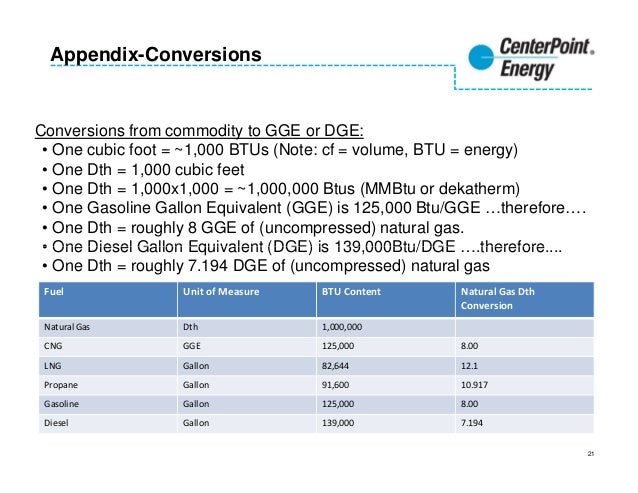
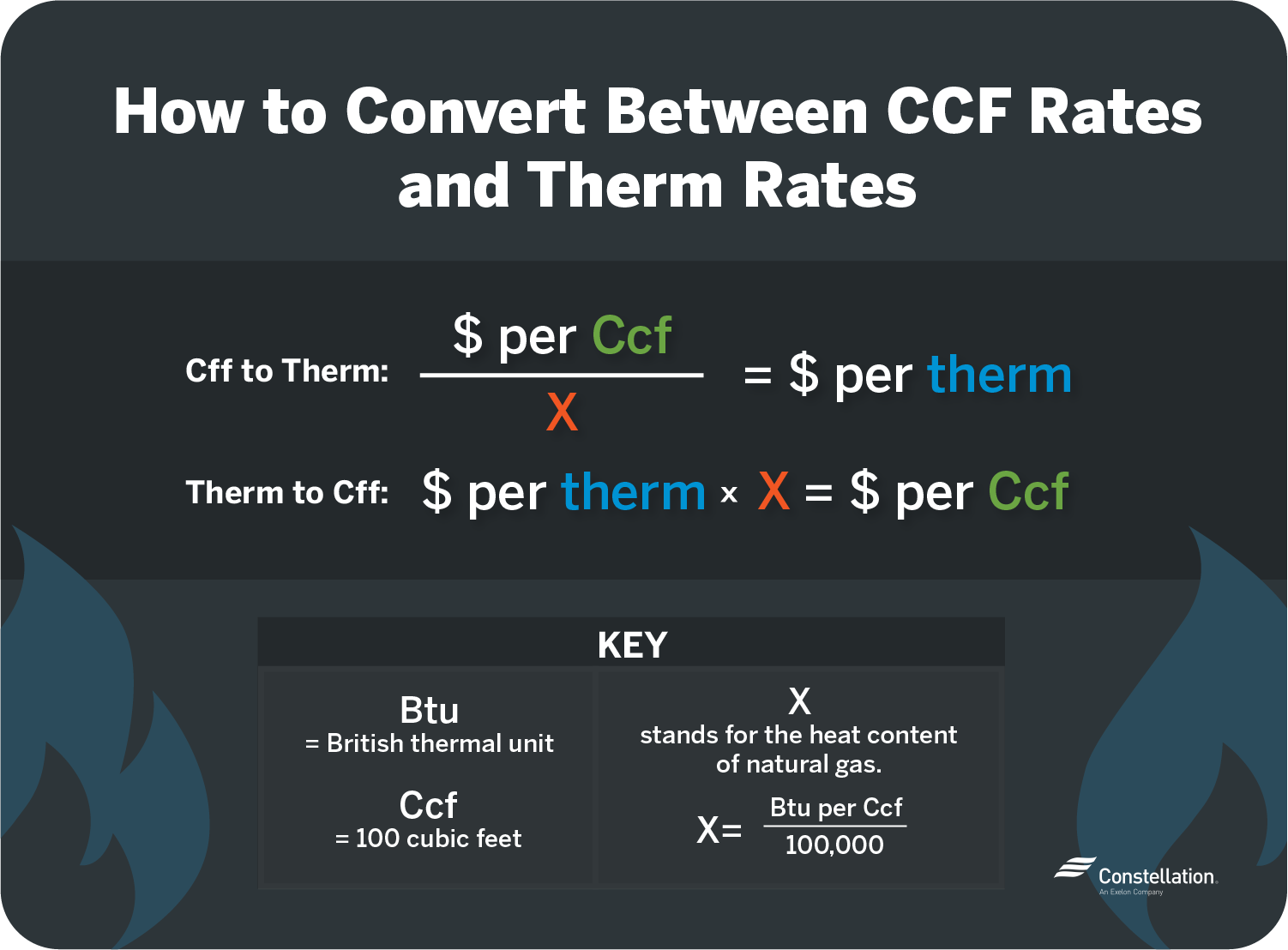
The actual energy unit you pay for is usually called a Therm. And here's where it gets a tiny bit fiddly, but still easy-peasy: one CCF is approximately equal to one Therm.
Why "approximately"? Because the energy content of natural gas can vary slightly depending on where it comes from. So, your gas company uses a conversion factor (usually listed right on your bill!) to turn those CCFs into the exact number of Therms you used. It's like converting miles to kilometers – similar, but not exactly a 1:1 swap.
Where Does This CCF Hang Out?
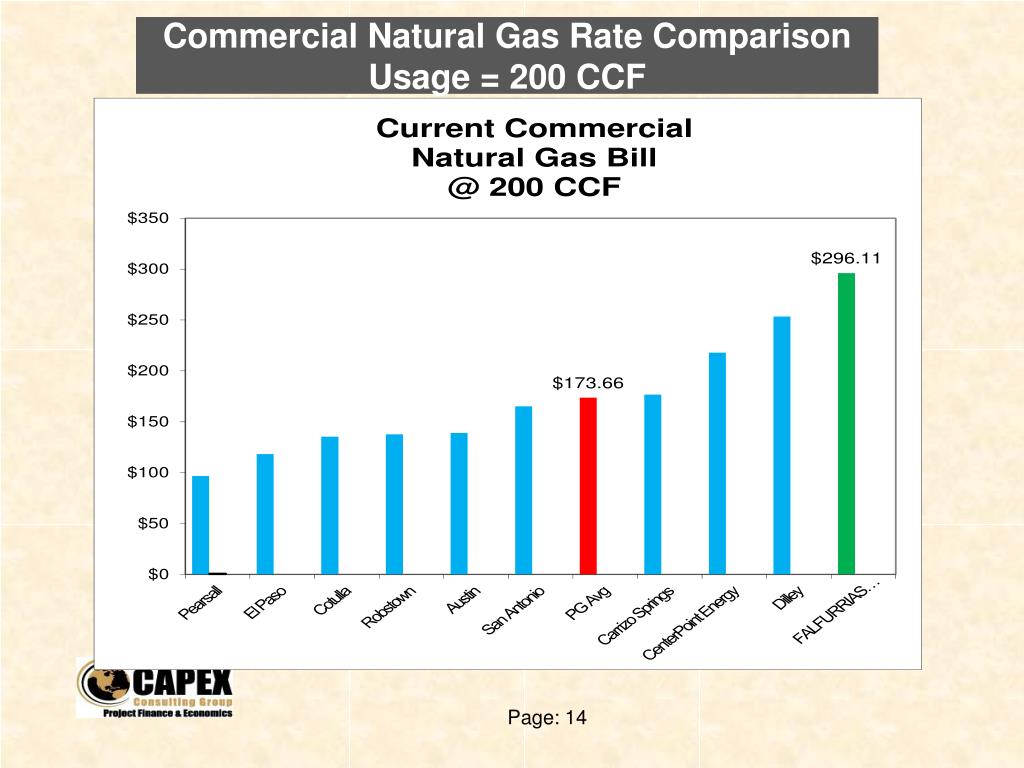
You'll typically find CCF listed on your monthly natural gas bill. It's the unit your meter measures, and it's the raw data that gets translated into the energy you pay for. It’s the starting point for calculating how much you owe!
So next time you peek at that bill, don't feel intimidated. You'll likely see your meter reading in CCF, followed by a conversion to Therms, and then the cost per Therm. Suddenly, it all makes a lot more sense, right?
Why Should I Care About This Gas-y Acronym?
Understanding CCF isn't just about winning at dinner party trivia (though you totally could!). It's about being an informed consumer.
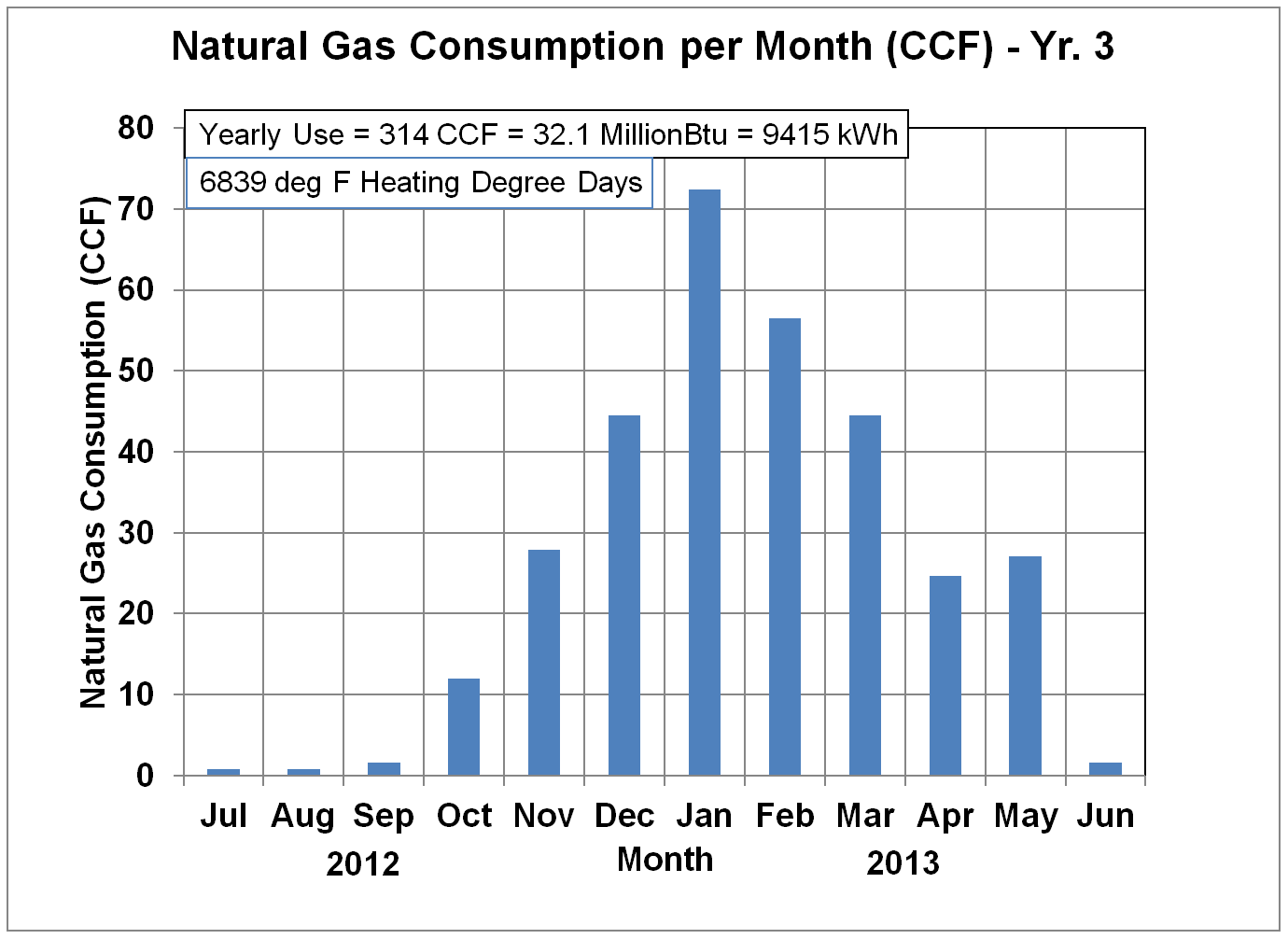
When you know what those numbers mean, you can better understand your usage patterns. Are you using more CCF this month than last? Maybe it's time to check for drafts, lower the thermostat a degree or two, or wear that snazzy sweater your aunt knitted you.
It empowers you to take control of your energy consumption and, ultimately, your wallet. You're not just paying a mysterious number; you're paying for specific units of energy that keep your life running smoothly.
So, the next time you spot CCF, give yourself a little pat on the back. You've deciphered the code! You're not just a gas customer; you're an energy guru. Keep rocking that knowledge, save some energy, and keep smiling. After all, understanding your bill can be surprisingly uplifting!