
What Is A Cause Of A Tornado
Ever gazed at the sky and wondered, "How on Earth does a tornado happen?" It’s like Mother Nature decided to throw a colossal, spinning tantrum, right? Well, buckle up, buttercup! We’re about to dive into the hilariously wild world of what whips up these sky-bound whirlwinds, without getting all stuffy and serious.
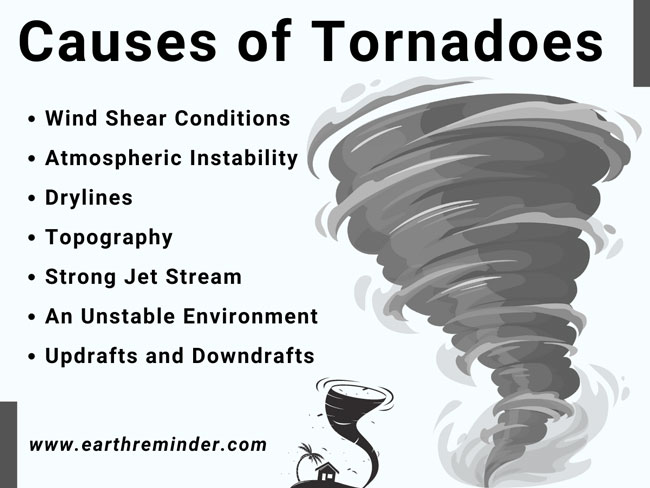
First off, think of a tornado as the ultimate atmospheric cocktail. It needs a few key ingredients to really get shaking. And trust me, these aren’t your average bar mixers!
The Great Air Meet-Up
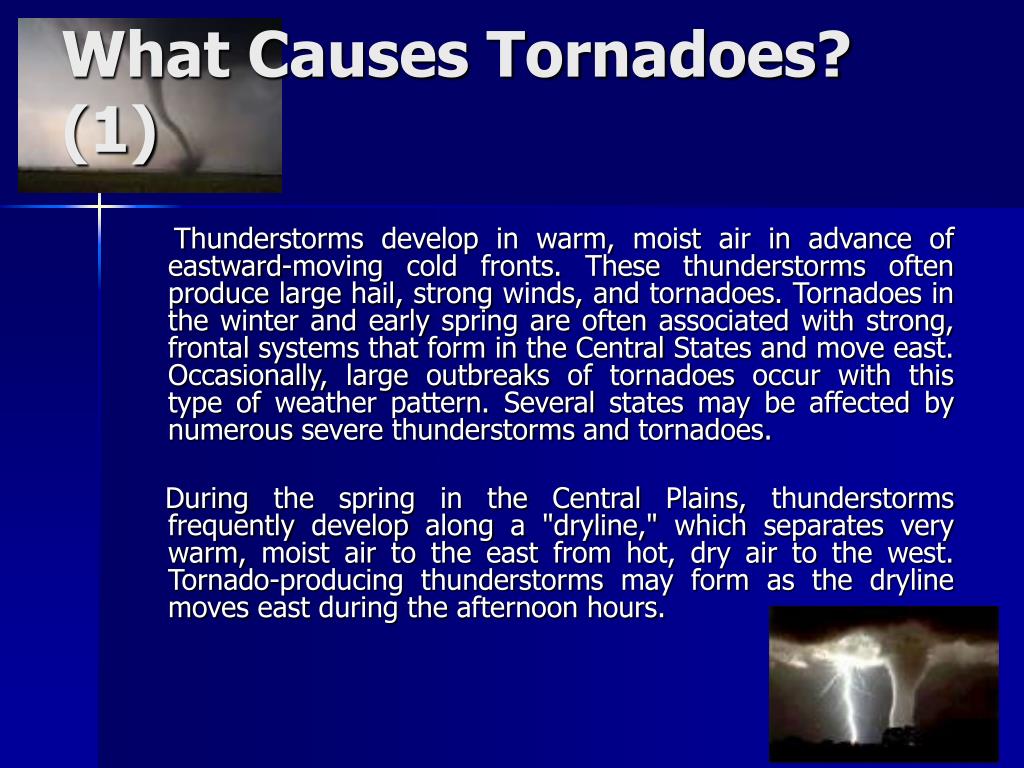
Our story often begins with a clash of titans. We're talking about two very different air masses having an epic showdown. Imagine a steamy, tropical pool party meeting a grumpy, polar expedition. That’s pretty much it!
Must Read
First up, we need some warm, moist air. This lovely, humid breath usually sashays up from the Gulf of Mexico. Think of it as the atmosphere's giant humidifier, bringing all the water vapor to the party. It’s light, it’s bouncy, and it loves to rise.
Then, crashing in from the north, often from Canada or the Rocky Mountains, comes the cool, dry air. This air is dense and heavy. It's like the party pooper that always shows up with a frown, trying to push everyone down. When these two wildly different personalities meet, things get interesting.
The Secret Sauce: Wind Shear!
Now, here’s where the magic, or should I say, the mayhem, truly begins. We need something called wind shear. Don't let the fancy term scare you! It just means winds blowing at different speeds and, crucially, in different directions at various altitudes.

Imagine this: You have winds near the ground blowing north, but just a few thousand feet up, they're heading east! It's like trying to make two conveyor belts move at different angles right next to each other. This creates a spectacular, invisible rolling pin effect in the atmosphere. This rolling motion forms a horizontal tube of spinning air. Picture a giant, invisible log rolling across the sky. Fun, right?
"Up Up and Away!" – The Uplift
So, we have this horizontal tube of spinning air. But a tornado stands up, not rolls along the ground like a tumbleweed. How does that happen? Enter the updraft!
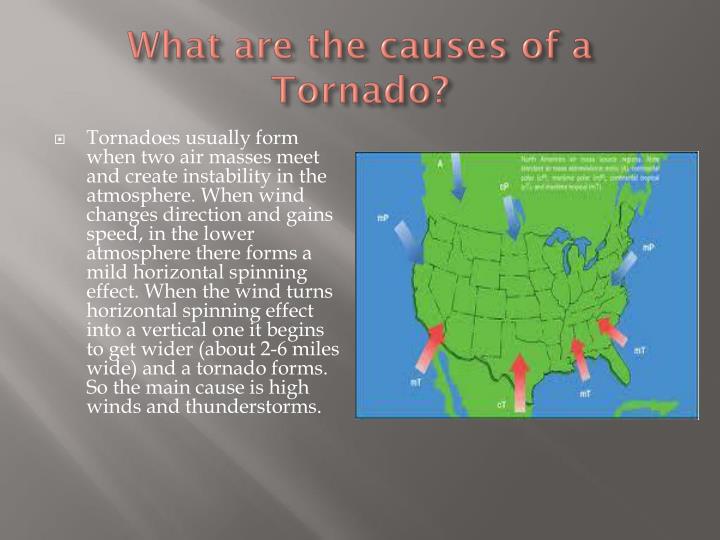
When that warm, moist air from the Gulf is really, really excited and rises rapidly, it can literally grab that horizontal spinning tube and tilt it vertically. It's like a cosmic hand reaching down and yanking that log upright! Suddenly, your sideways spin becomes a towering, terrifying, vertical rotation. Boom! The beginnings of a tornado are now dancing in the sky.
This powerful updraft is often fueled by really intense thunderstorms. Not just any storm, mind you, but often a special kind...
Meet the Supercells: The Tornado Factories
Most of the big, bad, memorable tornadoes come from a specific type of thunderstorm known as a supercell. These aren't your grandma's gentle afternoon showers; these are storms on a whole other level!
A supercell is essentially a thunderstorm that already has a rotating updraft within it, called a mesocyclone. It’s like a storm that's already doing a ballet spin before it even considers throwing a funnel cloud. Think of it as a pre-game warm-up for a tornado. They're incredibly organized, powerful, and efficient at creating the conditions needed for those epic twisters.
Quirky Fact: A supercell can sometimes last for hours, tracking across hundreds of miles, spitting out multiple tornadoes along its path. Talk about an overachiever!
Why "Tornado Alley" is a Thing
Ever wondered why places like Oklahoma, Kansas, and Texas seem to get all the tornado glory? It's not because they're secretly building tornado generators in their backyards. It’s because these areas are the perfect atmospheric meeting point.
This region, affectionately known as "Tornado Alley," is where that warm, moist air from the Gulf frequently collides with cool, dry air from the Rockies and Canada. It's the ultimate cosmic intersection for tornado ingredients. The geography just sets the stage for these dramatic atmospheric performances.
Fun Facts & Funtastic Details!
- The Sound: People often describe the sound of an approaching tornado as a "freight train." Imagine a train, but it's barreling through the sky right above your head! Talk about an express delivery!
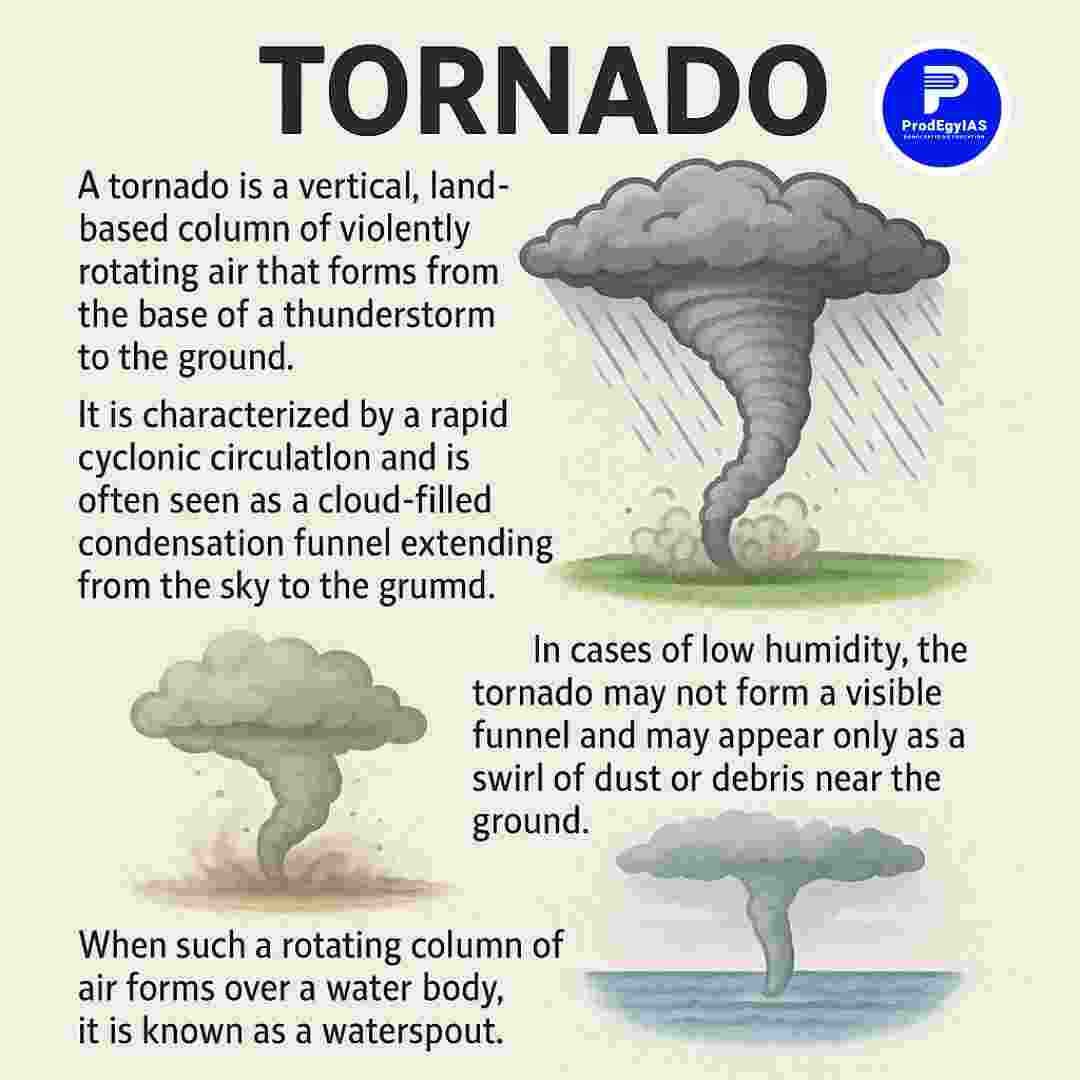
- Invisible First: Funnel clouds are only visible when they pick up dust and debris, or when the condensation inside them makes them opaque. Often, the rotating air is already there, doing its thing, before you can even see it! Spooky, right?
- Multi-Vortex Mayhem: Sometimes, a single large tornado can contain several smaller, intense vortices spinning within it. It’s like a giant spinning top with even tinier spinning tops inside. Nature really loves to show off!
- Speed Demons: While tornadoes can travel at ground speeds of 30-70 mph, the winds inside them can reach over 200-300 mph! That's faster than most race cars. Hold onto your hats!
Why It's Just Plain Fun to Talk About
Talking about tornadoes isn't just about understanding scary weather. It's about marveling at the incredible, raw power of our planet. It’s a spectacular dance of physics, energy, and atmospheric pressure that, despite its potential for destruction, is undeniably awe-inspiring.
Learning how these incredible phenomena come to be helps us appreciate the complexity of Earth's systems. It’s like solving a giant, dynamic puzzle with the sky as its canvas. It sparks curiosity, makes us look up a little more often (safely, of course!), and reminds us that Mother Nature is the ultimate showstopper.
So, the next time you hear about a tornado, you’ll know it’s not just random chaos. It's a spectacular, albeit intense, aerial ballet involving warm, moist air, cool, dry air, wind shear, and a powerful updraft. It’s a supercell’s special recipe for a spectacular (and sometimes terrifying) spin! Pretty cool, huh?