
What Is A Cause Of A Hurricane
The Grand Dance of Nature: What Causes a Hurricane?
Ever wondered what stirs up one of Mother Nature's most spectacular and powerful shows? We're talking about hurricanes, those magnificent swirling giants of wind and rain. They seem like a mystery, but really, they're just following a very specific, albeit grand, recipe.
Think of a hurricane not as an angry monster, but more like a giant, atmospheric ballet dancer. It needs the perfect stage, the right music, and a lot of energy to perform its incredible spin. Let's peek behind the curtain and discover the surprising ingredients.
The Ocean's Warm Embrace: Fuel for the Fire
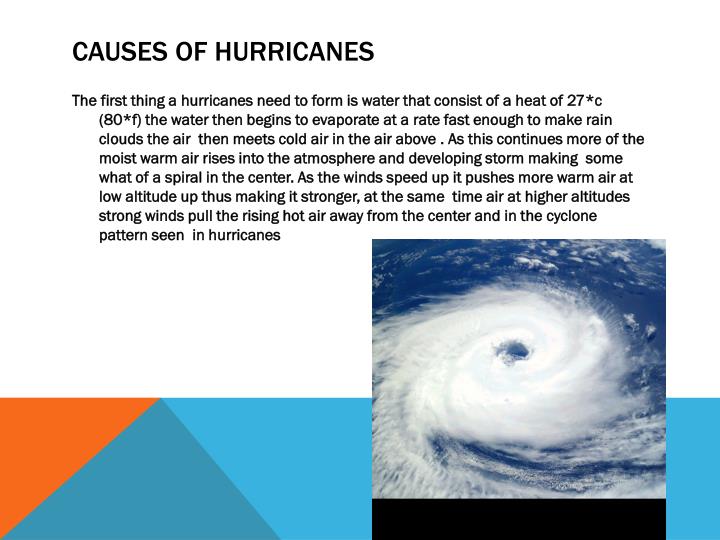
Our first and arguably most crucial ingredient is simply a huge amount of warm ocean water. We're talking bathwater warm, usually above 80 degrees Fahrenheit (26.5 degrees Celsius). It needs to be warm not just on the surface, but deep down too.
Must Read
Imagine a giant, cosmic bathtub, absolutely overflowing with toasty water. A hurricane absolutely loves this. It's its comfort food, its energy drink, its entire reason for being.
This warm water acts like a supercharger. It's the ultimate fuel, patiently waiting to be converted into the storm's incredible power. Without it, a hurricane simply can't get going or sustain itself.
It’s almost heartwarming, in a way, to think of the vast oceans gently warming under the sun, creating the very cradle for these mighty storms. The sun’s energy, a giver of life, also powers these majestic weather events.
The deeper the warm water, the better! This is because the storm constantly churns up the ocean. If the warm layer is thin, it quickly brings up cooler water from below, which can weaken or even kill the storm.
"A hurricane needs its cozy, warm blanket of water to truly thrive and grow into its full, magnificent form."
The Humid Huddle: Steamy Breaths of Life
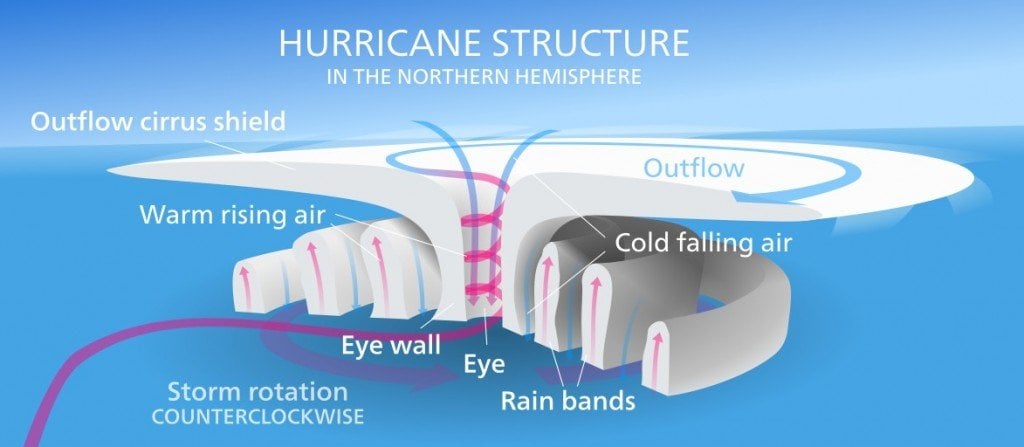
Next up on our ingredient list is moist air. Lots and lots of it! As the warm ocean water evaporates, it creates a huge amount of water vapor, rising into the atmosphere. This is the hurricane's very own steam room.

Think of the storm taking a deep, satisfied breath of humid, tropical air. Each breath releases latent heat, which is like giving the storm a powerful burst of energy. It's this continuous process that builds those towering thunderstorms within the hurricane.
The rising moist air creates a feedback loop: more evaporation, more moist air rising, more heat released, making the storm grow stronger. It's a self-perpetuating cycle, a humid dance of rising energy.
This constant upward movement of moist air is what forms those impressive bands of clouds and rain. They spiral inwards, drawn by the low pressure at the storm's center, like water going down a drain.
The Gentle Nudge: A Spark in the Atmosphere
Even with warm water and moist air, you need something to get the party started. This is where a pre-existing low-pressure disturbance comes in. It's like the initial whisper that sparks a roaring conversation.
Often, these disturbances are waves that travel all the way from Africa, across the Atlantic Ocean! Imagine a tiny ripple in the air, carrying dust from the Sahara, embarking on an epic journey.

This tiny atmospheric ripple helps the air begin to rise and cool, condensing moisture and forming clouds. It's the initial trigger that sets the stage for the larger ballet to begin.
Sometimes these disturbances are just clusters of thunderstorms that decide to get organized. They start to huddle together, forming a more coherent system that begins to spin.
"From a speck of African dust to a colossal storm, the journey of a hurricane's beginning is truly a global adventure."
The Calm Above: No Cosmic Bullies Allowed!
Now, for a slightly more surprising ingredient: a lack of strong wind shear. Wind shear is when winds at different altitudes blow in different directions or at very different speeds.
Think of our hurricane as a graceful ballerina trying to perform a perfect pirouette. If someone keeps pushing her from different directions, she'll get wobbly and fall apart.
A developing hurricane needs relatively calm winds above it. This allows its towering structure to rise vertically without being tilted, torn apart, or having its 'head' ripped off its 'body'.
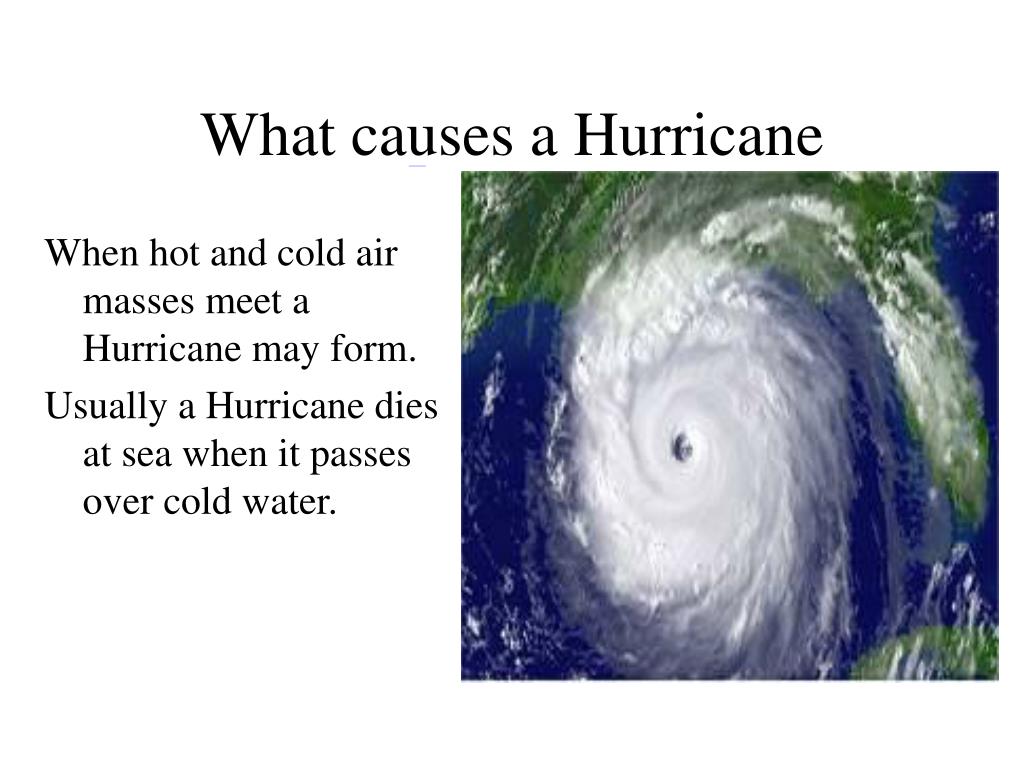
If the wind shear is too strong, it essentially decapitates the storm, preventing it from organizing into that classic, powerful swirling shape. It prefers its personal space to spin freely.
The Earth's Gentle Twirl: The Coriolis Effect
Here's where things get truly cosmic! The Earth itself helps create the hurricane's iconic spin. This is thanks to something called the Coriolis effect. It's not a direct force, but an apparent one caused by our planet's rotation.
Imagine you're on a merry-go-round and try to roll a ball straight across. It won't go straight; it'll curve. The Earth does the same thing to moving air, deflecting it.
In the Northern Hemisphere, this effect makes circulating air curve to the right, causing hurricanes to spin counter-clockwise. In the Southern Hemisphere, they spin clockwise!
It’s the invisible hand of the Earth, giving the storm a gentle, continuous nudge, making sure it spins with magnificent grace. Without this planetary influence, there would be no swirling eye, just a messy updraft.
A Little Elbow Room: Why Not at the Equator?
Curiously, hurricanes almost never form right on the equator. Why? Because the Coriolis effect is weakest there, almost non-existent.
The equator is just too "chill" for a hurricane to get its spin on! It needs a little distance, about 5 degrees latitude north or south, to really feel the Earth's twirl and start organizing its rotation.
So, while the equator offers plenty of warm water and moist air, it lacks that crucial planetary spin necessary for a hurricane to develop its signature spiral. It needs some elbow room to groove.
The Grand Symphony of Nature
So, a hurricane isn't just a random act of nature. It's a complex, beautiful symphony of interconnected elements: warm ocean waters, humid air, a gentle nudge to start, calm skies above, and the Earth's own majestic spin.
Each ingredient plays a vital role, choreographing a dance that is both destructive and awe-inspiring. It’s a powerful reminder of how interconnected our planet's systems truly are.
The next time you hear about a hurricane, remember its fascinating journey. From a distant ripple to a colossal spiral, it's a testament to the incredible, surprising, and sometimes heartwarming power of our natural world.