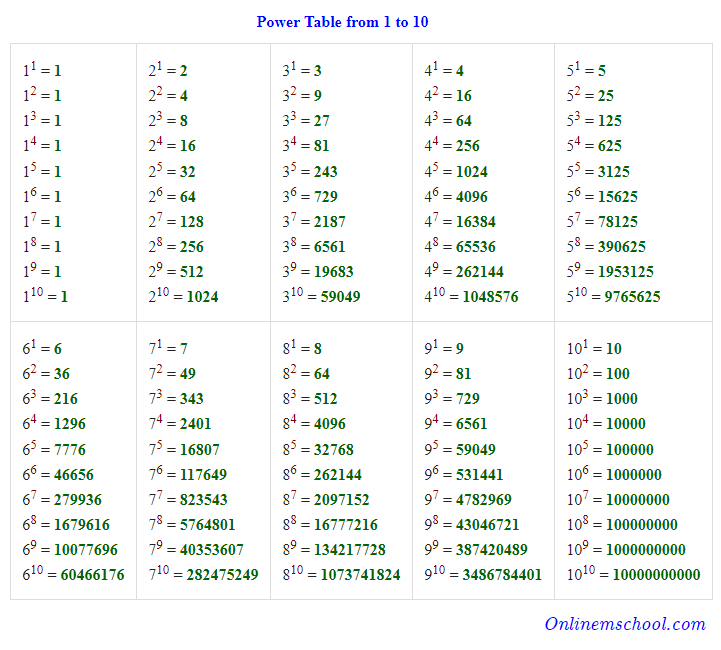
What Is 5 To The First Power
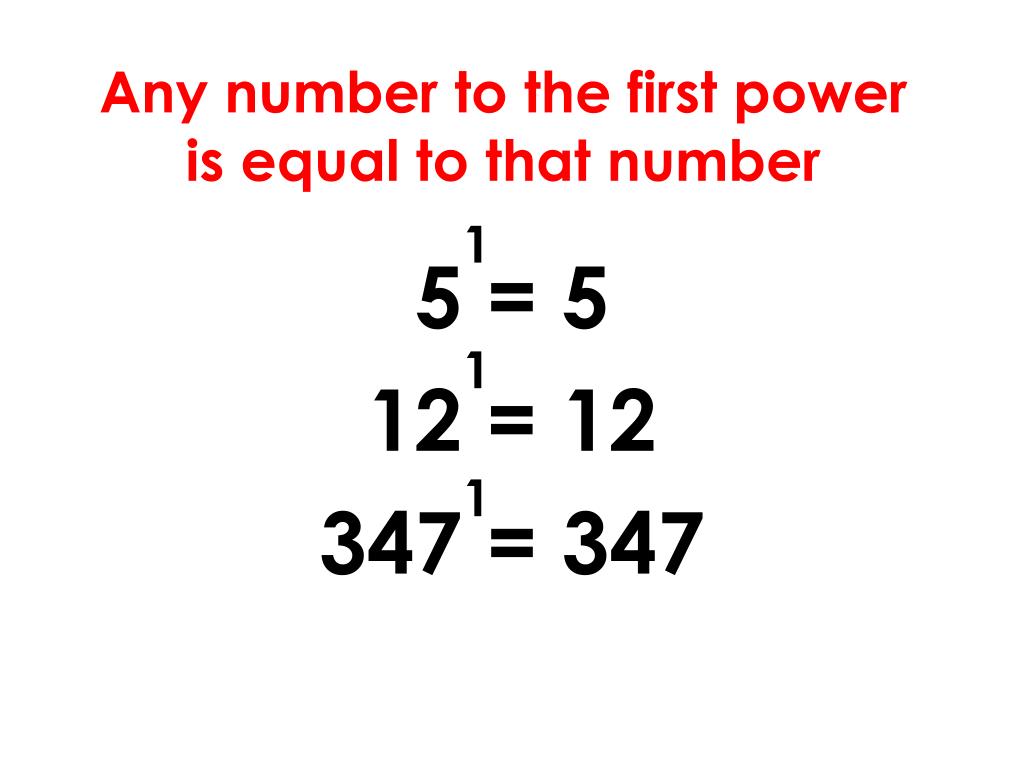
Ever found yourself staring at a math problem and seeing something like "5 to the first power" and feeling a tiny bit intimidated? Or maybe you're just curious about what that even means in everyday language? Well, you're in for a treat because this particular piece of math is not only incredibly simple, but also surprisingly fun and useful once you get the hang of it. It's like finding a secret shortcut that makes other math concepts much easier to understand! Think of it as the ultimate foundational step in understanding exponents, and we promise, it’s not scary at all.
So, what's the big deal about "5 to the first power" and who benefits from understanding it? Absolutely everyone! For beginners, it's a fantastic, unintimidating introduction to the world of powers and exponents. It builds confidence by showing that even seemingly complex math terms can have very straightforward answers. It’s like learning your ABCs before writing a novel; an essential, yet easy, first step.
For families, especially those with school-aged children, understanding this concept can turn homework time into a moment of shared discovery rather than frustration. You can help your kids grasp this fundamental idea, making future math topics, like squaring numbers or cube roots, much less daunting. It's about building a solid mathematical foundation together, reinforcing that math can be logical and even a little bit fun.
Must Read
Even for hobbyists or those dabbling in areas like basic coding, finance, or DIY projects, grasping this fundamental concept is crucial. While "to the first power" might seem trivial, it's the bedrock for understanding how variables behave, how simple interest works, or even how measurements scale. It reinforces the simple truth that sometimes, things are exactly what they appear to be, setting the stage for more complex calculations later on.
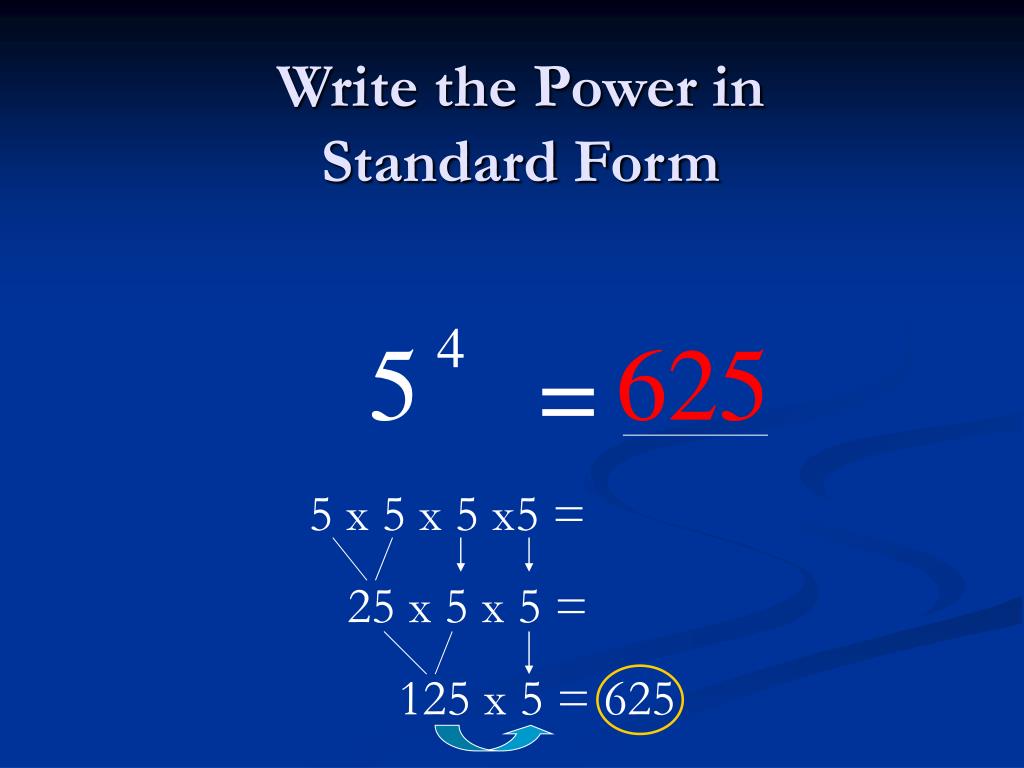
Let's get to the nitty-gritty with some examples. When we talk about "5 to the first power," what we're essentially saying is: "Take the number 5 and multiply it by itself exactly one time." And what's 5 multiplied by itself one time? You got it – it's just 5! It's almost a trick question because it's so straightforward. The exponent "1" simply tells you to use the base number as is.
This principle applies to any number. For instance, "3 to the first power" is simply 3. "100 to the first power" is 100. If you saw a variable like "x to the first power," it would just be x. It's a universal rule! You can even contrast it briefly: "5 to the second power" (or 5 squared) would be 5 x 5 = 25, showing how the "first power" is uniquely simple.
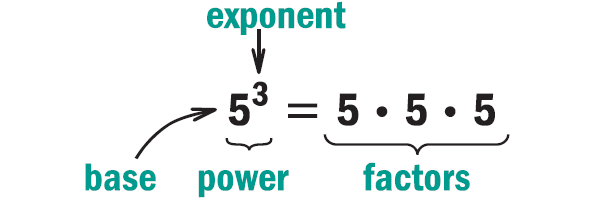
Ready to get started? Here are some simple, practical tips: Don't overthink it! The beauty of "to the first power" is its simplicity. Whenever you see a number or variable raised to the power of 1, just remember: "The number stays the same!" Practice with different numbers: pick any number, say 7, and ask yourself, "What's 7 to the first power?" The answer is always the number itself. Use this as a confidence booster. If you can understand this, you're well on your way to conquering more complex exponents.
So, the next time you encounter "to the first power," you won't just know the answer instantly, but you'll also appreciate the foundational role it plays in understanding mathematics. It's a small step that opens up a whole world of numerical possibilities, proving that sometimes, the simplest things are the most valuable. Enjoy the clarity and confidence that comes with mastering this easy-peasy math concept!