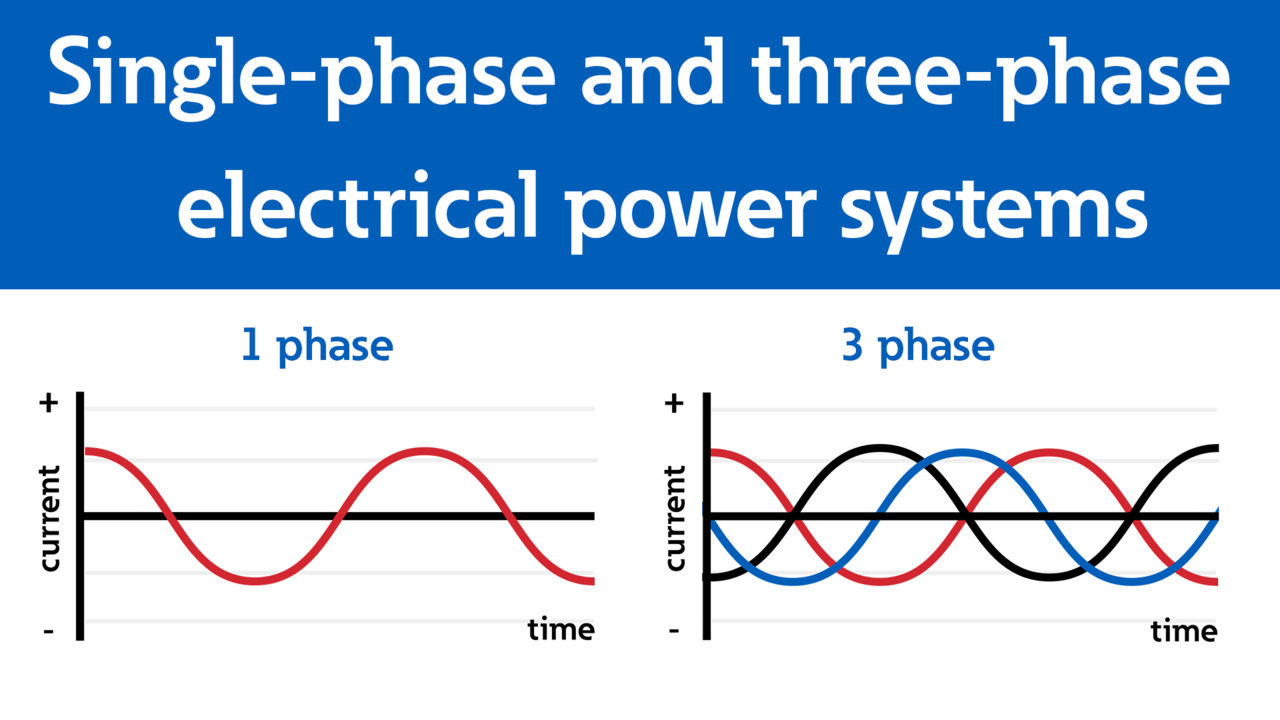
What Is 3 Phase And Single Phase
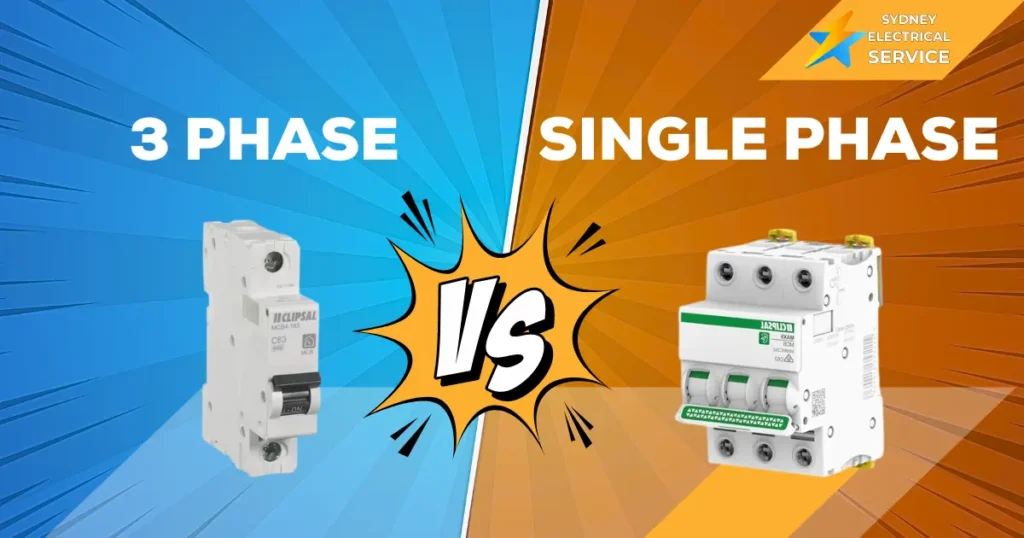
Imagine electricity as the invisible superhero powering our entire world, from your morning coffee to the internet's boundless realms. But like any good superhero, electricity has a few different "suits" or "modes" it operates in. Today, we're going to peek behind the curtain at two of its most fundamental forms: Single Phase and Three Phase power. Far from being a dry technicality, understanding these concepts is like learning the secret language of modern life, revealing the clever engineering that keeps everything humming smoothly. It’s not just for electricians; it’s a fascinating insight that empowers anyone curious about how things work!
So, why should a casual learner, a budding hobbyist, or even a creative artist care about the difference between these power types? Well, for starters, it demystifies the very heartbeat of your gadgets. For the home hobbyist, knowing whether your new power tool requires single or three-phase can save you headaches and ensure optimal performance. For the tech-savvy artist, understanding these power dynamics might inspire projects, help you select the right equipment for a studio (say, a powerful kiln or a heavy-duty laser cutter), or simply deepen your appreciation for the infrastructure supporting your creative tools. It transforms you from a passive user into an informed participant in the electric dance, allowing you to make smarter choices about everything from appliance purchases to home renovations.
Let's talk about where you'll typically encounter these electrical personalities. Single-phase power is the ultimate domestic hero. It’s what powers nearly every outlet in your home, delivering the energy for your toaster, TV, laptop, and lights. Think of it as a single, steady drumbeat – perfectly adequate for most everyday needs, simple and reliable. It’s the standard, go-to power source for anything you plug into a wall. On the other hand, three-phase power is the industrial powerhouse, the smooth operator for heavy-duty tasks. You’ll find it in factories, large commercial buildings, data centers, and powering substantial machinery like large motors, elevators, or powerful EV charging stations. Instead of one drumbeat, imagine three drumbeats perfectly staggered, creating a continuous, incredibly smooth, and efficient flow of power. This "three-beat" rhythm allows motors to start more easily and run more efficiently, handling much larger loads without breaking a sweat.
Must Read
While we certainly don't recommend "trying" to re-wire anything yourself (always leave electrical work to the pros!), you can absolutely "try" to observe and appreciate these power types from a safe distance. For single-phase, simply look around your home! Every appliance plugged into a standard wall socket is using single-phase power. Appreciate its simplicity and ubiquity. To visualize three-phase, step outside and look at the overhead power lines leading to industrial areas or along major roads – often, you'll see three thicker wires running together; that's often your three-phase transmission in action! You can also explore online resources: search for "single-phase vs. three-phase animation" on YouTube to see mesmerizing visualizations of their electrical waveforms. It's a fantastic way to grasp the concept of those "three staggered drumbeats" in action.
Ultimately, diving into the world of single and three-phase power isn't about becoming an electrical engineer overnight. It's about unlocking a deeper understanding of the world around you, appreciating the ingenious systems that power our modern lives. It's the joy of seeing the invisible, understanding the mechanics behind the magic, and perhaps even feeling a little more empowered to troubleshoot a problem or choose the right tool for a project. So, next time you flip a light switch or marvel at a massive machine, take a moment to ponder the electrical symphony playing silently behind the scenes. It’s a fascinating, empowering, and utterly enjoyable journey into the heart of what keeps us connected and productive!