What Is 18 10 Stainless Steel

Ever found yourself looking at a shiny new saucepan or a sleek set of forks and noticing some curious numbers stamped on them – perhaps "18/10"? It might seem like just a technical detail, but understanding what 18/10 stainless steel means is actually a pretty cool superpower for your kitchen! It’s not just about fancy metallurgy; it’s about making smart choices for items you use every single day, impacting everything from your cooking quality to how long your favorite spoon lasts. Think of it as decoding a secret language that helps you get more value, more durability, and even a little more joy out of your kitchen essentials.
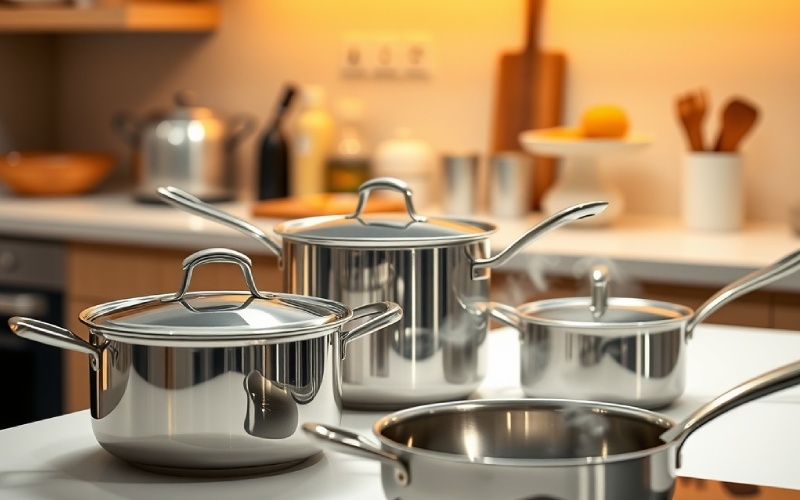
So, what’s the big deal with 18/10? For beginners, knowing these numbers means you can confidently pick out kitchenware that resists rust and stains, making cleanup a breeze and ensuring your items stay looking new for longer. For families, this translates to incredibly durable pots, pans, and cutlery that can withstand the rigors of daily use – countless meals, dishwashing cycles, and maybe even a few accidental drops. It means fewer replacements, which is great for the budget, and more importantly, it's a non-reactive surface, keeping your family's food safe and untainted. And for the enthusiastic home cooks or hobbyists, 18/10 stainless steel is a dream come true because of its superb corrosion resistance, which is vital when cooking acidic ingredients like tomato sauces or citrus glazes. It ensures your food tastes exactly as it should, without any metallic aftertaste, and offers a beautiful, polished finish that makes any kitchen feel a little more professional.
Let's demystify those numbers: "18/10" refers to the composition of the stainless steel. The "18" means it contains 18% chromium, and the "10" means it has 10% nickel. Why are these metals so important? Chromium is the superhero that gives stainless steel its amazing ability to resist rust and corrosion – it’s what makes it "stainless"! The nickel, on the other hand, adds extra corrosion resistance, gives the steel a beautiful, lustrous shine, and contributes to its overall strength and durability. While you might also see "18/8" or "18/0" stainless steel (which has less or no nickel, respectively), 18/10 is considered the highest quality for kitchen applications because of its superior resistance to corrosion and its brilliant, lasting polish. You'll find it in high-end pots and pans, the best cutlery sets, and even durable kitchen sinks and serving dishes.
Must Read
Ready to put this knowledge into practice? It's simple! When shopping for new kitchen items, make it a habit to look for the "18/10" stamp. It’s often found on the underside of cookware, the back of cutlery handles, or on product packaging. While 18/10 items might sometimes come with a slightly higher price tag than their 18/8 or 18/0 counterparts, consider it an investment in quality and longevity. For care, 18/10 stainless steel is remarkably easy to maintain – most pieces are dishwasher safe, but a quick hand wash with warm soapy water will keep them sparkling. Avoid harsh abrasive cleaners to preserve that beautiful finish, and for any stubborn spots, a little baking soda paste works wonders. Don't let acidic foods sit on your cookware for extended periods, and always dry your items promptly to prevent water spots.
In a nutshell, understanding 18/10 stainless steel is about making informed decisions for a better home life. It’s about choosing items that are not just functional but also durable, beautiful, and a joy to use every day. So next time you reach for that shiny pan or pick up a new set of forks, you’ll know you’re not just holding metal; you’re holding a piece of engineering designed for enduring quality and endless kitchen enjoyment!