
What Impact Do Fossil Fuels Have On The Environment
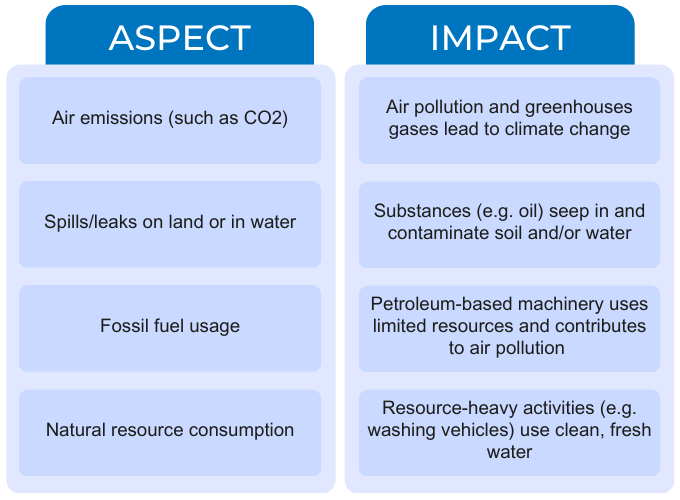
Ever filled up your car and thought, "Where does all this stuff really come from?" Well, buckle up, buttercup, because we're about to take a whimsical, yet important, trip into the world of fossil fuels and their impact on our planet.
Think of fossil fuels as ancient leftovers. We're talking seriously old – like, millions of years old! These fuels – coal, oil, and natural gas – are formed from the buried remains of prehistoric plants and animals. Imagine a giant veggie burger that took eons to cook!
The Good (Sort Of…)
Okay, let's be honest, fossil fuels did kickstart the Industrial Revolution. They powered factories, lit our homes, and got us from point A to point B way faster than a horse-drawn carriage. They brought us the ability to binge-watch cat videos in high definition. I mean, progress, right?
Must Read
They're also relatively easy (and cheap, historically) to extract and use, which is why they became so popular. For a while, it was like finding a giant, buried treasure chest of energy! "Score!" we collectively shouted.
Fossil fuels have also played a vital role in creating jobs and building modern economies. The industry has supported countless families and communities, proving to be the backbone of many societies for decades.
The Not-So-Good (Ahem, The Bad)
Here's where the story takes a bit of a turn. Remember that "giant veggie burger" analogy? Well, what if cooking that burger filled your entire kitchen with smoke and made your eyes water? That's kinda what burning fossil fuels does to our planet.
When we burn coal, oil, and natural gas, they release greenhouse gases into the atmosphere. Think of these gases like a giant blanket wrapped around the Earth. It traps heat and makes the planet warmer. This is what we call global warming, and it's not exactly a heartwarming bedtime story.
The Heat is On! (Literally)
What happens when the Earth gets warmer? Well, glaciers melt, sea levels rise, and extreme weather events become more frequent and intense. Imagine your favorite beach disappearing because the ocean decided it needed more room.
We're talking about stronger hurricanes, more severe droughts, and devastating floods. Mother Nature is basically throwing a tantrum, and honestly, can you blame her?
The rising ocean temperatures also have a significant impact on marine life, harming coral reefs and disrupting ocean ecosystems. It's like throwing a wild party in your fish tank – not cool, dude.
Air Pollution: A Breath of Fresh... Wait, No
Burning fossil fuels also releases pollutants into the air, causing smog and respiratory problems. Remember that feeling of taking a deep, clean breath of fresh air? Well, in some places, that's becoming a distant memory.
These pollutants can worsen asthma, cause heart problems, and even lead to premature death. It's like trading convenience for a shorter lifespan. Yikes!
Children, the elderly, and people with pre-existing respiratory conditions are especially vulnerable to the effects of air pollution from fossil fuels. It is a serious public health issue.
Digging Up Trouble
Even before we burn them, extracting fossil fuels can cause environmental damage. Mining for coal can destroy landscapes and pollute waterways. Oil spills can devastate marine ecosystems and coastlines. Think of it as a messy kitchen even before you start cooking that veggie burger.
Fracking, a method of extracting natural gas, can contaminate groundwater and cause earthquakes. It's like shaking up a soda bottle and hoping nothing explodes. Spoiler alert: sometimes it does.
Pipelines transporting oil and gas can disrupt habitats and pose a risk of leaks and explosions. Building and maintaining this infrastructure has a big environmental footprint.
A Glimmer of Hope (Hold On To Your Hats!)
Okay, so the picture isn't exactly rosy. But don't despair! There's a growing movement towards cleaner, renewable energy sources like solar, wind, and hydro power. Think of it as switching from that smoky veggie burger to a delicious, sustainably-sourced salad.
These sources of energy don't release greenhouse gases or air pollutants when they're used. They're also becoming more affordable and efficient. It's like finding a cheat code to saving the planet!
Many countries and regions are investing heavily in renewable energy technologies and infrastructure. The global shift to renewable energy is gaining momentum and hope for a cleaner future!
Little Changes, Big Impact
What can you do? Plenty! Even small changes in your daily life can make a difference. Consider using public transport, biking, or walking instead of driving. Switch to energy-efficient appliances and light bulbs. Reduce your meat consumption. Every little bit helps!
You can also support companies and organizations that are working towards a more sustainable future. Vote with your wallet and your voice! Tell your elected officials that you care about the environment.
Educating yourself and others about the impacts of fossil fuels and the benefits of renewable energy is also crucial. Spread the word and be an advocate for change!
The Power of Innovation
Scientists and engineers are constantly developing new technologies to reduce our reliance on fossil fuels. From carbon capture to advanced battery storage, there's a lot of exciting innovation happening in the clean energy sector. It's like the Avengers, but for the environment!
These technologies hold the promise of a future where we can power our lives without harming the planet. Investing in research and development is essential to accelerate the transition to a clean energy economy.

Sustainable transportation options like electric vehicles are becoming more accessible and affordable. As the technology improves and infrastructure expands, the transition will accelerate, and contribute to reducing emissions.
The Big Picture
The impact of fossil fuels on the environment is undeniable. But it's not a hopeless situation. By embracing renewable energy, making conscious choices, and supporting innovation, we can create a cleaner, healthier planet for ourselves and future generations.
Think of it as a group project. We all have a role to play in creating a sustainable future. And remember, even the smallest actions can add up to make a big difference.
So, the next time you fill up your car (or better yet, hop on your bike), remember the journey we've taken together. And let's all strive to be a little bit greener, one veggie burger (or salad) at a time. The planet will thank you for it!
Let’s not forget the importance of international cooperation. Climate change is a global problem that requires global solutions. Countries need to work together to reduce emissions and promote sustainable development. Collective action is essential to address the crisis!
We have the power to change the narrative from environmental damage to environmental restoration. From unsustainable practices to sustainable solutions. From despair to hope. The future is in our hands! Let’s choose to be part of the solution.