
What Hurricane Was A Category 5

Ever found yourself scrolling through news about hurricanes and seen those numbered categories? We hear "Category 1," "Category 3," but have you ever wondered about the absolute peak of hurricane power? We're talking about the big kahuna, the five-star general of storms: a Category 5 hurricane.
It’s like nature decided to turn the dial all the way up to "eleven" and then snapped the knob off. These aren't just strong storms; they're legendary forces, etched into our collective memory for their sheer, raw power. So, what puts a storm in this exclusive, terrifying club?
What Makes a Hurricane a Category 5?
Think of it like a heavyweight boxing match for Mother Nature. The Saffir-Simpson Hurricane Wind Scale sorts these oceanic behemoths based on their sustained wind speeds. A Category 1 hurricane is serious business, but a Category 5? Oh, that’s an entirely different beast.
Must Read
We’re talking about sustained winds of 157 miles per hour (252 km/h) or higher. Just try to picture that for a second. That's faster than a cheetah, faster than most high-speed trains, and powerful enough to feel like a jet engine screaming through your living room. Actually, it's more like a bullet train decided to pick up houses and casually toss them around.
These aren't just gusty days; these are "your roof might be in the next county" kind of winds. It’s the point where things go from "serious" to "utterly mind-boggling" devastation, capable of causing catastrophic damage to infrastructure and landscapes alike.
How Common Are These Monsters?
Good question! And thankfully, the answer is: not very common at all. Category 5 hurricanes are actually pretty rare. Many storms might get close to or even briefly touch Cat 5 status over open water, but for one to maintain that intensity and actually make landfall at that strength? That's like winning the meteorological lottery... the really, really scary one.
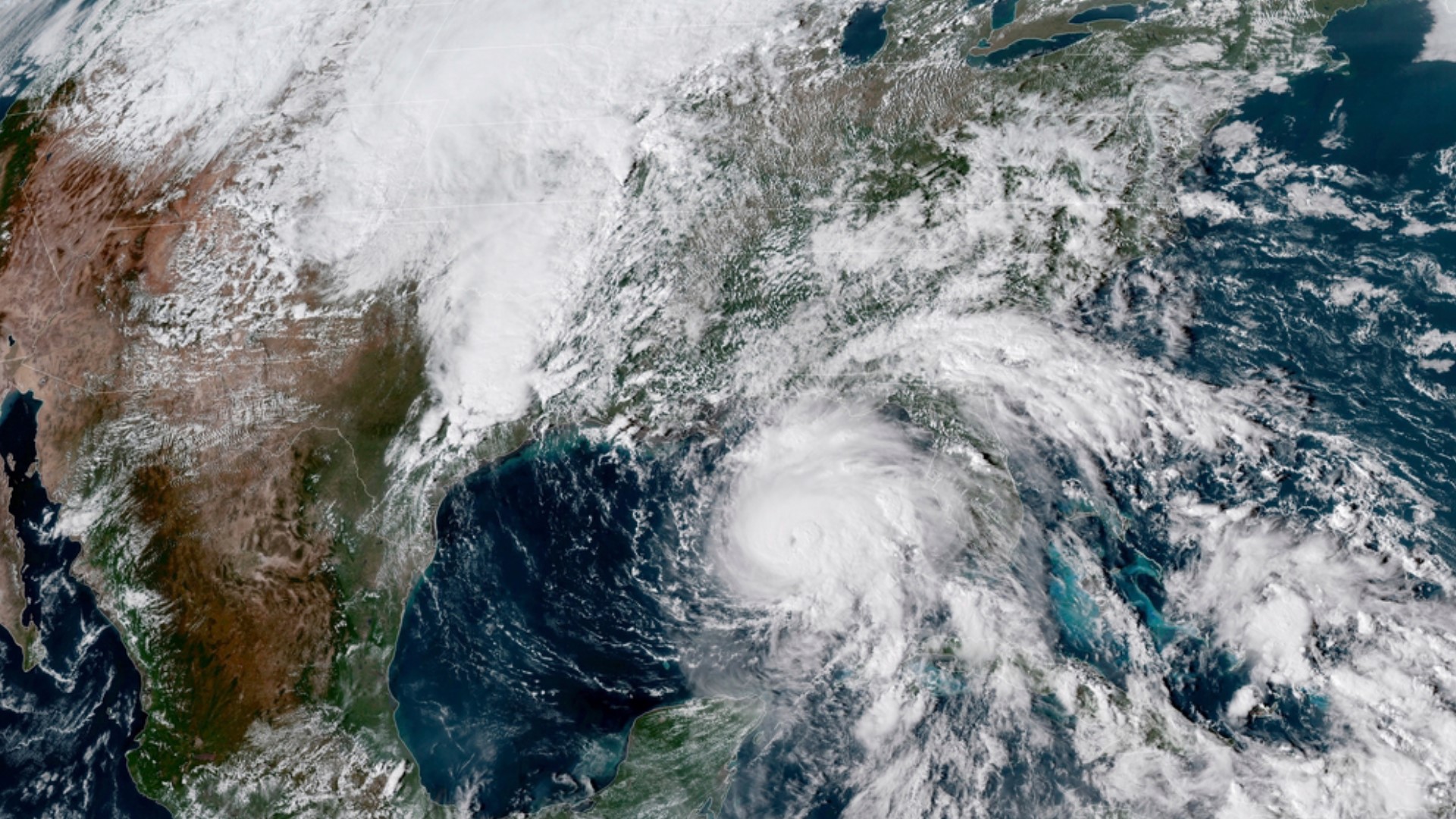
They need absolutely perfect conditions to reach and sustain such extreme power. We’re talking about super warm ocean waters, very specific atmospheric setups, and low wind shear that doesn't tear the storm apart. It's a delicate, deadly recipe that doesn't come together often.
Some Legendary Category 5 Hurricanes
Let's dive into some of the storms that actually hit this incredible benchmark, whether at their peak intensity or, in truly rare cases, right at landfall. These aren't just names; they're chapters in the story of Earth's raw, untamed might.
One that often pops up in conversations about raw power is Hurricane Wilma from 2005. This storm was an absolute beast! Wilma intensified so rapidly it was almost unbelievable, going from a tropical storm to a Category 5 in less than 24 hours. Its pressure dropped to an astonishing 882 millibars – that's the lowest ever recorded in an Atlantic hurricane! Imagine that kind of atmospheric vacuum!

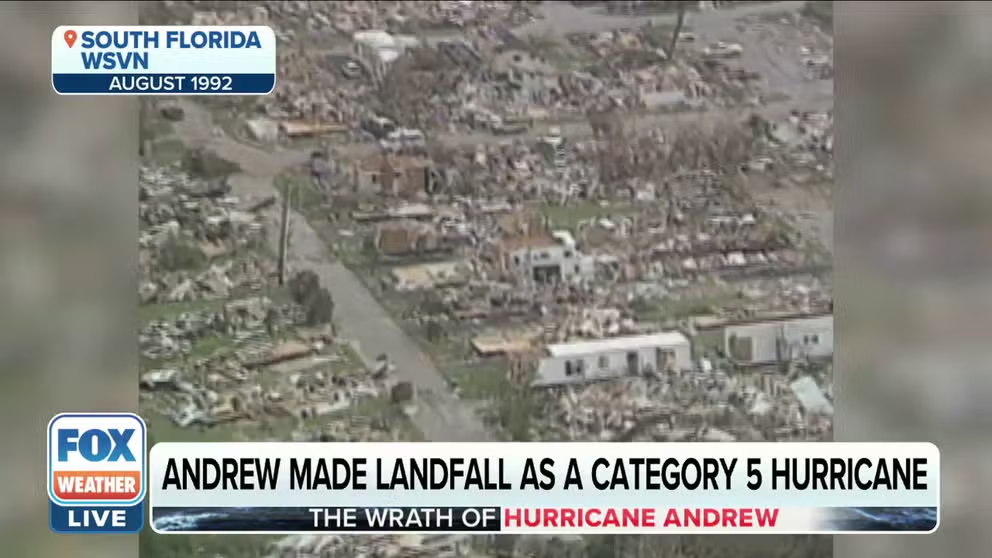
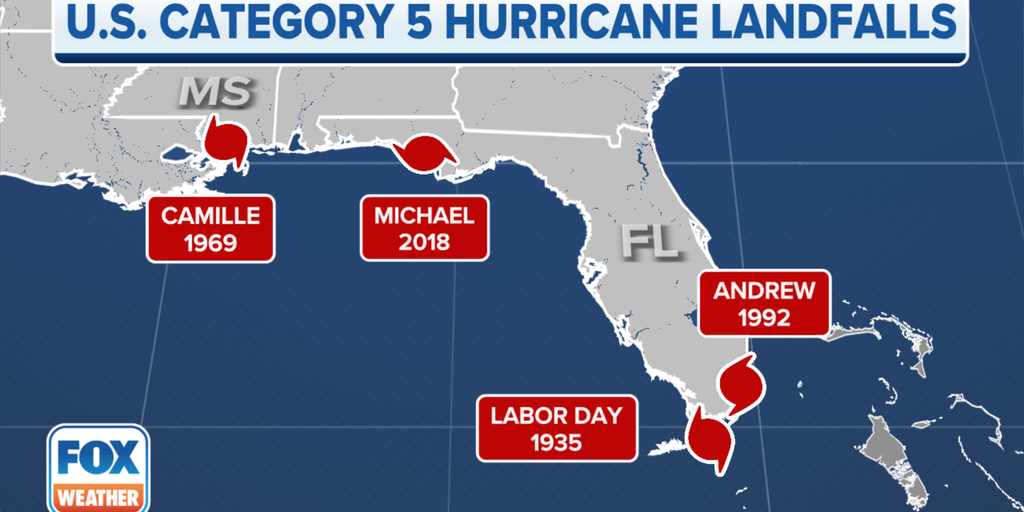
Another truly memorable one was Hurricane Andrew in 1992. This compact but incredibly powerful storm basically rewrote the rules for building codes in South Florida. It was a terrifying example of a storm that didn't look huge on satellite but just shredded everything in its path with its intense winds. Its impact was so profound, it still serves as a benchmark for disaster preparedness.
And who could forget Hurricane Irma in 2017? Irma was a Category 5 for an insane 3.25 consecutive days, the longest such duration in the satellite era. Imagine that kind of sustained, incredible power just churning away, day after day, impacting multiple islands and coastal areas. It was a truly relentless force of nature.
Then there's Hurricane Dorian in 2019. This one wasn't just powerful; it was stubborn. It parked itself over the Bahamas for what felt like an eternity, delivering catastrophic damage as a prolonged Category 5. The images of its devastation, particularly from the Abaco Islands and Grand Bahama, were heartbreaking and showed the sheer destructive potential of a stalled, super-intense storm.
More recently, Hurricane Michael in 2018 surprised many by rapidly intensifying right up to landfall as a Category 5 in the Florida Panhandle. It was a stark and terrifying reminder of just how quickly these monsters can escalate, leaving little time for preparation in their final hours before impact.
What Gives Them Their Superpowers?
So, what fuels these incredibly destructive systems? Think of a Cat 5 as a super-hungry engine, and its primary fuel is warm ocean water. Really, really warm water, typically above 80°F (26.5°C), extending deep below the surface. This provides the massive energy needed for the storm's engine to roar.
They also need very specific atmospheric conditions – things like low wind shear. This means there are no conflicting winds trying to tear the storm apart from the inside, allowing it to build vertically into a towering, efficient heat engine. It’s like a delicate recipe for destruction; all the ingredients have to be just right for these mega-storms to bake.
The Unforgettable Impact
When a Category 5 rolls through, it's not just about wind and rain. It's about an entire landscape getting a serious, unwanted makeover. Homes turn into matchsticks, robust trees become toothpicks, and coastal areas can be fundamentally reshaped by overwhelming storm surge that feels like a mini-tsunami.
It's an undeniable, humbling display of just how powerful our planet can be. We're talking about forces that can literally move mountains... or at least level entire towns and completely alter coastlines. The aftermath often looks like a war zone, prompting massive recovery efforts that can last for years.
So, when someone mentions a Category 5 hurricane, it's not just a casual weather report; it's a mention of a true natural phenomenon. It's a reminder that even in our modern world, with all our technology, nature still holds the ultimate trump card. Understanding these incredible, terrifying storms isn't just about preparing for the worst; it's about appreciating the sheer, unadulterated power and dynamic nature of our Earth. Pretty wild, right?