
What Has Been The Worst Hurricane In History
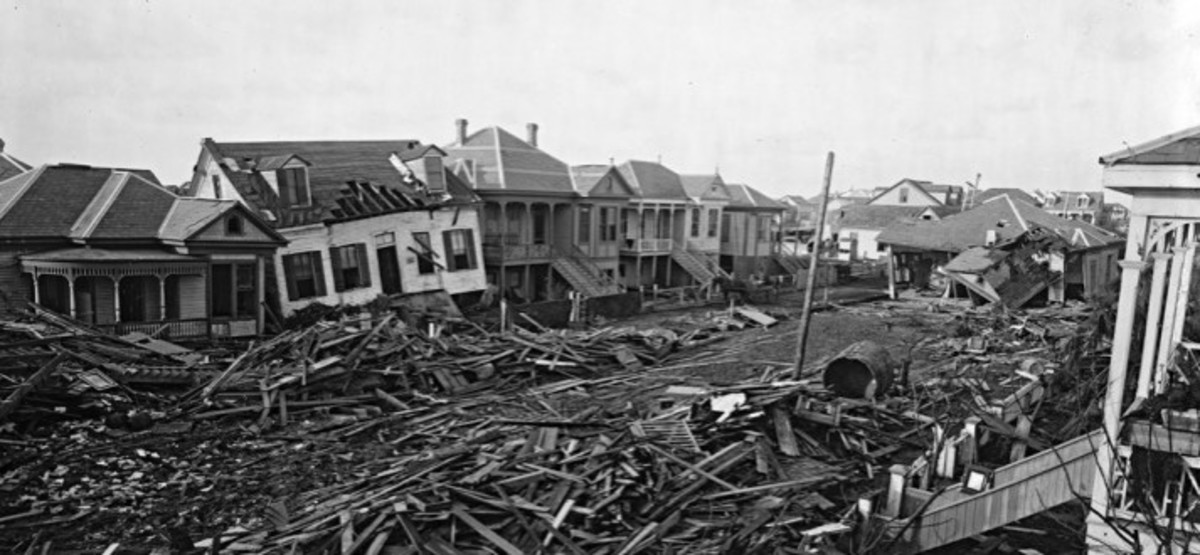
Okay, let's be honest, talking about hurricanes might sound a little morbid, but there's something undeniably fascinating (and, let's face it, a little thrilling) about the sheer power of nature. We're captivated by forces that can reshape coastlines and remind us of our own vulnerability. Plus, understanding the history of these storms helps us prepare for the future, making us a little safer and a lot more informed. So, buckle up as we dive into a look at some of history’s worst hurricanes!
Our goal here is simple: to highlight the most devastating hurricane on record, focusing on the human impact and the lessons we've learned. Knowing what's happened in the past helps us understand the potential for future disasters, improve our forecasting, and build more resilient communities. In short, learning about the past helps us protect ourselves in the future. Think of this as a quick, painless, and hopefully engaging history lesson with a practical application.
So, which storm reigns supreme (or, perhaps more accurately, supreme terror) in the annals of hurricane history? While pinpointing the absolute worst is tricky (records are often incomplete, especially from centuries ago), most historians and meteorologists agree that the Great Bhola Cyclone of 1970, which struck what is now Bangladesh, is likely the deadliest tropical cyclone ever recorded.
Must Read
Imagine this: a powerful cyclone, fueled by warm waters in the Bay of Bengal, making landfall in a densely populated, low-lying area. The storm surge, a wall of water pushed ashore by the cyclone's winds, was the real killer, inundating islands and coastal regions. The numbers are staggering: estimates range from 300,000 to 500,000 deaths. Entire villages were simply washed away. The devastation was unimaginable.
The Bhola Cyclone wasn't just a tragedy; it was a catalyst for political change. The then-East Pakistan government's inadequate response to the disaster fueled Bengali nationalism and ultimately contributed to the Bangladesh Liberation War in 1971. This highlights the powerful connection between natural disasters, governance, and social unrest. It shows us that how we respond to a disaster is just as important as the storm itself.
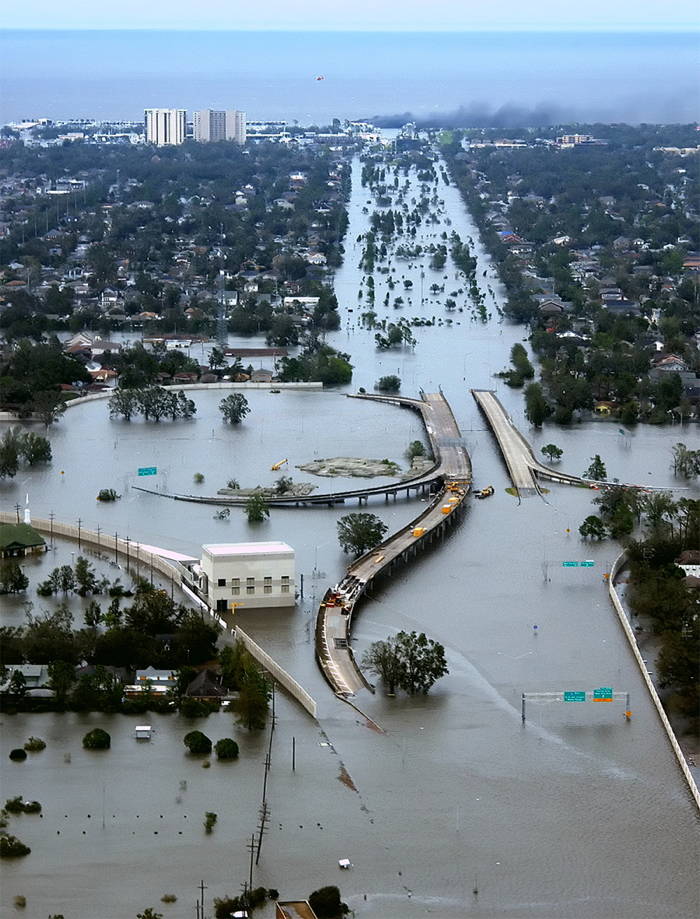
Now, you might be thinking, "Okay, that was awful, but what about more recent storms?" And you'd be right to ask! While Bhola remains the deadliest, other hurricanes have caused immense damage and loss of life. Hurricane Katrina (2005) in the United States, for instance, exposed vulnerabilities in infrastructure and disaster preparedness. And recent storms like Maria (2017) in Puerto Rico demonstrated the challenges of providing aid and restoring services in the wake of catastrophic events.

The good news? We've made significant progress in forecasting and warning systems. Satellites, weather models, and improved communication allow us to predict the path and intensity of hurricanes with increasing accuracy. This gives people time to evacuate and prepare, saving countless lives. However, the threat remains. Climate change is expected to increase the intensity of future hurricanes, making it even more critical to learn from the past and invest in resilience.
So, the next time you hear about a hurricane, remember the Great Bhola Cyclone. Remember the hundreds of thousands of lives lost and the lessons learned. Remember that while we can't control the weather, we can control how we prepare for it. Let's use this knowledge to build a safer future for everyone.

