
What Happens When The Septic Tank Is Full

So, you live in a place with a septic tank, huh? Join the club! For many of us, it's one of those invisible heroes of the household. It just... does its thing. Out of sight, out of mind, right? We flush, we shower, we wash dishes, and everything just magically disappears. It’s like a silent agreement: you keep working, and I won’t think about you too much.
But here’s the thing, friend: what happens when that silent agreement gets a bit... loud? What happens when your trusty septic tank decides it's had enough, thanks very much, and is ready to throw in the towel? Or, more accurately, throw everything back in the towel? Yeah, that’s where the fun begins. And by "fun," I mean a situation that will make you wish you’d paid more attention in science class, or at least to the maintenance schedule.
The Subtle Nudges: Your Septic Tank Tries to Tell You Something
Before things get truly apocalyptic, your septic tank usually tries to send you a few memos. Think of them as passive-aggressive Post-it notes from the underworld. You just have to know how to read them.
Must Read
First up, slow drains. This one’s a classic. You’re in the shower, humming along, and suddenly you’re standing in an inch of murky water. "Huh," you think, "must be my hair." Or the kitchen sink takes ages to drain after washing up. You might blame the kids, or a rogue potato peel. But nope, your septic tank is just letting out a little sigh. It’s saying, "I'm feeling a bit sluggish, mate."
Then there are the gurgles. You flush the toilet, and instead of a polite woosh, you get this unsettling, almost conversational gurgle from the pipes. Like a monster under the bed, but it’s under your house. Or it's your washing machine draining, and the toilet next door bubbles. It’s a definite "What was that?" moment. Your pipes are trying to tell you, "We're fighting for space in here!"

And let’s not forget the smell. Oh, the smell. Initially, it might be subtle. You walk outside, near your drain field, and catch a whiff of something... earthy. And not in a good, freshly-tilled garden kind of way. More like an "Oh, someone forgot to bury the treasure properly" kind of way. It's a sniff that makes you wrinkle your nose and think, "Did the neighbor’s dog...?" No, honey. It’s your septic tank saying, "My deodorant is failing!"
Sometimes, nature gives you a hint. Have you noticed a patch of grass over your septic tank or drain field that’s suddenly super green? Like, unnaturally, vibrantly, almost glowing green? While it might look like you’ve discovered the secret to a perfect lawn, what you’ve really discovered is that your lawn is getting an overdose of, well, nutrients. And those nutrients are escaping your full, overflowing tank. It's basically a giant, unwanted, organic fertilizer dispenser. "Free fertilizer!" your tank screams, silently, through the grass.
The "Oh My Gosh!" Moment: When the Tank Throws a Full-Blown Tantrum
Okay, so those were the subtle hints. But if you miss those, or bravely (foolishly?) ignore them, your septic tank will eventually switch from passive-aggressive Post-it notes to a full-blown, screaming meltdown. And trust me, you won’t miss this message.
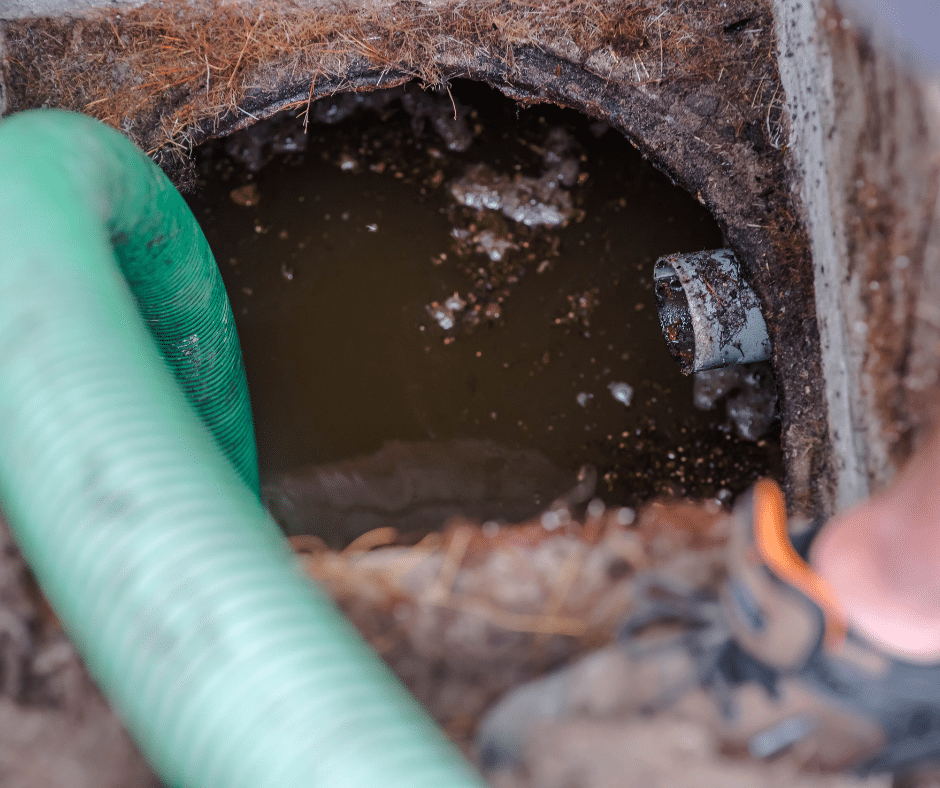
This is when things get... personal. The most infamous sign? Sewage backing up into your house. Yep, you read that right. Instead of things going down, they decide to come back up. We're talking toilets overflowing with murky water (and worse), bathtubs filling up when you use the washing machine, or sinks bubbling with contents that definitely didn’t come from your tap. It's the ultimate "Nope!" moment. Your house essentially becomes a reverse waterfall of... unpleasantness.
You might also see puddles of water in your yard, especially near the septic tank or drain field. And these aren’t just innocent rainwater puddles. Oh no. These puddles have a distinctive smell and a suspicious sheen. They scream, "My guts are spilling out!" Not exactly the scenic water feature you were hoping for, right?
And the smell? What was once a subtle whiff is now a full-on, eye-watering assault on your olfactory senses. Indoors and out, the air hangs heavy with a stench that no amount of air freshener or open windows can conquer. It's pervasive. It's potent. It's the smell of "I told you so!"
What Do You Do When It Hits the Fan (Literally)?
Panic? A little, sure. But then you gotta get practical.
First and foremost: STOP USING WATER. IMMEDIATELY. I mean it. No flushing, no showering, no running the dishwasher. Every drop of water you use is just adding to the problem, pushing more sewage into your already overwhelmed system, or worse, into your home. Put a sign on the toilet: "OUT OF ORDER – SEPTIC EMERGENCY!"
Secondly, call a professional. And by professional, I mean a licensed septic service. This isn't a DIY project, folks. You can’t just grab a plunger and a can-do attitude. You need someone with the right equipment (think giant vacuum truck) and the know-how to pump out your tank safely and inspect for any underlying issues. Don’t try to be a hero; this job is decidedly un-heroic.

They’ll come out, pump the tank (which is exactly what it sounds like), and hopefully, tell you that you just needed a pump-out, and everything else is gravy. Or, you know, not gravy.
A Little Prevention Goes a Long Way
So, how do you avoid this delightful scenario? A few simple tips, because trust me, you do not want to experience the full septic tantrum.
- Pump regularly: Depending on your household size and tank volume, aim for every 3-5 years. It’s an investment in not having sewage in your bathtub.
- Watch what you flush: The toilet is not a trash can. No "flushable" wipes (they're not!), no feminine hygiene products, no grease, no harsh chemicals. If it didn't come out of your body or isn't toilet paper, it shouldn't go down.
- Conserve water: Less water usage means less wastewater flowing into your tank, giving it more time to do its job.
- Know your system: Understand where your tank and drain field are. Don't drive heavy vehicles over them.
Having a full septic tank isn't just a minor inconvenience; it can be a messy, expensive nightmare. But with a little attention and regular maintenance, you can keep that invisible hero doing its job, silently and effectively, and avoid ever having a conversation with your plumber about "backup in the master bath." And trust me, that's a conversation you'd rather not have over coffee.