
What Happens When The Outdoor Temperature Drops

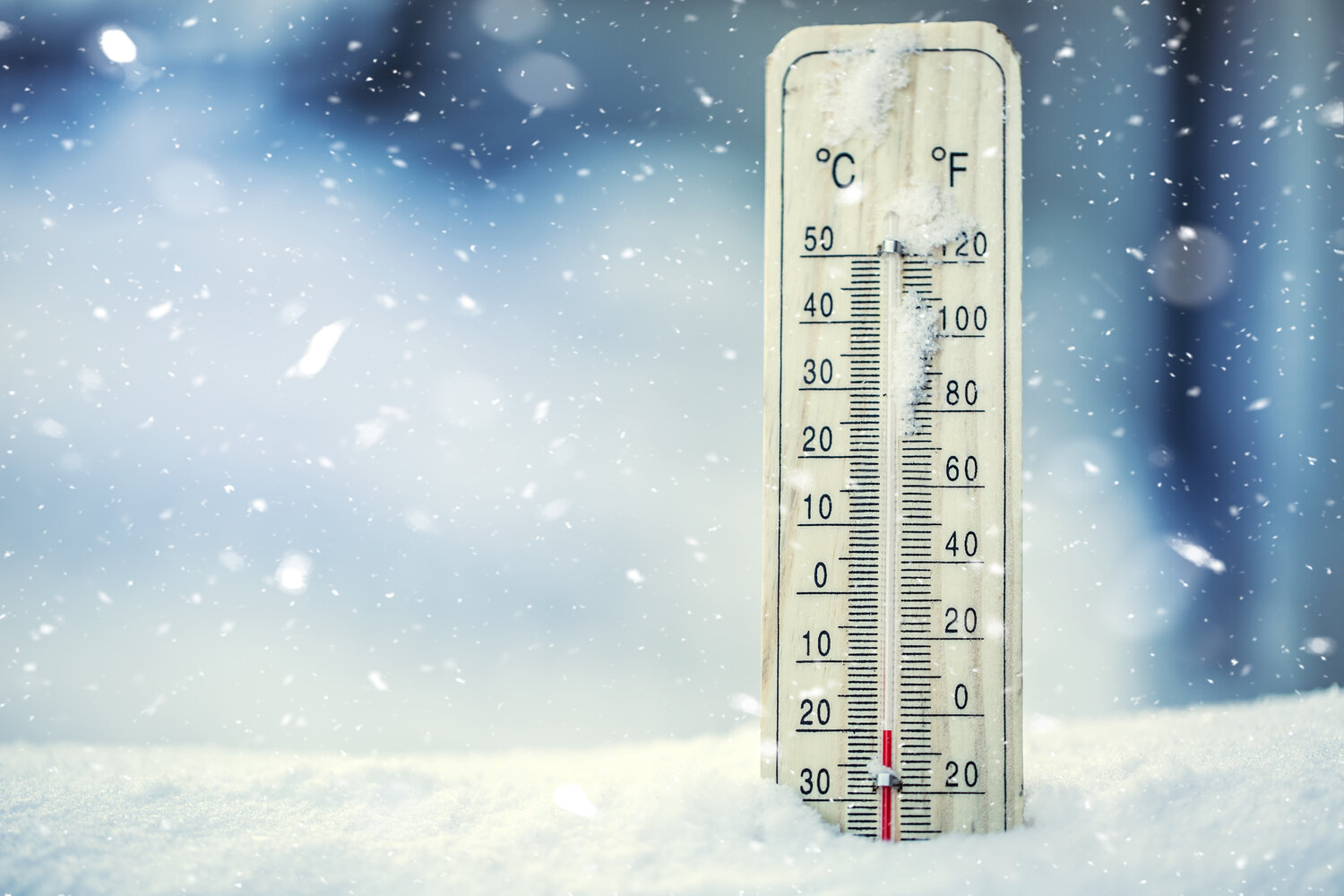
Ever wonder what really happens when that thermometer starts to plummet? We all know it gets colder, duh. But beyond reaching for that extra blanket, there's a whole fascinating cascade of effects kicking off around us. Let's dive in, shall we?
The Air Itself: Shrinking and Thirsty
First, let's talk about the air. Think of air molecules like a bunch of hyperactive kids bouncing around a room. When the temperature drops, those kids get really tired. They slow down and huddle closer together. This is why cold air is denser than warm air. It's literally the same amount of "stuff" squished into a smaller space.
But what about humidity? Cold air is thirsty air. It can't hold as much moisture as warm air. That's why you get that dry, crackly feeling in the winter. Think of it like this: imagine trying to carry a basket full of water balloons. In warm weather, the basket is nice and wide. But when it gets cold, the basket shrinks, and some of the water balloons (moisture) have to spill out. Where do those "spilled" balloons go? They condense, forming frost, fog, or even snow!
Must Read
The Great Animal Migration (or Hibernation!)
Now, let's move on to our furry, feathered, and scaly friends. For many animals, a temperature drop is like a dinner bell... signaling it's time to move or hunker down. Some, like many birds, undertake incredible migrations, flying thousands of miles to warmer climates where food is more plentiful. It’s basically a giant, feathered exodus!
Others, like bears and groundhogs, opt for the "extreme napping" strategy: hibernation. Think of hibernation as the ultimate power-saving mode. They slow their heart rate, lower their body temperature, and conserve energy until spring. It's like hitting the pause button on life for a few months. Pretty clever, right?
Even insects react! Some insects die off, leaving their eggs to overwinter. Others, like the monarch butterfly, migrate just like the birds! Who knew insects could be such globe-trotters?
Plants: Preparing for a Long Winter's Nap
Plants aren’t left out of the cold-weather action, either. As the temperature drops and daylight hours shorten, deciduous trees (the ones that lose their leaves) prepare for winter dormancy. They're basically shutting down operations.
Why do they lose their leaves? Well, leaves are like tiny solar panels, capturing sunlight to make food. But in winter, there's less sunlight, and water can freeze inside the leaves, damaging the tree. So, the tree sheds its leaves to conserve energy and prevent damage. It's like closing up shop for the winter season.
Evergreen trees, on the other hand, have waxy needles that help them retain water and withstand the cold. They're the tough guys of the plant world, weathering the winter storms with stoic resilience.
Water's Weirdness: From Liquid to Solid
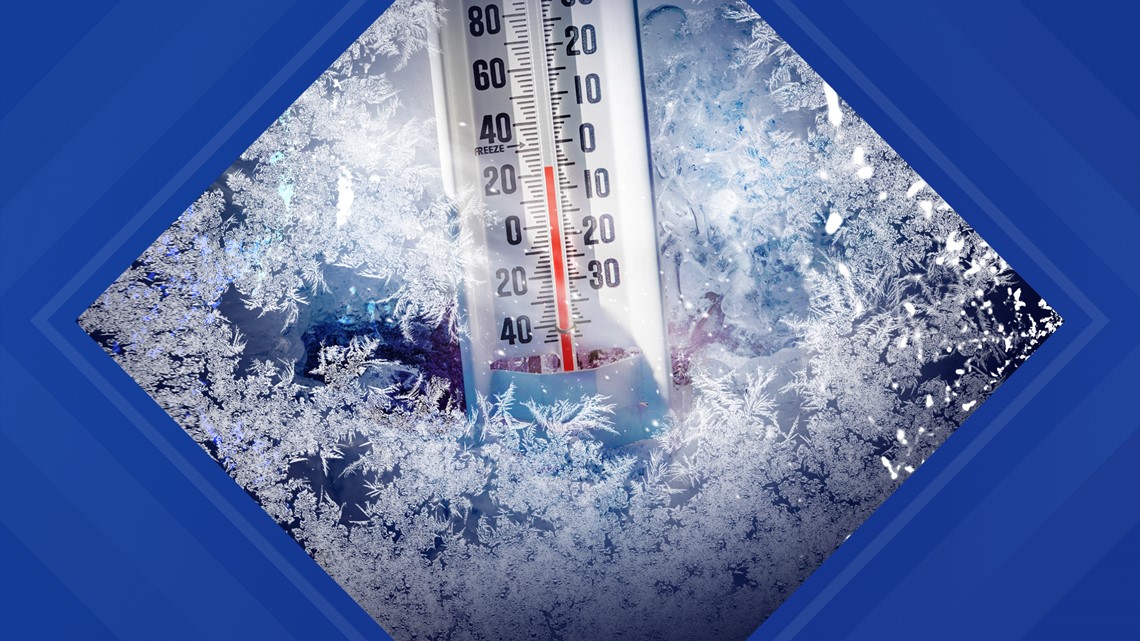
And what about water? Water is arguably the weirdest substance on Earth. Most substances get denser as they cool down. But water? Not so much! It gets denser until it reaches about 39 degrees Fahrenheit (4 degrees Celsius). Then, it starts to get less dense as it approaches freezing.
This weirdness is what allows ice to float. If ice sank, lakes and rivers would freeze from the bottom up, killing aquatic life. So, thank you, water, for being so wonderfully strange! That layer of ice acts as an insulator, protecting the water below and allowing fish and other creatures to survive the winter.

The Human Factor: Cozying Up and Staying Safe
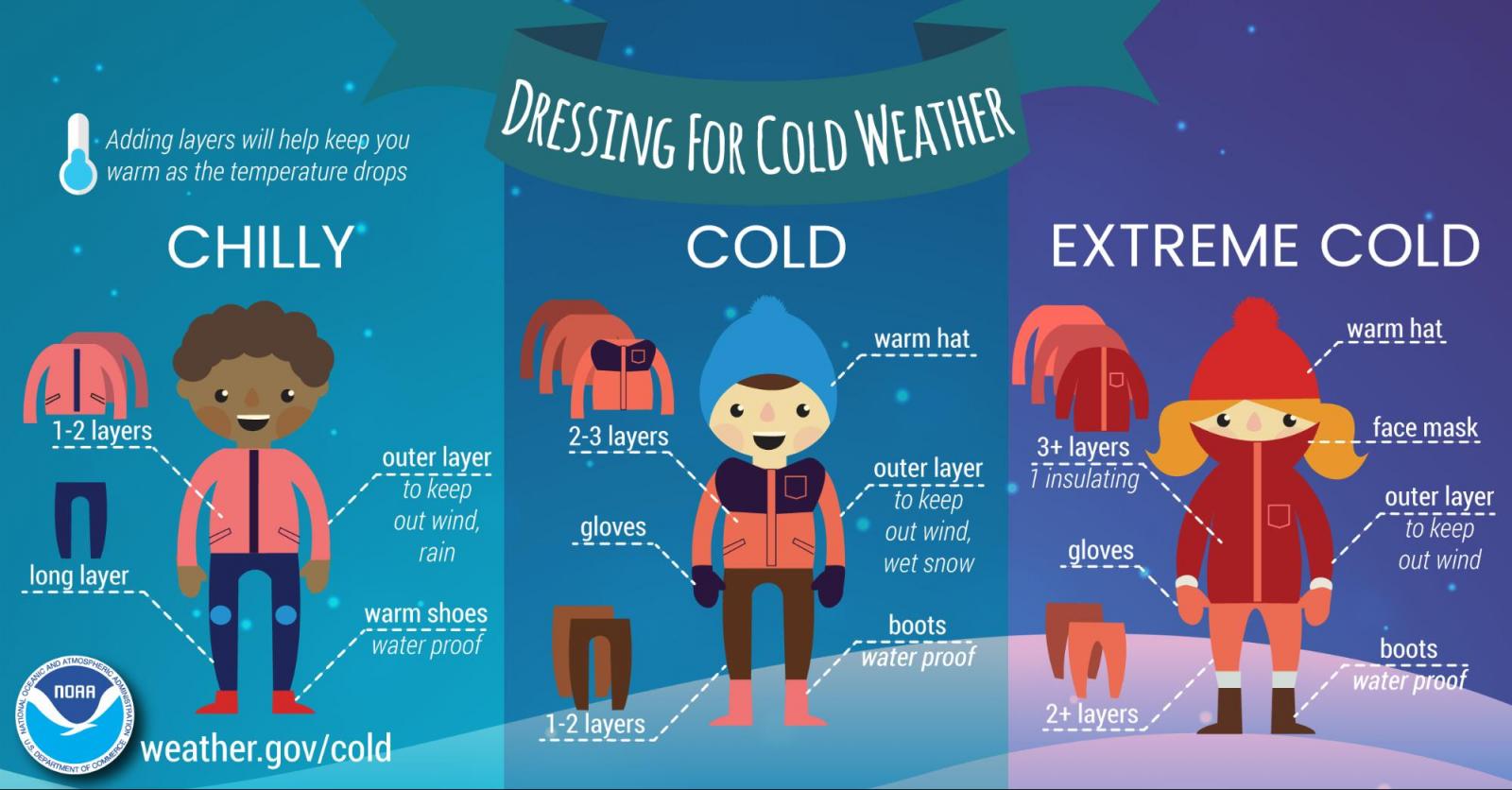
Of course, humans aren't immune to the effects of dropping temperatures. We bundle up in layers, crank up the thermostat, and crave comfort food like never before. But beyond the cozy sweaters and hot chocolate, there are some important safety considerations.
Hypothermia and frostbite are serious risks in cold weather. Dressing warmly in layers, staying dry, and avoiding prolonged exposure to the cold are crucial for staying safe. And don't forget about your pets! They feel the cold, too, so bring them indoors when the temperature dips.
So, the next time you feel that chill in the air, remember that it's not just about being cold. It's about a whole interconnected web of changes happening all around us, from the shrinking air to the migrating birds to the weirdness of water. Pretty cool, huh?