
What Happens To A Hurricane When It Makes Landfall
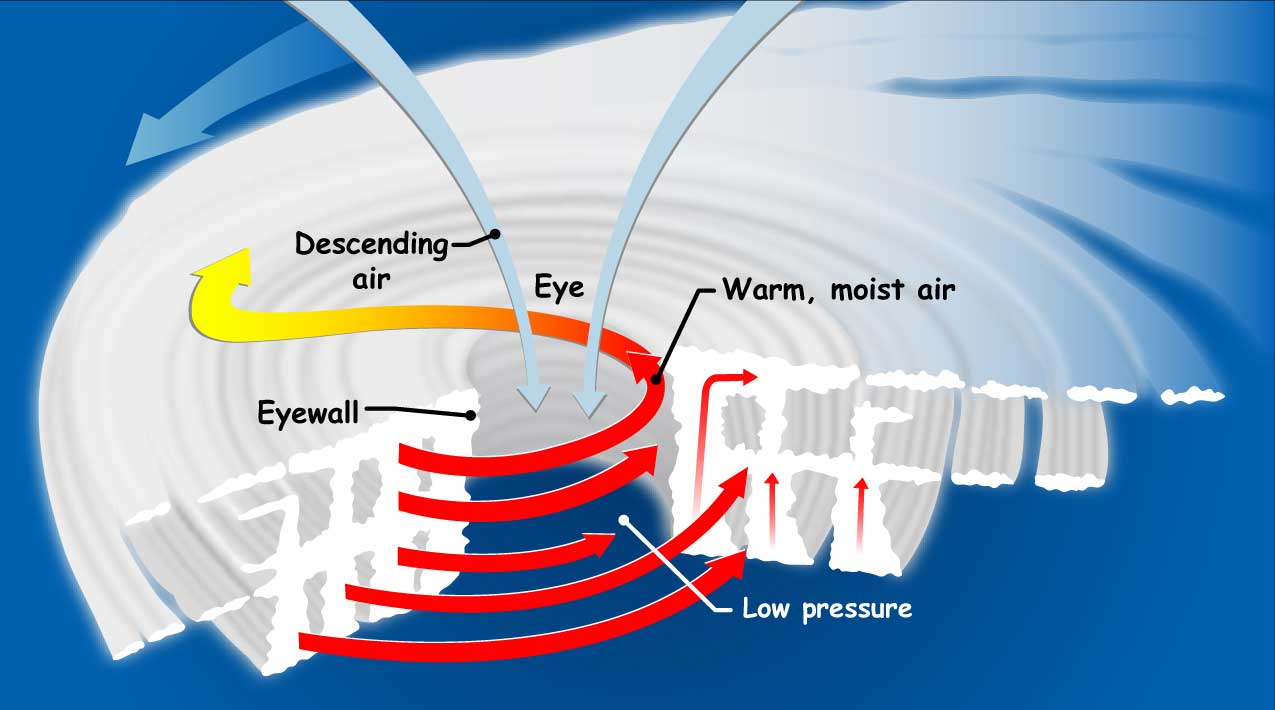
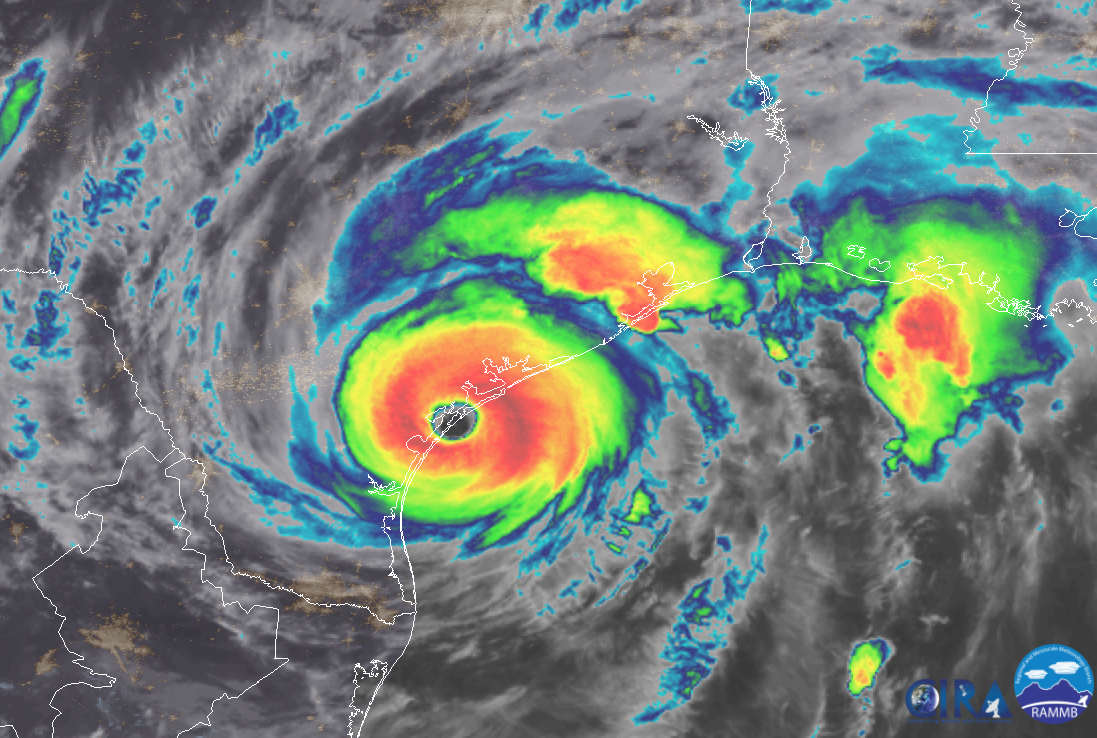
Okay, so you're watching the news, and there's this swirling monster heading straight for the coast. It's a hurricane. A big one. You're thinking, "What happens when this thing actually hits land?" Well, grab a cup of coffee (or sweet tea, depending on where you're reading this!), and let's chat about what happens when a hurricane makes landfall.
The Hurricane's Energy Source: Gone!
Hurricanes are like energy-hungry teenagers. They need fuel to keep going, and their favorite meal is warm ocean water. Think of it like this: that warm water is their giant, all-you-can-eat buffet. The warmer the water, the more powerful the storm can become. It's constantly sucking up moisture, which then condenses and releases heat, fueling the storm's engine.
Now, what happens when our hungry hurricane hits land? Suddenly, that delicious buffet is gone! It's like taking away your teenager's phone and seeing how quickly their mood changes. The storm is cut off from its primary energy source. No more warm water means no more easy fuel.
Must Read
Friction: The Hurricane's Brakes
Imagine you're riding your bike down a smooth, paved road. You can really pick up some speed, right? Now imagine trying to ride that same bike through a muddy field full of trees, houses, and hills. It's a lot harder, isn't it? You're going to slow down considerably.
That’s what happens to a hurricane when it makes landfall. All those trees, buildings, and other land features create a lot of friction. This friction acts like a giant brake, slowing down the storm's winds. The rougher the terrain, the faster the storm will weaken.

Rain, Rain, Go Away... Oh Wait, It's Staying!
While the wind speed decreases, the rain? Oh, the rain sticks around, often becoming even more of a problem. Hurricanes are like massive sponges, soaking up water from the ocean. When they hit land, they dump that water... and keep on dumping it.
This is where the real danger of inland flooding comes in. Even after the winds have died down, the sheer amount of rainfall can cause rivers to overflow, roads to become impassable, and homes to be inundated. Think of it like a bathtub overflowing; even after you turn off the faucet, the water keeps spreading.
The Storm Surge: A Coastal Problem That Still Matters
The storm surge, that wall of water pushed ashore by the hurricane's winds, is often the most destructive force right at the coastline. It can cause massive erosion, destroy homes, and even alter the landscape permanently. While the storm surge is most intense near the coast, its effects can be felt surprisingly far inland, especially along rivers and bays.
Even if you live hundreds of miles inland, remember that the storm surge has knock-on effects for everyone. Damaged infrastructure along the coast can disrupt supply chains, impact tourism, and affect the overall economy. Plus, coastal communities are often interconnected with inland areas, so what happens on the coast affects everyone to some extent.

The Aftermath: A Long Road to Recovery
So, the hurricane has made landfall, the winds have died down, and the rain has stopped (eventually!). But that's not the end of the story. The aftermath of a hurricane can be just as challenging as the storm itself.
Power outages, damaged roads, and contaminated water supplies are common problems. It can take days, weeks, or even months to fully recover from a major hurricane. And the psychological impact of experiencing a hurricane can last even longer. Remember to be kind and supportive to those affected, and to contribute in any way you can to the recovery efforts.

Why Should I Care? Even if I'm Landlocked?
Okay, so you live in Kansas, far away from any coastline. Why should you care about what happens when a hurricane makes landfall? Well, for starters, weather is interconnected. The remnants of a hurricane can travel far inland, bringing heavy rain and flooding to areas that are normally dry. You may even experience some leftover winds and thunderstorms.
But more importantly, we're all connected as people. The devastation caused by hurricanes can have a ripple effect throughout the country. Think about the supply chain disruptions, the economic impact on affected states, and the humanitarian needs of those who have lost their homes and livelihoods. Helping our neighbors in need is something we all have a responsibility to do.
So, next time you hear about a hurricane heading for the coast, remember that it's not just a coastal problem. It's a human problem, and we all have a role to play in preparing for, responding to, and recovering from these powerful storms. Stay informed, stay safe, and stay connected to your community. Knowledge is power, and together, we can weather any storm.