
What Happens If You Lay A Flat Screen Tv Down

Okay, so picture this: you've just wrestled your magnificent new flat-screen TV out of the car. Or maybe you're moving, and your living room looks like a giant, chaotic game of Tetris. You're staring at this beautiful, sleek rectangle and thinking, "Hmm, it's pretty big. Maybe I'll just lay it flat in the back of the SUV. Or perhaps just on the floor for a bit. What's the big deal, right?"
Oh, my friend, let's have a little chat about that. Because while it might seem like the most logical, space-saving solution, laying a flat-screen TV down flat is actually a bit of a no-no. Like, a pretty significant one. It's one of those things that seems innocent but can lead to a really, really sad outcome for your beloved screen.
Why Is Laying It Flat a Bad Idea? (Especially for LCD/LED)
Most modern flat-screen TVs – and we're talking about the vast majority of LCD and LED panels out there – are designed to be viewed upright. More importantly, they're designed to be supported upright. Think of your TV not as a solid brick, but as a wonderfully intricate sandwich of layers. The star of the show, the part that actually makes the pretty pictures, is an incredibly thin, incredibly delicate sheet of glass.
Must Read
When your TV is standing tall, gravity is your friend. The weight of that glass panel is evenly distributed and supported by the frame, top to bottom. It's all good, chilling, doing its job.
But when you lay it flat? Uh oh. Suddenly, gravity becomes less of a friend and more of a mischievous bully. That delicate glass panel, which isn't designed to bear its own weight horizontally, starts to sag. Even if it's just a tiny, microscopic sag, it's still saggin'.
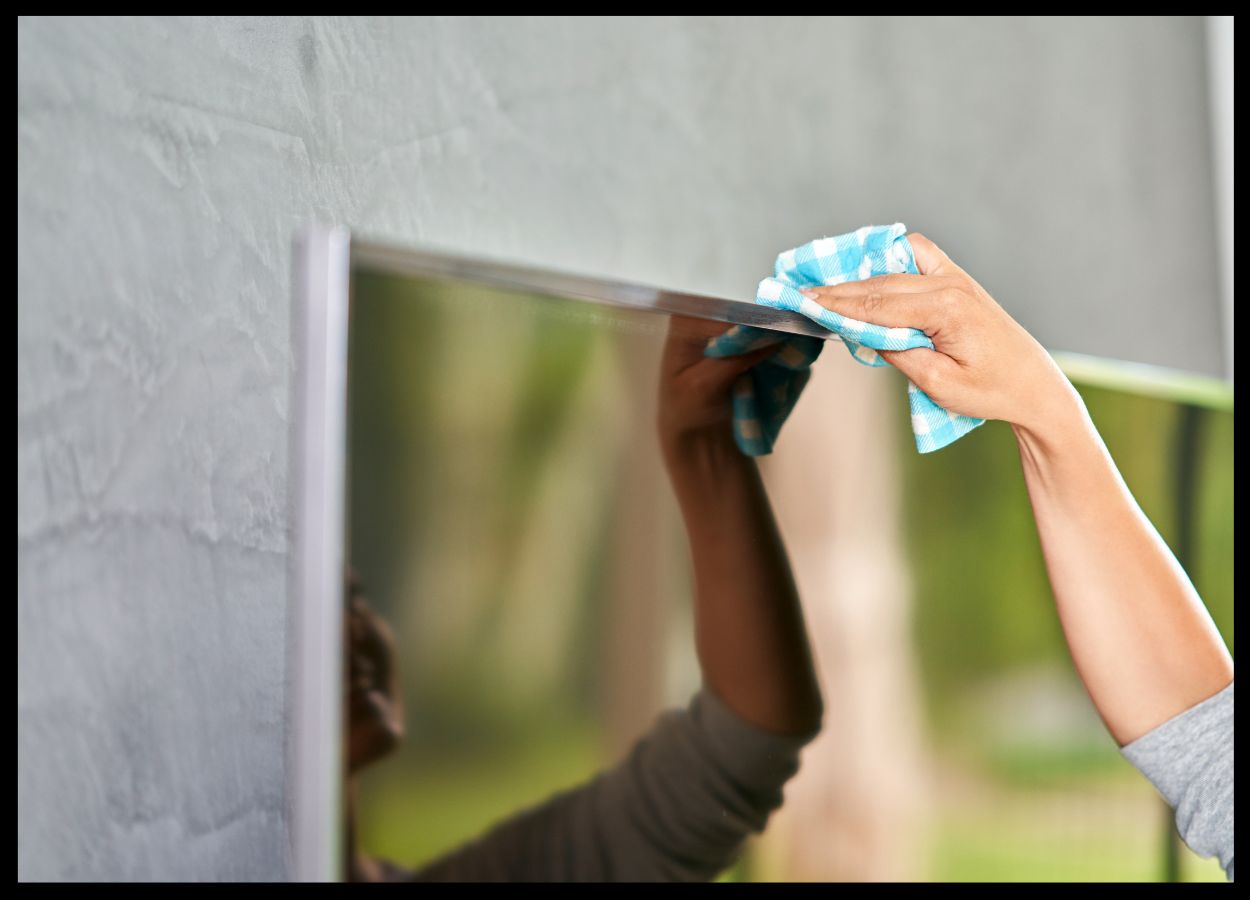
Imagine trying to carry a huge, thin sheet of glass by just its edges, horizontally. What happens in the middle? It bows, right? It puts immense stress on the entire structure. The same thing happens inside your TV, but instead of just bowing, it creates these incredibly vulnerable pressure points.
These pressure points are like tiny ticking time bombs. A bump in the road during transport? A little extra pressure on the top (which is now the side)? Even just the sheer, continuous force of gravity acting on unsupported glass? Snap! Or crack! Or worse, a spiderweb of doom spreading across your pristine display.
And then you've got those super tiny, super important components that connect the display to the rest of the TV's brains. When the panel sags, these delicate connections can also get stressed, bent, or even break. It's a whole cascade of potential problems.

What About OLEDs? Are They Different?
Good question! OLED TVs use a different panel technology that's even thinner and often more flexible than traditional LCDs. This might make you think, "Aha! Flexibility means it's fine flat!" But actually, it's often the opposite. While OLEDs might be more resistant to some types of pressure, they're still incredibly delicate.
Many OLEDs are almost impossibly thin, especially at the top of the panel. Laying them flat still introduces stress on the frame and the panel itself. Plus, the weight of the TV's internal components – power supply, main board, etc. – which are usually housed in a thicker section at the bottom (when upright), now exert downward pressure on the laid-flat, delicate screen. So, even with OLEDs, the general advice is still a resounding "keep it vertical!"

"But I Did It Once and It Was Fine!"
Yeah, I hear you! And honestly, you got lucky. Seriously lucky. Sometimes, if the TV is small enough, or if it's just for a very, very short trip, or if it's packed perfectly with zero jostling, you might get away with it. It's a bit like playing Russian roulette with your electronics, though. Just because you spun the chamber and it didn't fire doesn't mean it's a safe game to play regularly.
The risk of a hairline fracture, internal component stress, or dead pixels appearing later on is just too high to gamble with such an expensive piece of tech.
So, How Should You Move or Store a Flat-Screen TV?
Always, always, always transport and store your flat-screen TV in its upright position. Seriously, write it on your hand. If you still have the original box? Even better! Those boxes are specifically designed with internal packing materials to cradle the TV exactly as it should be – vertically – protecting those delicate edges and distributing the weight correctly.
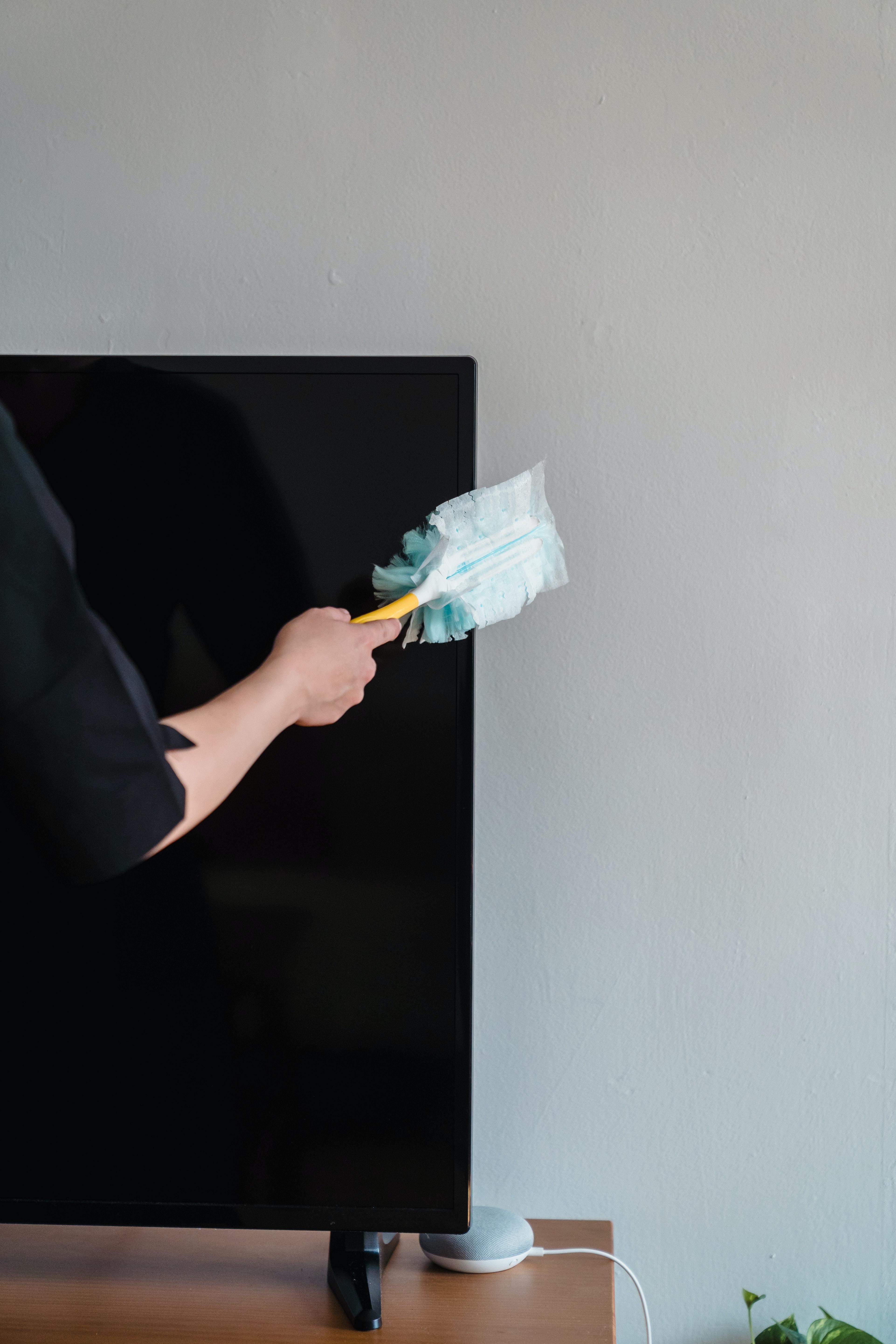
If you don't have the original box, wrap it carefully in blankets, secure it with straps, and make sure it's standing upright. And drive like you're carrying a very, very full glass of water. No sudden stops, no sharp turns, no bumps if you can help it.
Because let's be real, nobody wants to unbox their shiny new screen only to find a beautiful, expensive abstract art piece that looks like a shattered mirror. Your TV deserves better, and honestly, so does your wallet!
So next time you're faced with that big, beautiful panel, remember: upright and proud is the way to go. Your TV (and your future binge-watching sessions) will thank you.