What Happens If You Charge A Battery Direcly With Ac

Okay, so picture this: my uncle, bless his heart, is not exactly known for his electrical prowess. One time, he tried "fixing" a lamp by just twisting the wires together. No tape, no connectors, just...hope. Miraculously, he didn't electrocute himself, but it did trip the whole house. Anyway, the other day, he asked me, completely seriously, "What happens if you plug a battery directly into the wall?" My initial reaction was to hide all sharp objects. But it got me thinking: what does happen? Let's dive in, shall we?
The short answer? Probably not good. At all. But let's break down why shoving a battery directly into an AC outlet is a spectacularly bad idea. Think of it as trying to force a square peg (AC) into a round hole (DC), but with electricity and the potential for explosions. (Okay, maybe not explosions every time, but the risk is definitely there.)
AC vs. DC: A Quick Refresher
Remember those terms from high school physics? AC stands for Alternating Current. Think of it as the electricity constantly changing direction, like a wave going back and forth. It's how power is delivered to your house. DC stands for Direct Current. It flows in one direction only, like a river. Batteries are DC devices. That's crucial to understand. (If you're already bored, just skip to the next section. I won't be offended… much.)
Must Read
The electricity that comes from your wall sockets is designed to power devices that can handle the alternating current. Your phone charger? It converts AC to DC. Your toaster? It just uses the AC directly to heat up. Your brain? Well, that runs on complex bio-chemical processes, but definitely not 120V AC. Please don't try it.
What Actually Happens? (The Scary Part)
So, you bravely (or foolishly) decide to ignore all warnings and plug that battery into the wall. What now? Well, a few things are likely to occur, none of them pleasant.
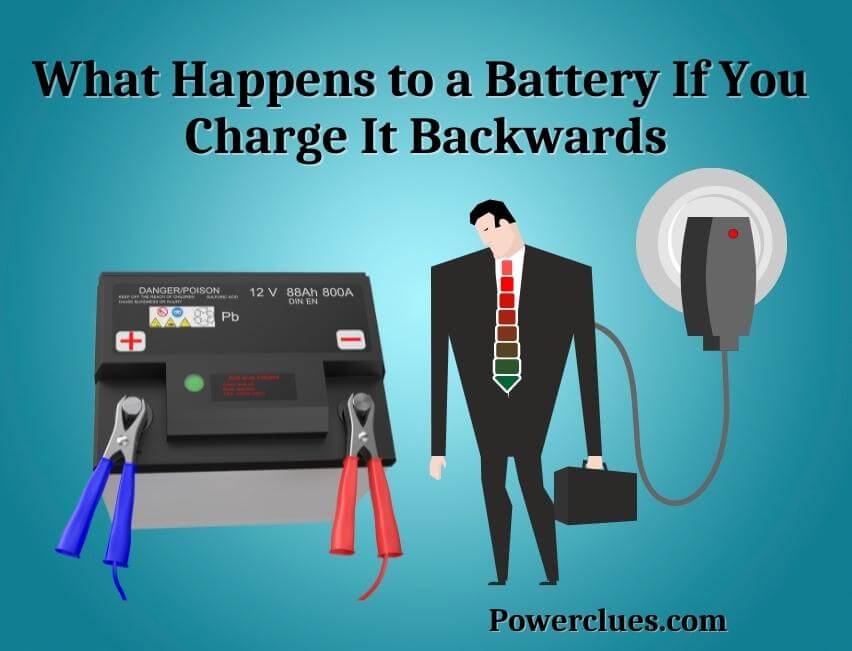
First, you're forcing a whole bunch of AC voltage (typically 120V in the US, 230V in Europe) into a battery that’s designed for a much lower DC voltage (like 1.5V for a AA, or 12V for a car battery). This is like trying to force Niagara Falls through a garden hose. (Okay, a slightly exaggerated analogy, but you get the idea.)
Secondly, you're essentially creating a short circuit. Batteries have very low internal resistance. Plugging it directly into the AC source allows a huge current to flow – limited only by the resistance of the wiring and the battery itself. This massive surge of current will cause the battery to overheat very rapidly. We're talking potentially melting plastic, boiling chemicals, and… well…
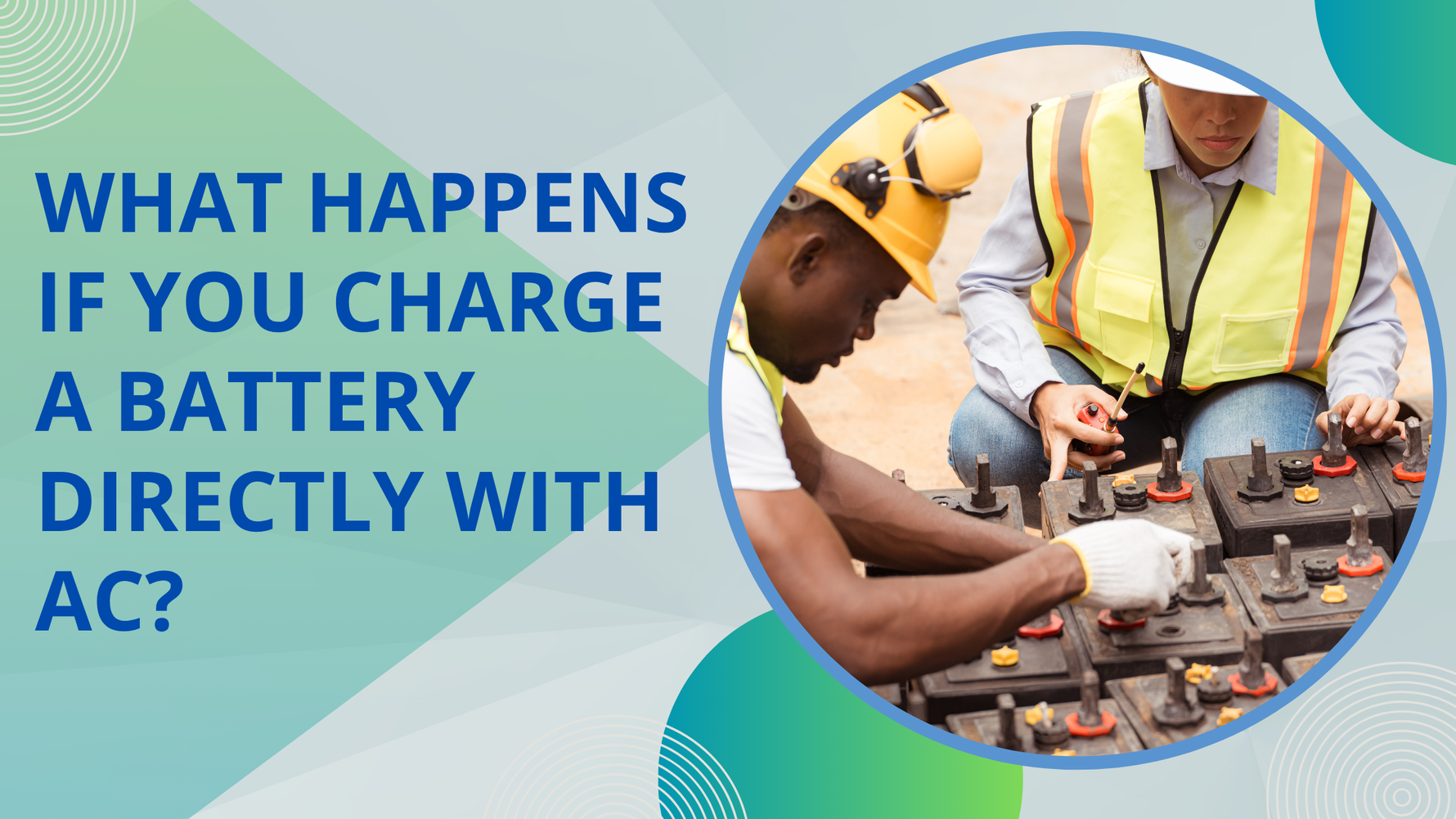
Third, depending on the type of battery, you could be looking at a thermal runaway. That's a fancy term for "things getting really hot and going boom." Some batteries, particularly lithium-ion, are more prone to this than others. The heat can cause the battery's internal components to break down, leading to a fire or even an explosion. Think of those videos of exploding e-cigarettes – that's often a thermal runaway in action. (Yeah, suddenly twisting wires together doesn’t seem so bad, does it?)
Worst Case Scenarios (Because Why Not?)
Let's paint a picture of the absolute worst-case scenario. Imagine a lithium-ion battery plugged directly into the wall. The battery overheats, it vents flammable gases, those gases ignite, and you've got yourself a little impromptu fireworks display (indoors, of course). That could easily start a fire, damage your electrical system, and potentially cause serious injury. Are you having fun yet?

Even if it doesn't explode, the battery will almost certainly be ruined. It'll probably leak corrosive chemicals, which is a delightful mess to clean up. And you might also trip a breaker or blow a fuse, plunging part of your house into darkness. So, congratulations, you’ve successfully turned a simple electrical experiment into a multi-faceted disaster. You've earned it. (Seriously, though, don't do this.)
The Bottom Line (Don't Be My Uncle)
Charging a battery directly with AC is a terrible idea. It's dangerous, it's destructive, and it's just plain dumb. Batteries require specifically designed chargers that convert AC to DC and regulate the voltage and current. Using the correct charger is not optional; it's essential for safety and proper battery function.
So, the next time you're tempted to try something "interesting" with electricity, remember my uncle and his lamp wires. And just… don't. Please. Your house (and your local fire department) will thank you for it. Now go watch some cat videos or something. You've earned a break.