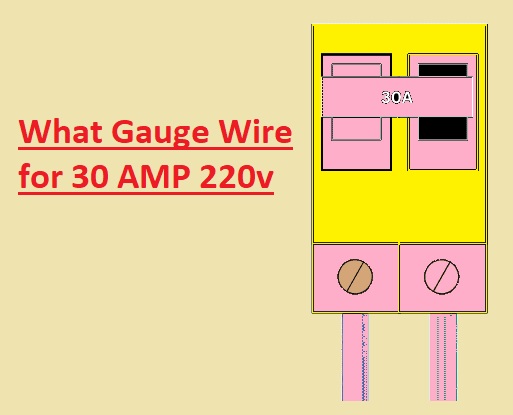
What Gauge Wire For 30 Amp 220v
Ever gazed at the back of a powerful new appliance – maybe a shiny new electric clothes dryer, an exciting EV charger for your garage, or even a hot tub – and seen those numbers like "30 Amps, 220 Volts" flash before your eyes? If you're like most of us, your immediate thought might be, "Okay, but what kind of wire do I need for that?" It's a fantastic question, and one that taps into the wonderfully practical world of home electricity. Understanding wire gauge isn't just for electricians; it’s about making sure your home runs safely and efficiently, giving you that great feeling of being in the know when it comes to your household's power needs.
So, why dive into something that sounds a bit technical? For beginners, figuring out wire gauge demystifies a critical part of your home. It’s like learning the basic rules of the road before you drive – essential for safety and confidence. You'll suddenly understand why some outlets are different or why a breaker trips, empowering you to make smarter decisions about your home's electrical setup. For families, this knowledge is primarily about safety and peace of mind. The wrong wire gauge can lead to overheating, tripped breakers, or, in extreme cases, even fire hazards. Knowing you're using the correct wire for your high-power appliances means your family can use them without worry, and you avoid costly damage or repair calls. And for the eager hobbyist or DIY enthusiast, this is foundational knowledge! Want to add a dedicated circuit for a workshop tool, a kiln, or that dream EV charger? Understanding wire gauge is your first step to a successful and safe installation.
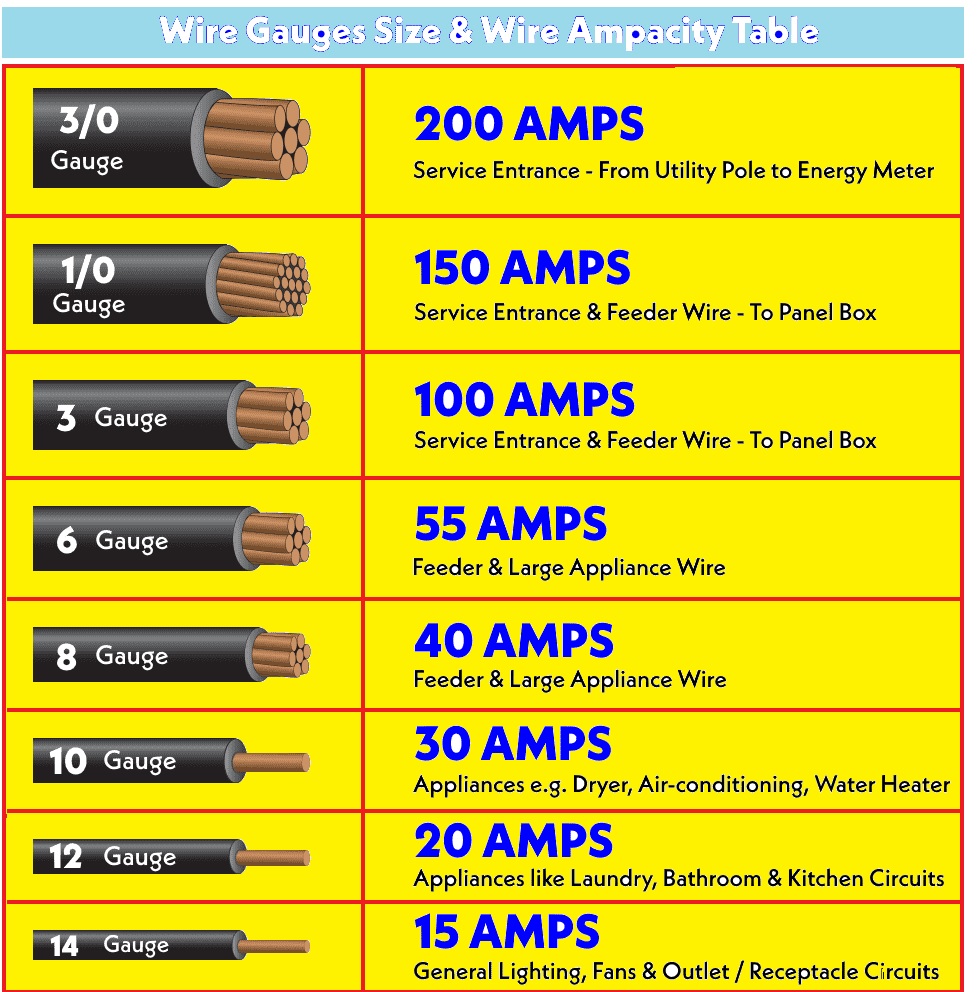
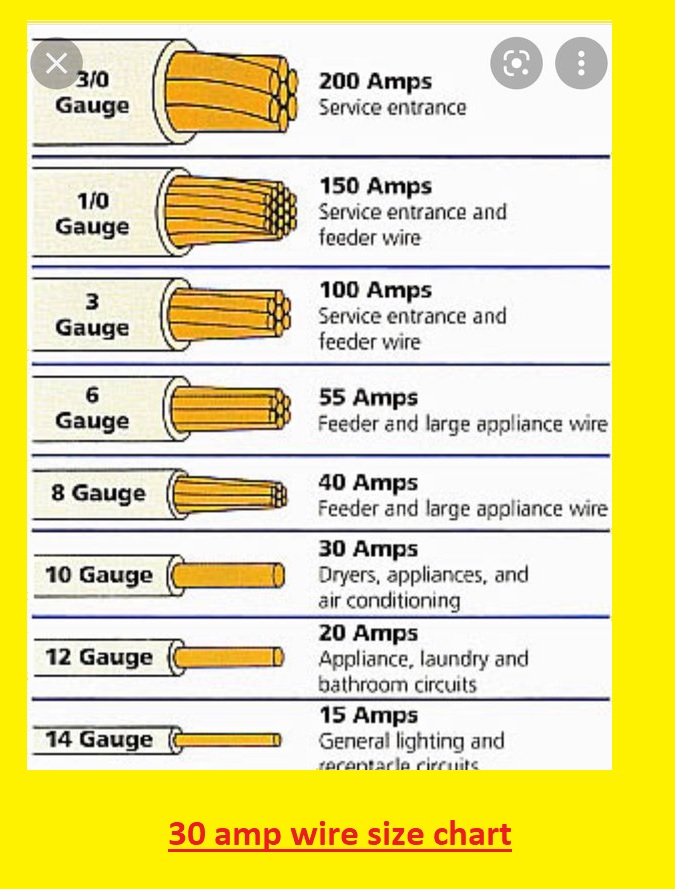
Let's get straight to the heart of the matter for 30 Amp, 220 Volt circuits. The generally accepted, standard wire gauge you'll need is 10-gauge wire. This might be labeled as 10 AWG (American Wire Gauge). This robust wire is designed to safely carry 30 amps of current without overheating, ensuring your appliances get the power they need reliably. You'll typically find this in NM-B (Non-Metallic sheathed cable, often called Romex) for indoor use, or UF-B (Underground Feeder) for outdoor or buried applications. While 10-gauge is the go-to, it’s useful to know that smaller numbers mean thicker wires. So, a 12-gauge wire is thinner than a 10-gauge, and a 14-gauge is thinner still. This is why you need a thicker wire (smaller gauge number) for higher amperage requirements.
Must Read
Ready to tackle a project or just want to be better informed? Here are some simple, practical tips. First and foremost: always consult your local electrical codes. These are the ultimate authority, and they can vary slightly from place to place. Second, when working with electricity, safety is paramount. Always turn off the power at the main breaker before doing any wiring work. If you're unsure, or the project feels too big, don't hesitate to call a qualified electrician – it’s always money well spent for peace of mind. Third, check your appliance's manual; it often specifies the exact power requirements. Lastly, if you’re ever in doubt about wire size, it’s generally safer to go with a slightly larger gauge (smaller number) than required, as long as it fits your connectors and conduit. An oversized wire is safer and more efficient than an undersized one.
Understanding wire gauge for something like a 30 Amp 220 Volt circuit isn't just about technical specifications; it's about gaining confidence, ensuring the safety of your home, and making your household run more smoothly. It’s incredibly satisfying to know you’ve done your homework and properly powered your important appliances. So go ahead, enjoy the newfound knowledge and the feeling of empowerment it brings!