
What Gauge Of Wire For 220v

Ah, 220v. Just the number itself sounds like it means business, doesn't it?
It’s not your average plug-in-a-lamp kind of power. We’re talking about the big leagues here: your glorious electric clothes dryer, that super-speedy electric car charger, or maybe a hefty workshop tool.
These appliances demand a certain kind of respect. And with that respect comes the age-old question: what gauge of wire for 220v?
Must Read
The Great Wire Gauge Mystery
For many of us, wire gauges are like a secret code. You see numbers like 14, 12, 10, and then the even beefier ones: 8, 6, or even lower.
It feels like you’re trying to decode an ancient prophecy, just to power your laundry room. Is a bigger number better? Or is a smaller number actually the champion?
It’s enough to make you want to throw your hands up and just buy the biggest, baddest wire you can find.
My Unpopular (But Seriously Good) Opinion
Here’s where I might ruffle a few feathers. You ready for my perhaps unpopular opinion?
The best wire gauge for 220v is... the one a qualified electrician tells you to use. Shocking, right? But hear me out!
Electricity is not really a guessing game. It's a serious business, and mostly, it's a game of safety.
“For 220v, the best wire gauge is the one an electrician tells you to use. It’s about safety, not guesswork.”
Think of it like this: you wouldn't perform open-heart surgery based on a quick internet search, would you?

Okay, maybe wiring isn't quite that dramatic. But it's certainly more complex than picking out a new shower curtain.
There are subtle nuances, hidden dangers, and very specific rules that govern this powerful stuff.
The Spaghetti Analogy (Because Everything is Better with Pasta)
Let’s try a little thought experiment. Imagine wire gauges as different types of spaghetti.
You have your delicate angel hair (that would be a very high gauge number, meaning thin wire), perfect for a light, buttery sauce.
Then there’s your standard spaghetti (a mid-range gauge), good for almost anything.
And finally, the mighty bucatini or even fettuccine (low gauge number, meaning thick wire) – built for a rich, hearty ragu.
You wouldn’t use angel hair to serve a thick, meaty chili, would you? It just wouldn't hold up. Similarly, you wouldn't try to force a thick rope of bucatini into a delicate little teacup.
It's about finding the right fit for the job. The same goes for carrying all that powerful 220v current.
Why 220v Feels Like a Big Deal
Let's be honest, 220v just sounds more intimidating than 110v, doesn't it?

It’s twice the potential, twice the punch. It’s like the difference between a gentle stream and a rushing river.
You wouldn't build a flimsy bridge over a rushing river. You’d want something sturdy, reliable, and perfectly engineered.
That sturdiness for electricity comes in the form of the correct wire gauge, the proper breaker, and the right connections.
The Temptation of the DIY Dream
We’re all for the DIY spirit! Changing a lightbulb? Absolutely. Painting a room? Go for it!
Building a complicated birdhouse? More power to you. But when it comes to safely funneling serious power like 220v through your walls...
That’s where many of us might consider drawing a sparky line in the sand. There are so many factors that go into it.
It's not just the voltage, you know. There are things like the amperage of the appliance, the distance the wire has to travel, even the temperature of the environment where the wire is run.
It's like trying to perfectly season a complex dish. You don't just throw in a pinch of salt; you need to understand how all the flavors interact.
The Secret Language of Electricians
Electricians don't just eyeball a spool of wire and say, "Yeah, that looks about right for 220v."
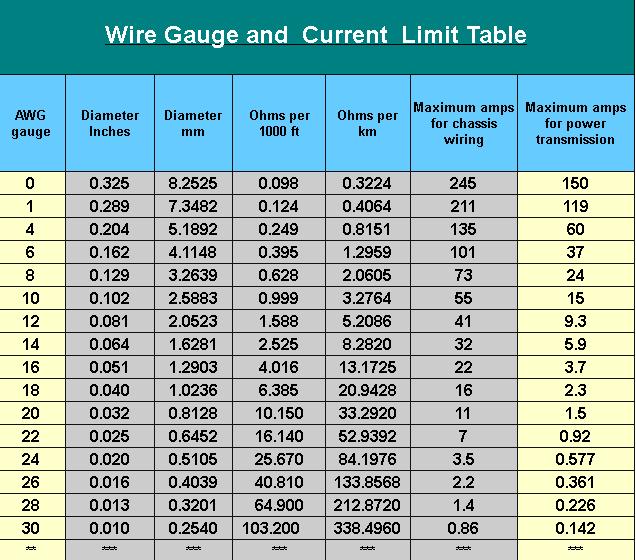
They consult charts, they reference the National Electrical Code (or NEC), and they apply years of training and experience.
They speak a secret language of amps, ohms, watts, and resistance. It’s a language that ensures your home is safe and your appliances run efficiently.
They are the unsung heroes who prevent flickering lights, tripped breakers, and, most importantly, electrical fires.
“Electricians speak a secret language of amps, ohms, and resistance. It’s a language of safety for your home.”
They are like the highly trained engineers who design roller coasters. You trust them to make sure every twist, turn, and loop is safe.
Similarly, you should trust them with the intricate pathways of power in your home.
It's Okay Not to Know Everything
Let’s be honest with ourselves. We’ve all stood in the hardware store, utterly bewildered by the sheer number of options for something seemingly simple, like screws or paint finishes.
The question of "what gauge of wire for 220v" feels like that, but with significantly higher stakes.
It's perfectly acceptable to admit that you don't possess encyclopedic knowledge of electrical engineering. Most of us don't!

Our brains are busy remembering birthdays, where we left our keys, or the lyrics to that catchy song from the 90s.
The Ultimate Playful (But Practical) Advice
So, after all this playful exploration, what's my final answer to "what gauge of wire for 220v"?
It's the gauge that lets you sleep soundly at night, knowing your home is safe and sound.
And more often than not, that means the gauge recommended, purchased, and installed by a certified professional electrician.
It's not about being unable to do it yourself; it's about being smart and prioritizing safety above a temporary sense of accomplishment.
Think of it as choosing the right tool for the job. And for serious electrical work, that often means an expert.
So, go ahead. Marvel at the sheer power of your 220v appliances. Enjoy the comforting hum of your clothes dryer.
But when it comes to those intricate wire gauge decisions, perhaps leave that particular puzzle to the folks who speak electricity's secret language.
Your home, your appliances, and most importantly, your peace of mind (and probably your insurance company) will certainly thank you.