
What Gasses Contribute To The Greenhouse Effect
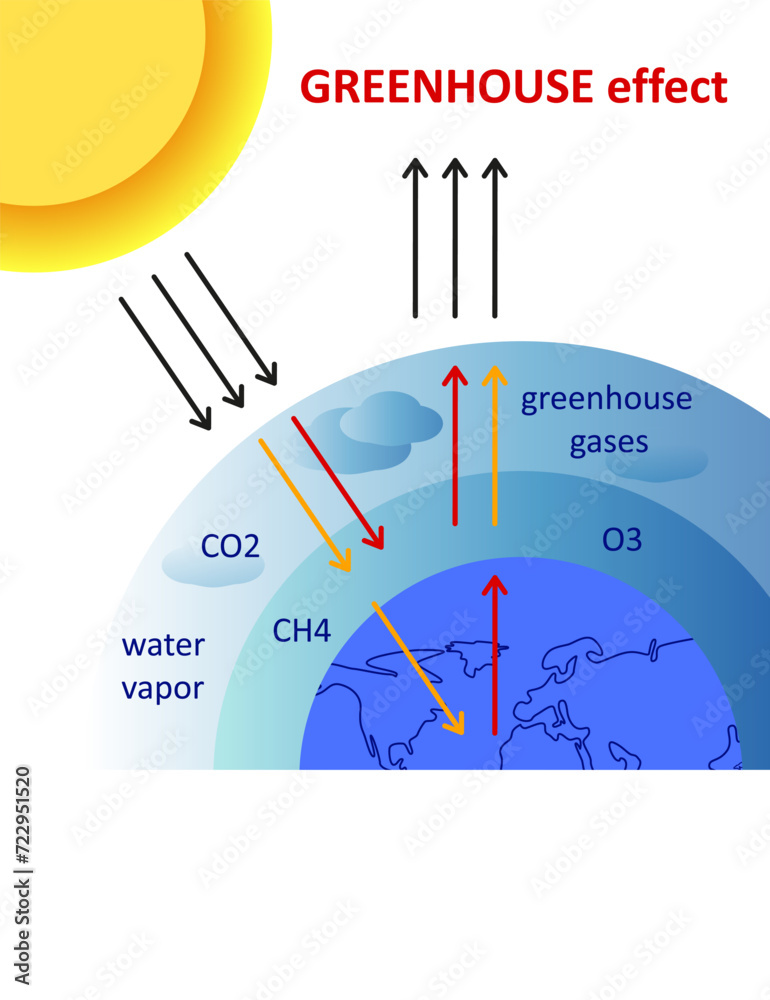
Hey everyone! Ever wonder what's actually causing this whole greenhouse effect thing we keep hearing about? It's a big topic, sure, but the basic science is actually pretty fascinating. Let's dive in and chat about the gases that are trapping heat and shaping our planet's climate. Ready?
The Usual Suspects: Greenhouse Gases
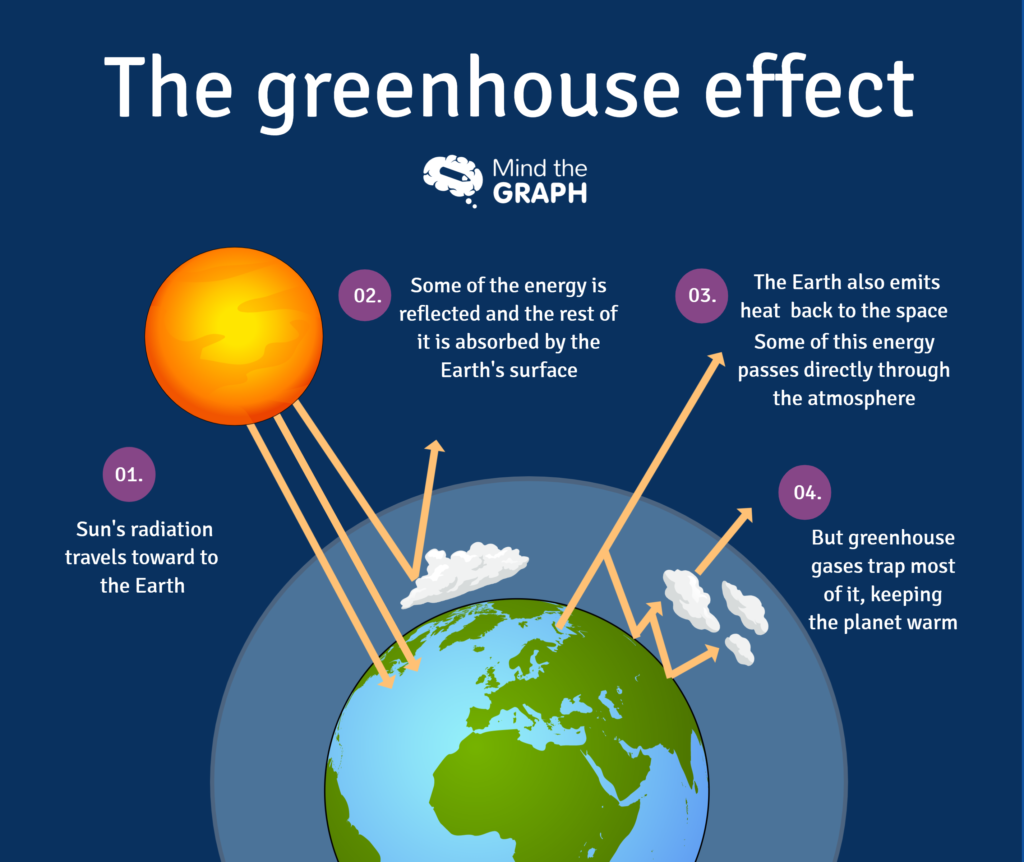
Okay, first things first. What are greenhouse gases? Basically, they're gases in the atmosphere that act like a cozy blanket around the Earth. They let sunlight in (which is awesome, otherwise we'd be a frozen snowball!), but they also trap some of the heat that radiates back out. Think of it like a car parked in the sun with the windows rolled up – sunlight streams in, but the heat can't escape easily. Boom, greenhouse effect!
So, which gases are the major players in this atmospheric drama? Let's break it down:
Must Read
Water Vapor (H2O): This is a big one! Water vapor is actually the most abundant greenhouse gas. Sounds scary, right? But here's the thing: its concentration in the atmosphere is largely determined by temperature. Warmer temperatures mean more evaporation, which means more water vapor. It’s more of a feedback loop than a primary driver of climate change. Cool, huh? It's like the atmosphere is trying to regulate itself (to some extent!).
Carbon Dioxide (CO2): Ah, yes, the gas everyone loves to talk about! CO2 gets a lot of attention, and for good reason. It's released when we burn fossil fuels (coal, oil, and natural gas) for energy, and it hangs around in the atmosphere for a long time – centuries, even! Think of CO2 like the foundation of a house; it's not necessarily the biggest room, but it's crucial for the whole structure. And we're adding a LOT of new bricks to that foundation.
Methane (CH4): Methane is like the super-powered greenhouse gas. It doesn't stick around as long as CO2, but while it's there, it's way more effective at trapping heat. Think of it like a super-efficient space heater. Where does it come from? Well, natural sources like wetlands, but also from things like agriculture (especially livestock), and natural gas leaks. So, next time you're enjoying a burger, remember that cows are contributing to the methane problem!
Nitrous Oxide (N2O): Ever heard of laughing gas at the dentist? That's nitrous oxide! But it's no laughing matter when it comes to the climate. It's a potent greenhouse gas that comes from things like agricultural activities (fertilizers) and industrial processes. It’s like the sneaky villain of the greenhouse gas world – quiet, but powerful.
Ozone (O3): Ozone gets a bit complicated. Up in the stratosphere, the ozone layer protects us from harmful UV radiation from the sun – which is absolutely vital for life. But down here, near the ground, ozone is a greenhouse gas and also a pollutant. It’s like a superhero with a secret identity – good guy up high, potential troublemaker down low.
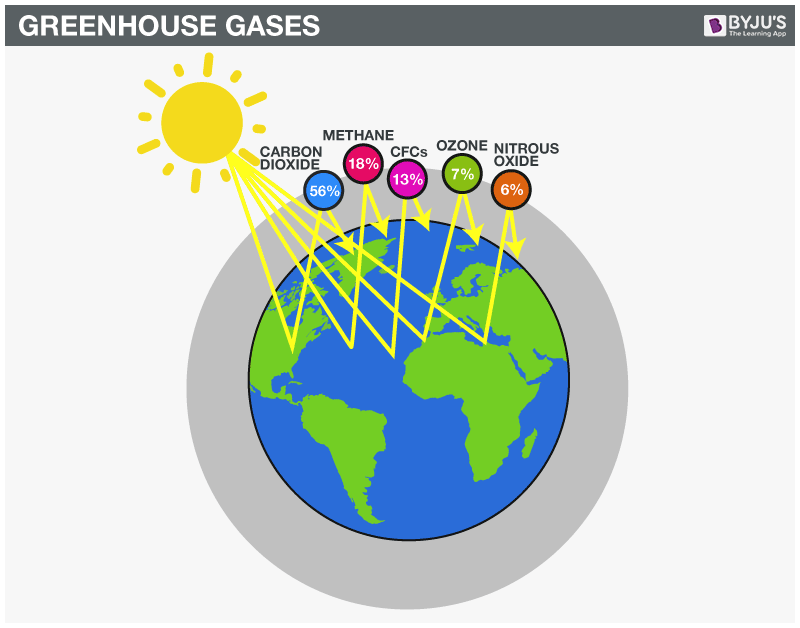
Fluorinated Gases: These are synthetic gases (meaning they don't occur naturally) used in things like refrigerants and industrial processes. They’re often called "high-GWP" gases because they have a very high global warming potential. Basically, they're incredibly effective at trapping heat, even in small amounts. They're like the ultra-high-tech, super-efficient heat-trapping gadgets of the greenhouse gas world.
Why Should We Care?
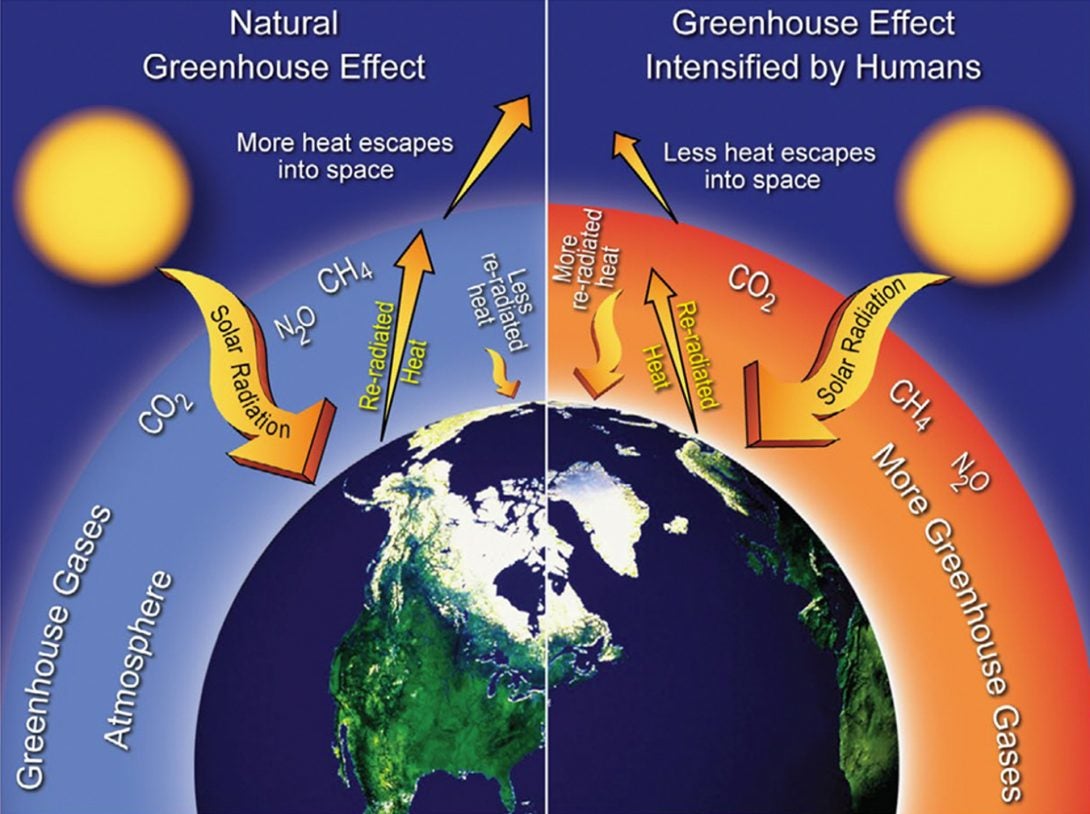
Okay, so we know which gases are trapping heat. But why does it actually matter? Well, the greenhouse effect itself is natural and necessary for life on Earth. Without it, our planet would be way too cold to support us. The problem is that we're enhancing the greenhouse effect by releasing so many extra greenhouse gases into the atmosphere.
This enhanced greenhouse effect is causing global warming, which leads to all sorts of problems, like rising sea levels, more extreme weather events (heat waves, droughts, floods), and disruptions to ecosystems. Think of it like turning up the thermostat in your house way too high. You might be cozy for a little while, but eventually, things are going to get uncomfortable (and expensive!).
The good news? We can do something about it! By reducing our emissions of greenhouse gases, we can slow down and eventually reverse the trend of global warming. It's a complex challenge, but understanding the science behind it is the first step. So, keep learning, keep asking questions, and let's work together to create a more sustainable future!
Pretty cool, huh?
