
What Gases Are Used For Brazing

Ever seen sparks fly and metals join together like magic? That's often the incredible world of brazing! It’s not just practical; it's genuinely captivating.
Imagine holding a fiery torch, watching two pieces of metal become one, strong and beautiful. What’s the secret ingredient behind this dazzling display? It's all about the gases!
These gases are like the unseen stars of the show. They create the intense heat needed to melt a special filler metal. This filler metal then flows into the joint, making an unbreakable bond.
Must Read
It’s a bit like gluing things together, but with fire that’s thousands of degrees hot! The process is surprisingly delicate and incredibly satisfying to watch. Let's peek behind the curtain at these amazing gas players.
The Fiery Heart: Fuel Gases
First up, we need something to burn, right? These are our fuel gases, the ones that ignite and create that spectacular flame. They bring the heat, literally!
Acetylene: The High-Octane Performer
Meet Acetylene, a real powerhouse in the brazing world. It burns incredibly hot, creating a focused, intense flame. Think of it as the sports car of fuel gases.
Watching an Acetylene flame at work is truly mesmerizing. It can melt filler metals quickly and efficiently. This means stronger, faster joins for demanding jobs.
The sheer heat it generates is something to behold. It allows craftspeople to work with precision, even on tough materials. It’s a thrill to see metal glow cherry red under its gaze.
The distinctive hiss of an Acetylene torch is music to a brazier's ears. It signals power and control, ready to forge connections. This gas helps create bonds that can last a lifetime.
Propane: The Versatile Workhorse
Then there's good old Propane, a more familiar friend. It's the same gas that fires up your BBQ grill! But it's also a fantastic brazing gas.
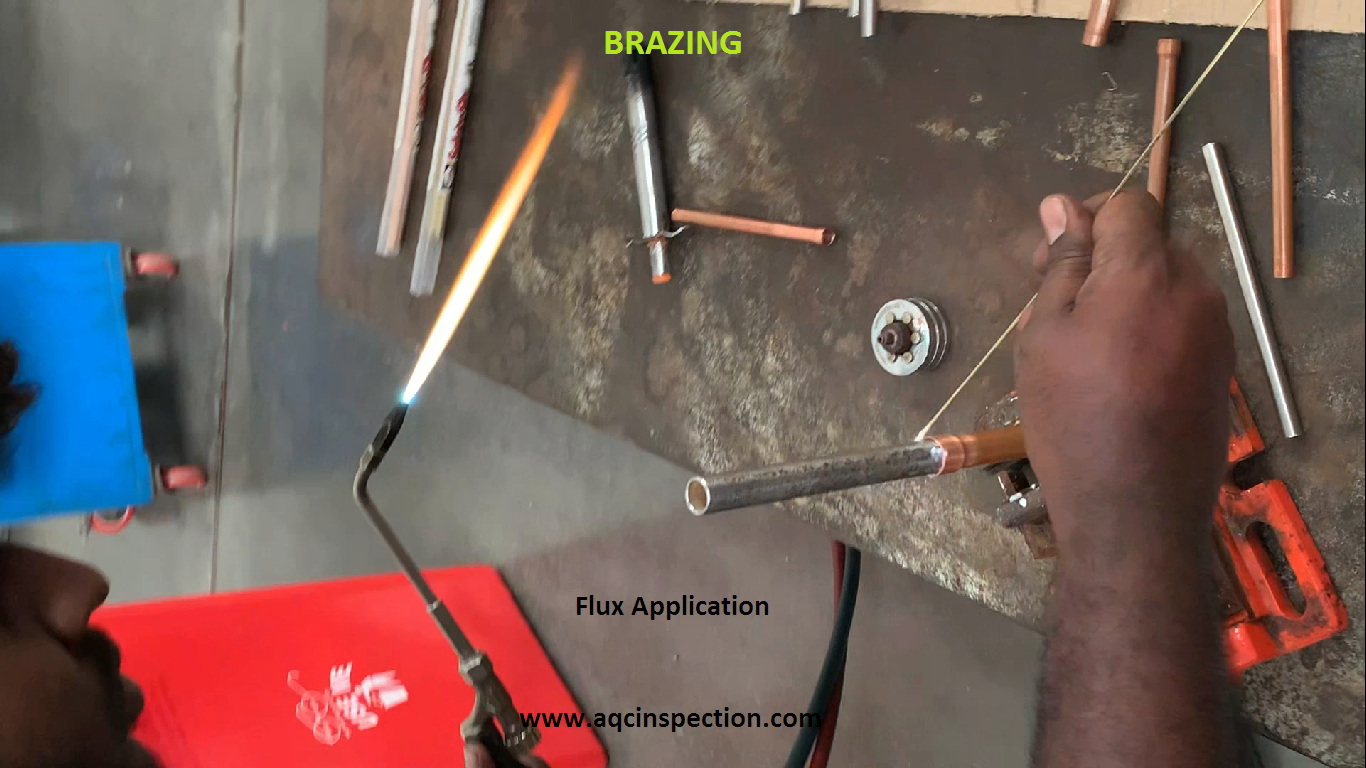
While not as intensely hot as Acetylene, Propane is super versatile. It’s often easier to find and very cost-effective. It's like the trusty SUV of fuel gases – always gets the job done.
The flame from Propane is a bit softer, making it great for different applications. It allows for a slightly slower, more controlled heating process. Perfect for those who are learning or working on delicate pieces.
Imagine carefully coaxing the filler metal to flow with a gentle Propane flame. It's a rewarding experience, seeing the bright silver or copper join form. This gas proves that you don't always need extreme power to achieve perfection.
MAPP Gas (or similar blends): The Best of Both Worlds
Now, for something in between: MAPP gas (or other proprietary fuel gas blends). It offers a brilliant balance of heat and convenience. It’s hotter than Propane but often safer and more stable than Acetylene.
Think of MAPP gas as the agile crossover vehicle. It's fast enough for many tasks but still easy to handle. This makes it a favorite for many brazing enthusiasts.
The steady, blue flame of MAPP gas is a beautiful sight. It heats metal quickly, allowing the filler to flow with grace. It strikes a perfect chord between raw power and refined control.
Using MAPP gas feels empowering, knowing you have ample heat without the fuss. It's perfect for tackling home repairs or creative metalwork projects. It makes brazing accessible and wonderfully satisfying.
The Flame Enhancer: Oxygen
You can't have a truly hot, focused flame with just fuel gas alone. You need a friend to make it burn bright! That friend is Oxygen.
Oxygen isn't just for breathing; it’s essential for brazing. When mixed with a fuel gas, it supercharges the flame. It transforms a gentle flicker into a scorching, focused jet.
Without Oxygen, your fuel gas flame would be weak and smoky. It wouldn't have enough punch to properly heat the metals. Oxygen is the magic ingredient that unlocks extreme heat.
The adjustable valve on an Oxygen tank is like a conductor's baton. You fine-tune the mix of fuel and Oxygen to get the perfect flame. This precision is what makes brazing such a skilled and artful process.
Watching the flame change from a soft yellow to a sharp, brilliant blue with added Oxygen is a dramatic transformation. It's a visual cue that you're ready to create a strong, clean bond. This gas truly elevates the power of the torch.
The Invisible Guardians: Shielding Gases
Now, imagine your beautiful molten metal getting all dirty from the air. That would ruin the bond! That's where our silent heroes, the shielding gases, come in.
These gases create an invisible blanket around the heated area. They push away unwanted elements like atmospheric oxygen and nitrogen. This keeps your joint clean, strong, and beautiful.
Nitrogen: The Reliable Protector
Nitrogen is a common and highly effective shielding gas. It’s everywhere around us (about 78% of the air we breathe!). But in brazing, it plays a specific protective role.
It’s often used when brazing copper pipes, for example.
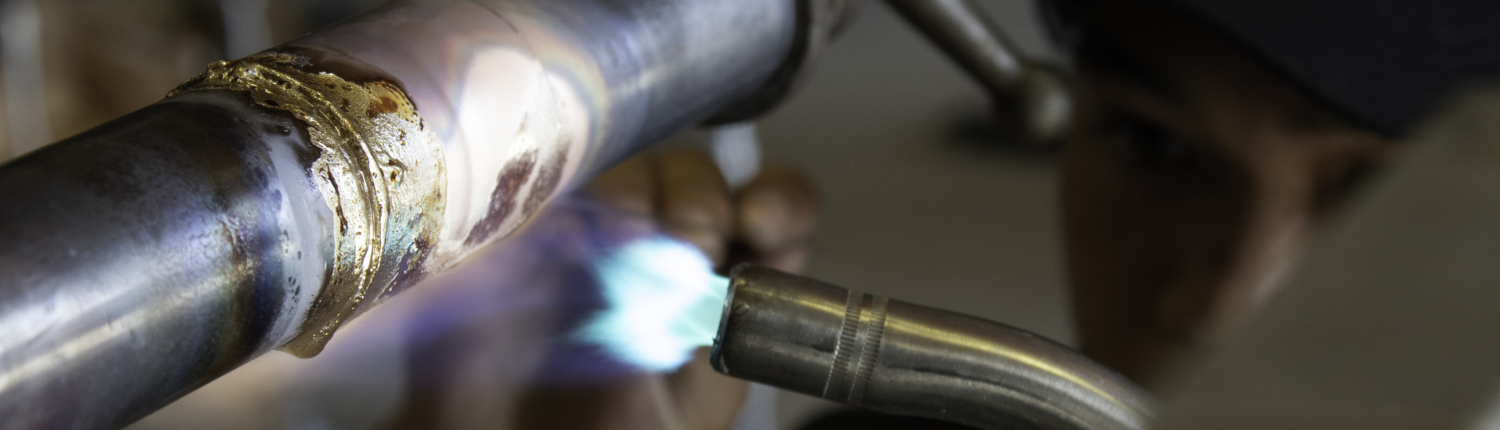
When pumped through the pipe, Nitrogen purges out oxygen inside. This prevents nasty oxides from forming.The result is a wonderfully clean internal surface, crucial for flow.
Seeing the clean, unblemished surface after using Nitrogen is proof of its power. It ensures the integrity of the brazed joint from the inside out. This gas is a true unsung hero of many practical applications.
It's like having an invisible bodyguard for your metal. It quietly does its job, ensuring a flawless outcome. This simple gas makes a world of difference in quality.
Argon: The Premium Shield
For really special, high-quality brazing, especially with certain metals like stainless steel, we turn to Argon. This is a noble gas, meaning it's super unreactive. It's the premium shielding solution.
Imagine bathing your molten metal in a pure, protective cloud. That's what Argon does, creating an utterly pristine environment. It prevents any unwanted chemical reactions, leaving a perfect finish.
The smooth, shiny surface you get with Argon shielding is truly impressive. It’s a mark of craftsmanship and attention to detail. This gas helps create joints that are not just strong but also beautiful.

Using Argon feels like giving your brazing project the VIP treatment. It ensures maximum strength and corrosion resistance. It's a gas that speaks volumes about quality and precision.
The Wonder of Gases in Action
So, you see, brazing isn't just about a torch and some metal. It's a fascinating dance of carefully chosen gases. Each plays a vital part in the captivating process.
From the roaring heat of Acetylene and Oxygen. To the gentle persuasion of Propane and its helpers. And the silent protection of Nitrogen and Argon.
The interplay of these gases creates stunning visual effects. You witness metal glow, flow, and solidify into a new form. It's a truly elemental and satisfying experience.
The sheer precision and artistry involved make it so special. You’re not just joining metal; you’re creating something durable and often beautiful. It’s a skill that combines science, focus, and a touch of magic.
Perhaps you’ve seen someone brazing pipes or making metal art. Next time, you’ll know the amazing gas story behind the flame. It’s a hidden world of power and protection, all from simple gases.
Feeling curious? Maybe you’ll even want to try it out one day! The world of brazing awaits, powered by its incredible gas cast. It's more than just a technique; it's a spectacle.