
What Gas To Mig Welders Use
Alright, settle in, grab your imaginary coffee (or perhaps a fizzy drink, given our topic!), because we're about to dive into one of the great unsung heroes of the welding world. You see, when most folks picture MIG welding, they imagine sparks flying, the glow of molten metal, and maybe a cool helmet. And sure, those are all parts of the glorious dance.
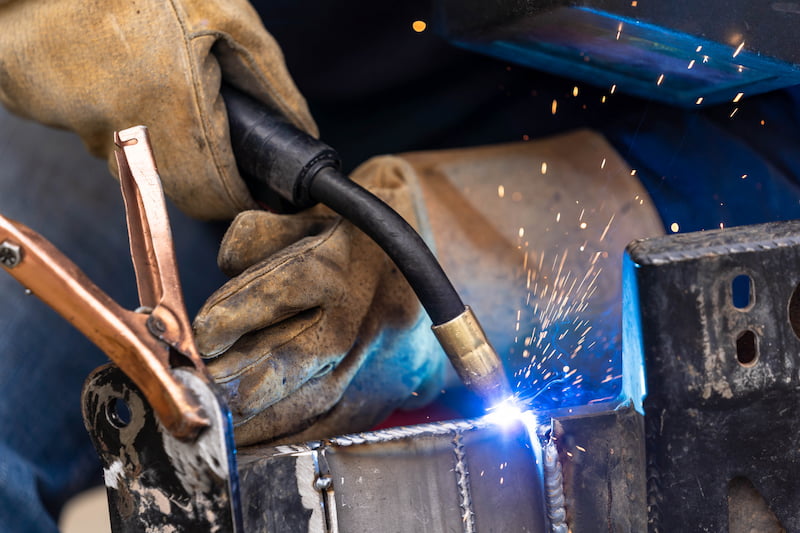
But there's an invisible bodyguard doing some seriously heavy lifting, protecting that molten puddle from atmospheric nasties like oxygen and nitrogen, which would turn your beautiful weld into a brittle, porous mess. We're talking about shielding gas, folks! And no, it's not just "air in a tank." Oh, if only it were that simple! Choosing the right gas is like picking the perfect wingman for your metal, and getting it wrong can lead to some seriously embarrassing welding dates.
The Big Shot: CO2 (Carbon Dioxide)
Let's start with the OG, the workhorse, the gas equivalent of that gruff but reliable friend who's always there when you need them, even if they're a little rough around the edges. We're talking about pure Carbon Dioxide (CO2). Yes, the very stuff that gives your soda pop its fizz and plants their sustenance! Who knew it was also a welding champion?
Must Read
CO2 is fantastic for a few reasons. Firstly, it’s often the cheapest option out there. Like, significantly cheaper. Think of it as the budget-friendly bouncer. Secondly, it provides excellent penetration, meaning it digs deep into the metal, which is great for thicker stuff and getting strong welds. It also handles mill scale pretty well, so if your metal isn't surgically clean, CO2 might be more forgiving.
However, CO2 has a bit of a… personality. It’s known for producing a lot of spatter. Imagine a tiny fireworks show around your weld puddle – that’s CO2. It can also create a slightly harsher arc and a stiffer, less smooth bead. Not ideal if you're going for that flawless, magazine-cover finish. It’s like the loud talker at the party; effective, but a bit much.
The Smooth Operator: Argon
Now, if CO2 is the bouncer, then pure Argon is the suave, sophisticated maître d'. Argon is an inert gas, meaning it doesn't react with the molten metal at all. It just creates a perfectly calm, protective bubble. It's the silent guardian, the watchful protector.
When you use pure argon, you're looking at some seriously smooth, clean welds with very little spatter. The arc is stable and calm, almost meditative. This makes it the absolute undisputed champion for welding aluminum and other non-ferrous metals. Try welding aluminum with CO2, and you'll likely end up with a porous, ugly mess that looks like it lost a fight with a cheese grater. Argon is also great for thinner materials where deep penetration isn't your main goal.
The catch? Argon is more expensive than CO2. A fair bit more. And while it gives you beautiful, clean welds, it doesn't offer the same deep penetration as CO2, especially on thicker steel. It's like having a luxury car – it's smooth and beautiful, but maybe not the best for off-roading.
The Perfect Blend: Argon/CO2 Mixes
Alright, so we have the rough-and-tumble workhorse and the sophisticated smooth operator. What if you want the best of both worlds? What if you want a reliable friend who cleans up nicely for dinner? Enter the Argon/CO2 mixes – the power couples of the welding gas world!
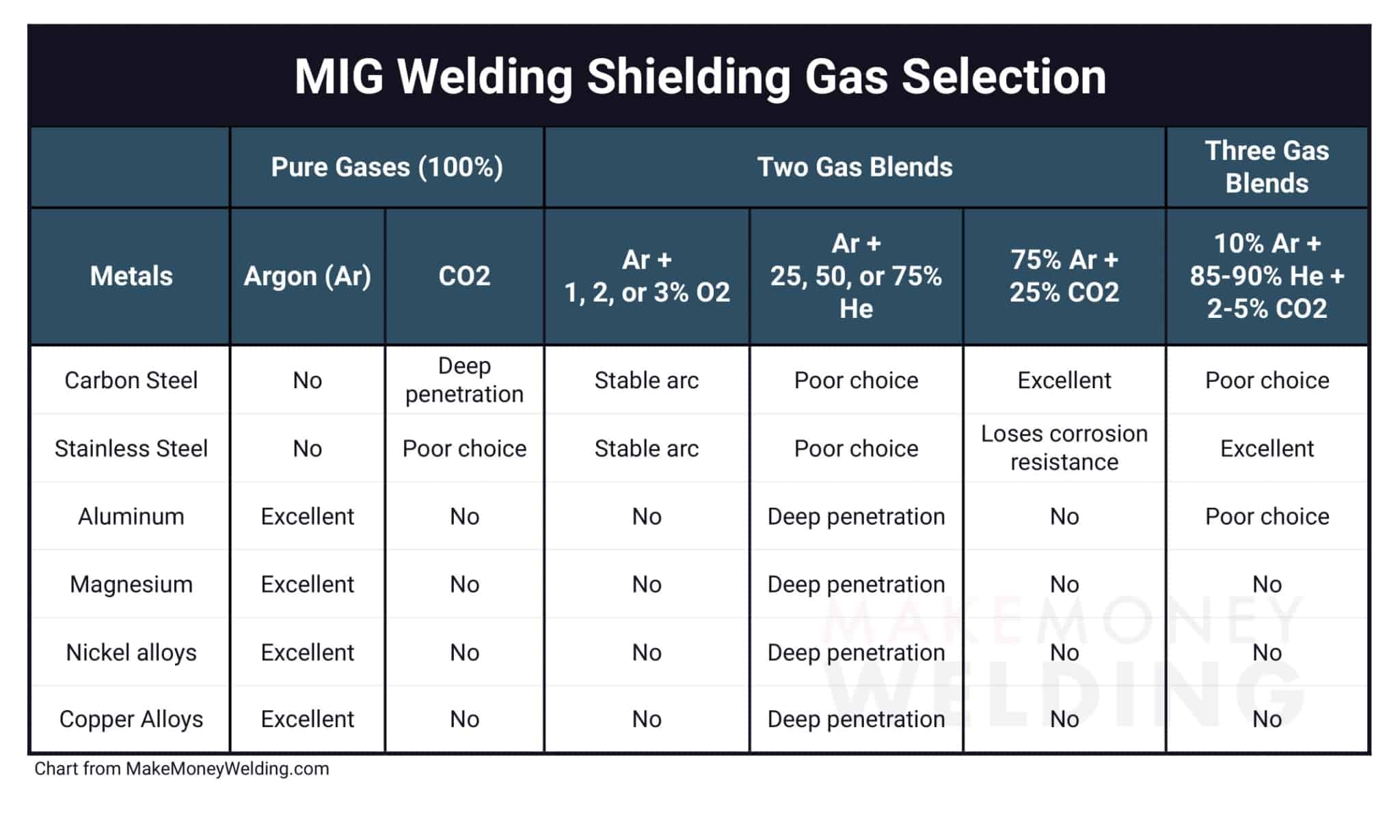
The most popular mix by far is 75% Argon / 25% CO2, often affectionately called "C25." This is the go-to for most general-purpose MIG welding on mild steel and stainless steel. It offers a fantastic balance: you get some of that deep penetration from the CO2, but the argon significantly reduces spatter and gives you a much smoother, nicer-looking weld bead.
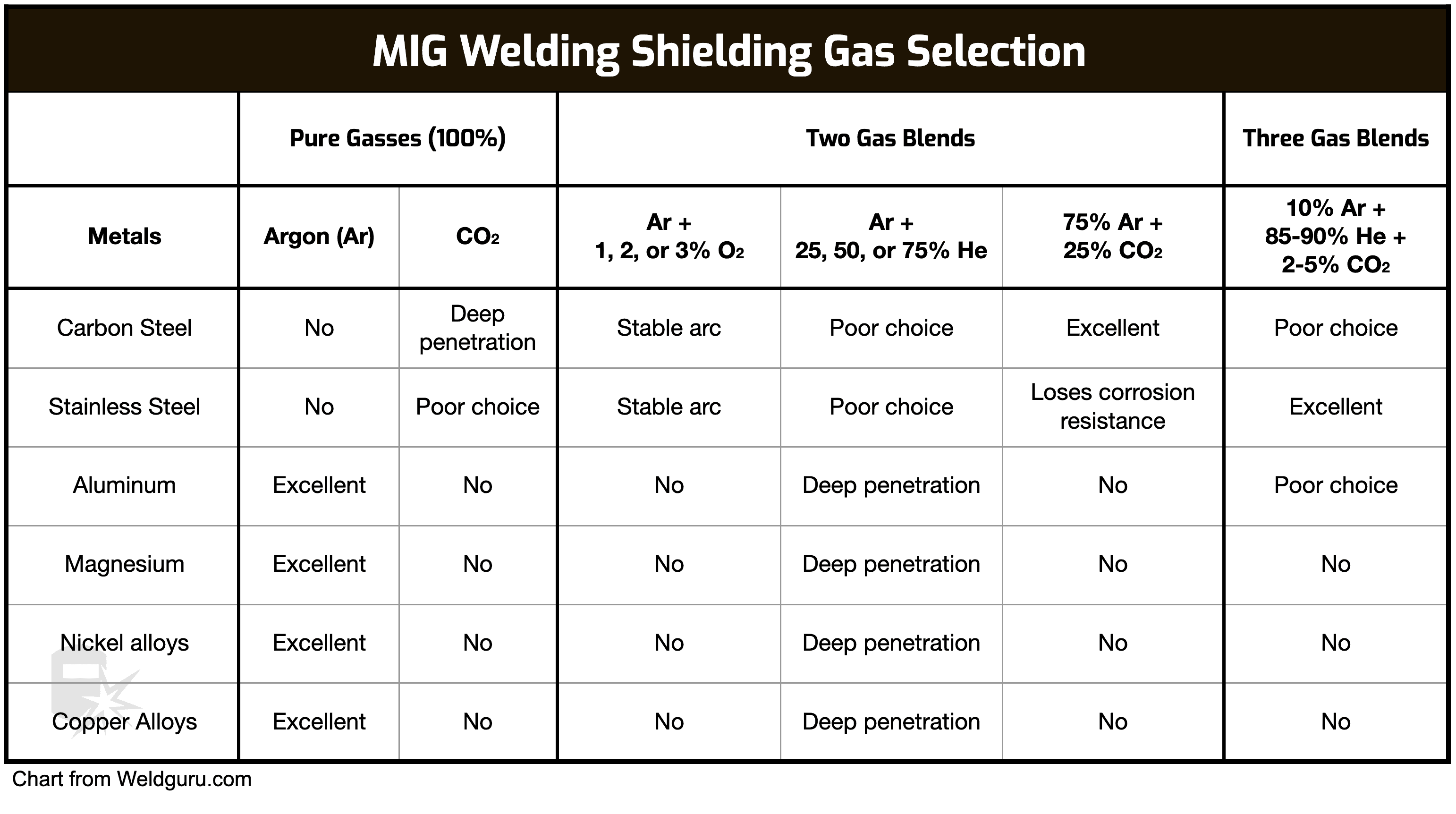
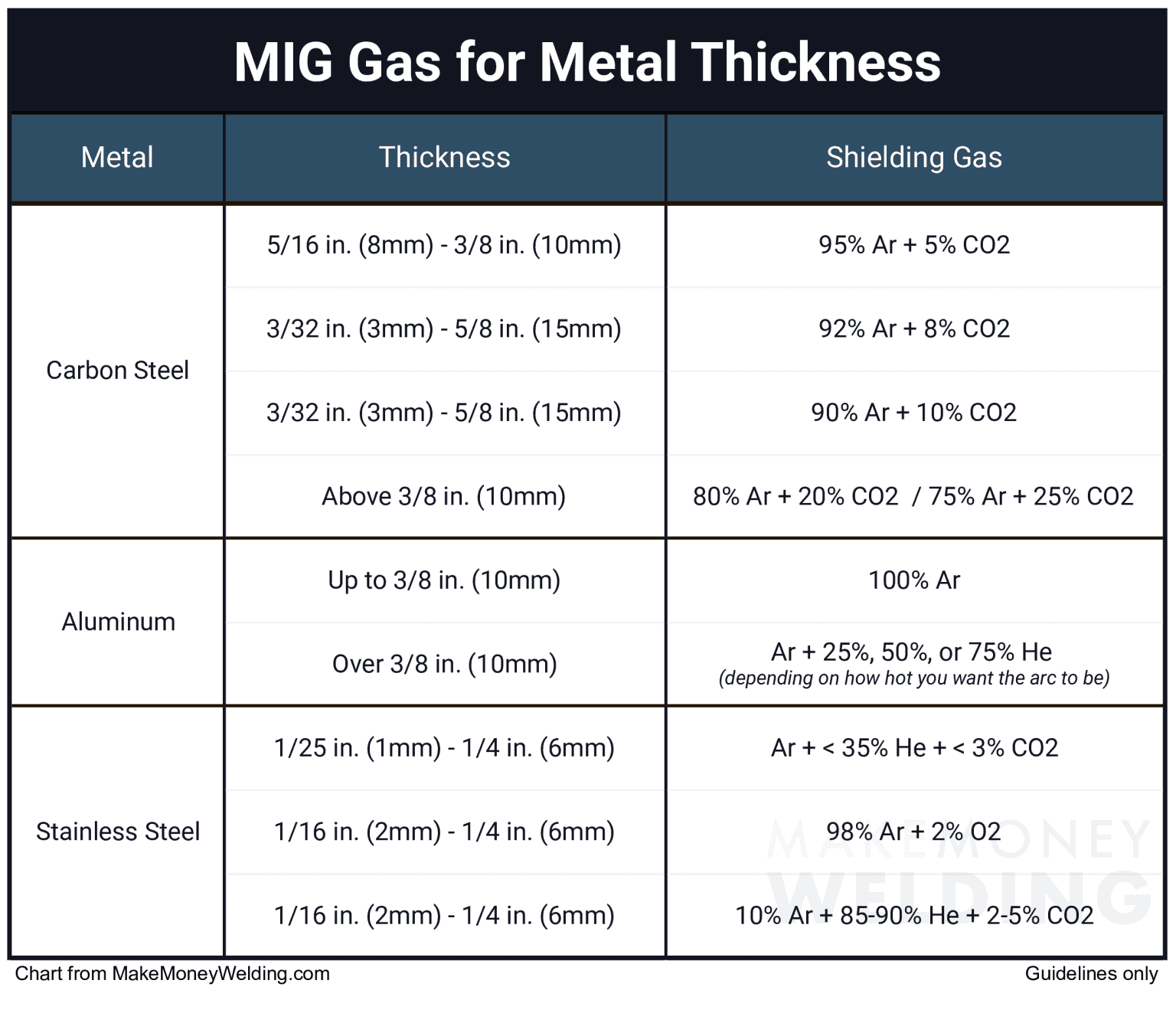
Other popular mixes include 80/20 Argon/CO2 and 90/10 Argon/CO2. As you increase the argon percentage, you generally get less spatter and a smoother bead, but you might sacrifice a tiny bit of penetration and pay a little more. These mixes are all about finding your personal sweet spot, like choosing how much cream and sugar to put in your coffee. Just remember: for aluminum, you're still sticking with the pure argon. No mixing it up there, unless you want trouble!
The Niche Players (Quick Mentions)
Beyond the main trio, there are other specialized gases. For instance, some folks welding stainless steel in certain situations might use Argon/Oxygen mixes (like 98% Argon / 2% Oxygen) for even smoother spray transfer. And if you're trying to weld really thick aluminum super fast, you might see Argon/Helium mixes, but be warned – Helium is expensive enough to make your wallet weep.
Why Does This Invisible Stuff Even Matter?
So, why all this fuss about gas? It's literally the difference between a strong, reliable weld and a total disaster. Without shielding gas, the molten metal puddle would be exposed to the atmosphere. Oxygen would react with the hot metal, causing oxidation and porosity (tiny holes that weaken the weld). Nitrogen would cause embrittlement and also porosity.

The shielding gas creates a mini-dome of protection around the arc and the molten puddle, keeping those atmospheric villains out. It also helps stabilize the arc, making it easier to control and ensuring a consistent weld. Think of it as the force field that keeps your weld from falling apart faster than a cheap tent in a hurricane.
So, How Do You Pick Your Gas Gaffer?
It boils down to a few simple questions:
- What metal are you welding? If it’s aluminum, it’s pure argon. Steel or stainless? Then CO2 or an Argon/CO2 mix is your buddy.
- How thick is the metal? Thicker stuff generally benefits from the penetration of CO2 or high-CO2 mixes. Thinner stuff is happy with more argon.
- How pretty do you want the weld? If flawless aesthetics are key, lean towards more argon. If you're just trying to stick two pieces of metal together and don't mind a bit of cleanup, CO2 might be fine.
- What’s your budget? CO2 is cheapest, pure argon is priciest, and the mixes are in between.
There you have it! The not-so-secret secret behind great MIG welds isn't just the machine or the wire; it's the invisible, unsung hero of the gas cylinder. So next time you see a welder laying down a perfect bead, give a silent nod to the humble shielding gas. It's truly a breath of fresh... well, you know, gas, for the metal. And remember, don't just grab any old tank – choose your gas wisely, or your welds might just spontaneously combust from embarrassment!