
What Gas For Aluminum Welding

Alright, gather 'round, folks! Pull up a virtual chair, grab your imaginary latte, because we're about to dive into one of the great mysteries of the metalworking universe: What gas do you use for aluminum welding?
If you've ever tried to weld aluminum without knowing the secret handshake (aka the right shielding gas), you probably ended up with something that looked less like a professional weld and more like... well, let's just say a pigeon might have had an unfortunate incident on your workpiece. And you'd be scratching your head, wondering, "Did I offend the metal gods? Is my welder broken? Or did I just forget to sacrifice a small goat?"
Fear not, my friends, the answer is usually much simpler, and thankfully, goat-free. The problem often lies in your choice of gas. Because when it comes to aluminum, it's a bit of a diva. A very reactive, oxygen-hating diva.
Must Read
The Diva That Is Aluminum (And Its Arch-Nemesis: Oxygen)
You see, aluminum, bless its shiny heart, instantly forms an oxide layer when exposed to air. Think of it like a superhero putting on its costume the moment it smells trouble. Except this "costume" is brittle, has a higher melting point than the aluminum itself, and generally makes your welding life a living nightmare.
Your shielding gas's job? To act like a microscopic, invisible force field, pushing away all those nasty atmospheric enemies (oxygen, nitrogen, humidity – they're all out to get you!) and letting your molten aluminum solidify in peace, pristine and strong. Without the right gas, you'll get porosity, weak welds, and a whole lot of frustration. It’s like trying to bake a soufflé in a hurricane without a lid. Disaster!
Introducing Our Champion: Argon!
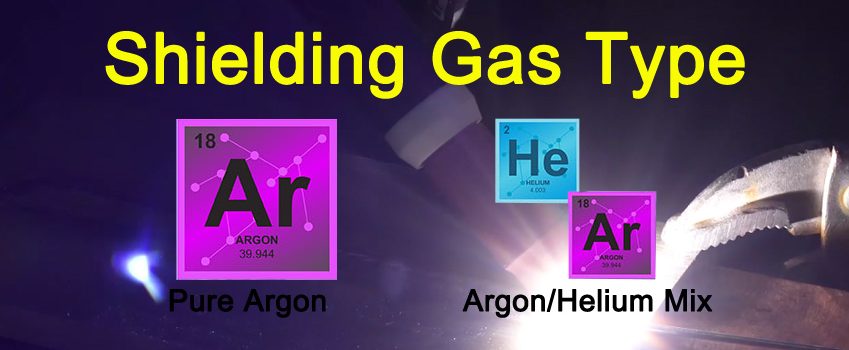
Alright, drumroll please! For 99% of your aluminum welding needs, whether you're TIG welding or MIG welding, the undisputed, heavyweight champion of shielding gases is... Argon!
"Argon?" you might ask, picturing some dusty element from a high school chemistry textbook. Yes, Argon! It's a noble gas, which isn't just a fancy way of saying it's well-mannered; it means it's incredibly unreactive. It just sits there, minding its own business, while doing the heroic work of shielding your weld. It’s like the silent, stoic bodyguard who never says a word but keeps you safe from all threats.
Why Argon?

- It’s Heavy: Argon is denser than air, so it effectively blankets your weld puddle, pushing away the lighter, more nefarious atmospheric gases. Think of it as a heavy, invisible blanket of protection.
- Great Arc Stability: It provides a smooth, stable arc, which is crucial for clean, consistent welds. No twitchy, jumpy arcs here!
- Excellent Cleaning Action: Especially for AC TIG welding, Argon helps with the "cleaning action" that blasts away surface oxides, making your life infinitely easier. It's like a tiny, invisible scrub brush for your metal.
- Cost-Effective: Compared to some of its fancier cousins, Argon is generally affordable and widely available.
So, for most hobbyists, small fabricators, and general aluminum welding, a cylinder of 100% Argon is your golden ticket. Stick with it, and your aluminum will thank you with shiny, strong welds.
The Fancy Upgrade: Argon-Helium Mixes (For Thicker Stuff)
Now, what if you're tackling really thick aluminum? Like, "I'm building a spaceship out of aluminum" thick? Or you just want to weld faster? That's when Argon sometimes needs a sidekick, a slightly more rambunctious partner in crime: Helium!
Helium, as you know from party balloons, is light. And when mixed with Argon (think 75% Argon / 25% Helium, or even 50/50 for serious heat), it brings a whole lot more heat to the party. This means:

- Deeper Penetration: Crucial for thicker materials where you need the weld to go deep.
- Faster Travel Speed: Who doesn't want to weld faster? Helium helps you zip along.
- Wider Beads: Can create a broader, flatter bead profile.
However, there's a catch (isn't there always?). Helium is lighter, so it’s not as good at blanketing the weld as pure Argon. You often need a higher flow rate, which means you'll burn through that expensive gas faster. Plus, the arc can be a bit more erratic, and it takes some getting used to. Think of it as trading a reliable sedan for a high-performance sports car – thrilling, but requires more skill and costs more at the pump.
For MIG welding aluminum, you'll still stick mostly to 100% Argon. While some Argon-Helium mixes exist for MIG, they're less common and generally only for very specific industrial applications. For 99% of you, the Argon purity ring remains firmly on your finger for MIG.
The Gases You Should Absolutely NOT Use for Aluminum
Just as there are heroes, there are villains. These are the gases that will turn your beautiful aluminum dreams into a nightmare faster than you can say "porosity."
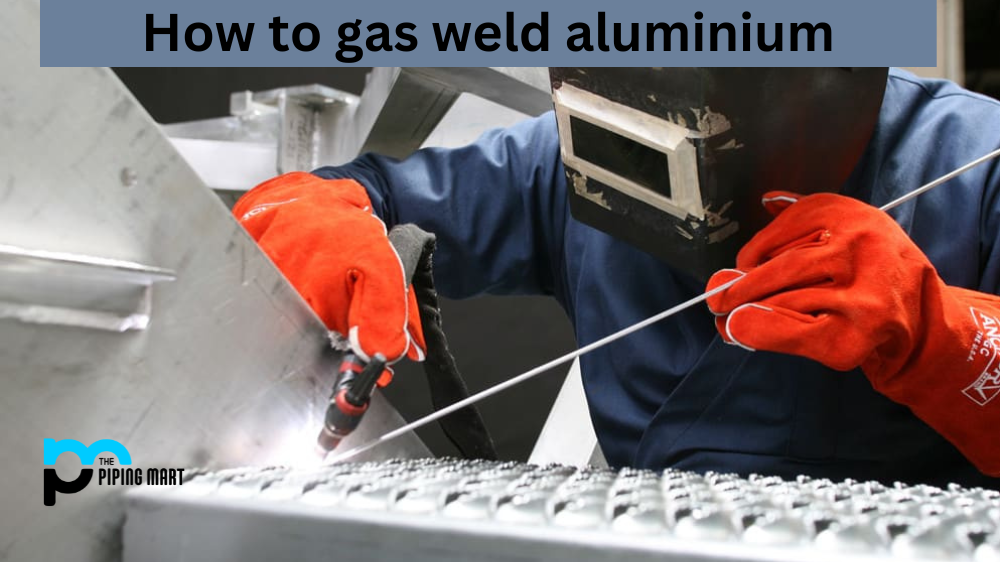
- CO2 (Carbon Dioxide): Excellent for steel! Catastrophic for aluminum. It will react with the aluminum, leading to terrible, dirty, weak welds. It's like bringing a steak knife to a sushi bar – completely the wrong tool.
- Argon-CO2 Mixes: See above. Still a no-go.
- Oxygen: Are you trying to make an aluminum campfire? Because that’s what this would do. A definite no.
- Nitrogen: While inert at lower temperatures, it reacts with molten aluminum to form nitrides, making your weld brittle and weak. Steer clear!
The Takeaway: Keep It Simple, Stupid (Mostly)
So, what's the grand wisdom here? For nearly all your aluminum welding adventures, whether it's TIG or MIG, reach for that cylinder of 100% Argon. It's reliable, effective, and won't break the bank.
If you're tackling monstrously thick aluminum or just feeling fancy and want to weld faster, and you're TIG welding, then an Argon-Helium mix might be your ticket to the big leagues. Just be prepared for the extra cost and a slightly more temperamental arc.
Now you know the secret! Go forth, my welding comrades, and conquer that aluminum. May your welds be shiny, strong, and forever free from the tyranny of atmospheric contamination! And remember, no goats necessary. Unless you really want to weld one, but that's a whole other article.