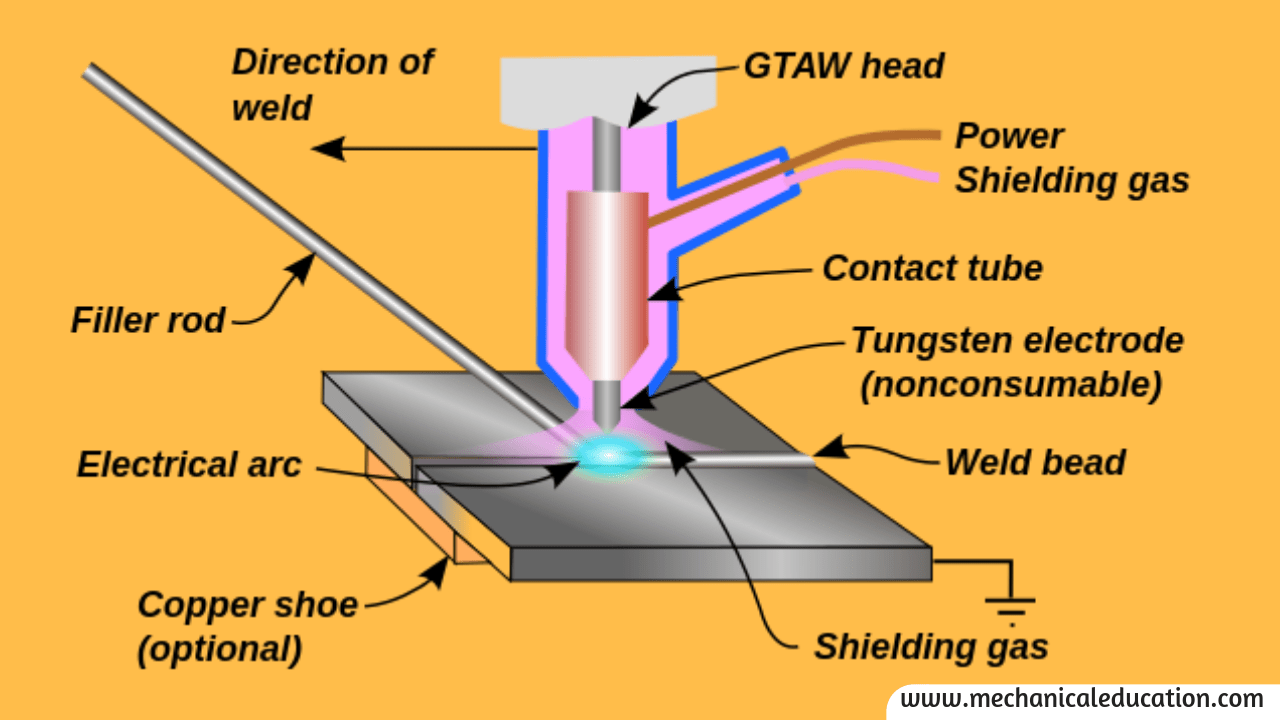
What Gas Does Tig Welding Use
Ever peeked over a welder's shoulder and seen those mesmerizing sparks fly? Maybe you've watched a pro TIG welding, laying down beads so perfect they look like stacks of shiny dimes. It's truly an art form! But have you ever stopped to wonder, amidst all that glowing magic, what's actually protecting that delicate, molten metal? It's not fairy dust, folks, though sometimes it feels like it!
We're diving into the secret sauce, the unsung hero, the invisible bodyguard of TIG welding. And trust me, it’s not what you might expect if you’re new to the game. Forget oxygen tanks or propane—those are for burning things. We're talking about something entirely different. Something… lazy.
The Superstar: Argon, the Couch Potato of Gases!
Alright, drumroll please! The gas that TIG welding uses, 99.9% of the time, is Argon. Yes, you read that right. Argon. Sounds a bit like a villain from a sci-fi movie, doesn't it? But in the world of welding, Argon is the ultimate good guy. It's the silent protector, the unsung hero, keeping all that beautiful metal from going totally bonkers.
Must Read
So, what makes Argon so special? Well, it's an "inert gas." Now, "inert" might sound a bit boring, like that one friend who just sits there, but in Argon's case, it's its superpower! Inert means it's super chill. It doesn't want to react with anything. It’s like the ultimate couch potato – it just wants to sit there and not do anything. And that's exactly what you want when you're melting metal!
When you're TIG welding, you've got this super-hot, glowing puddle of molten metal. Think of it like a tiny, extremely fragile pool of liquid steel or aluminum. The air around us, which we usually don't give a second thought to, is full of stuff like oxygen and nitrogen. If these elements touch that molten metal, they'll instantly try to bond with it, creating all sorts of nasty impurities, bubbles, and a really ugly, weak weld. It's like trying to bake a fancy cake in a dust storm – disaster!

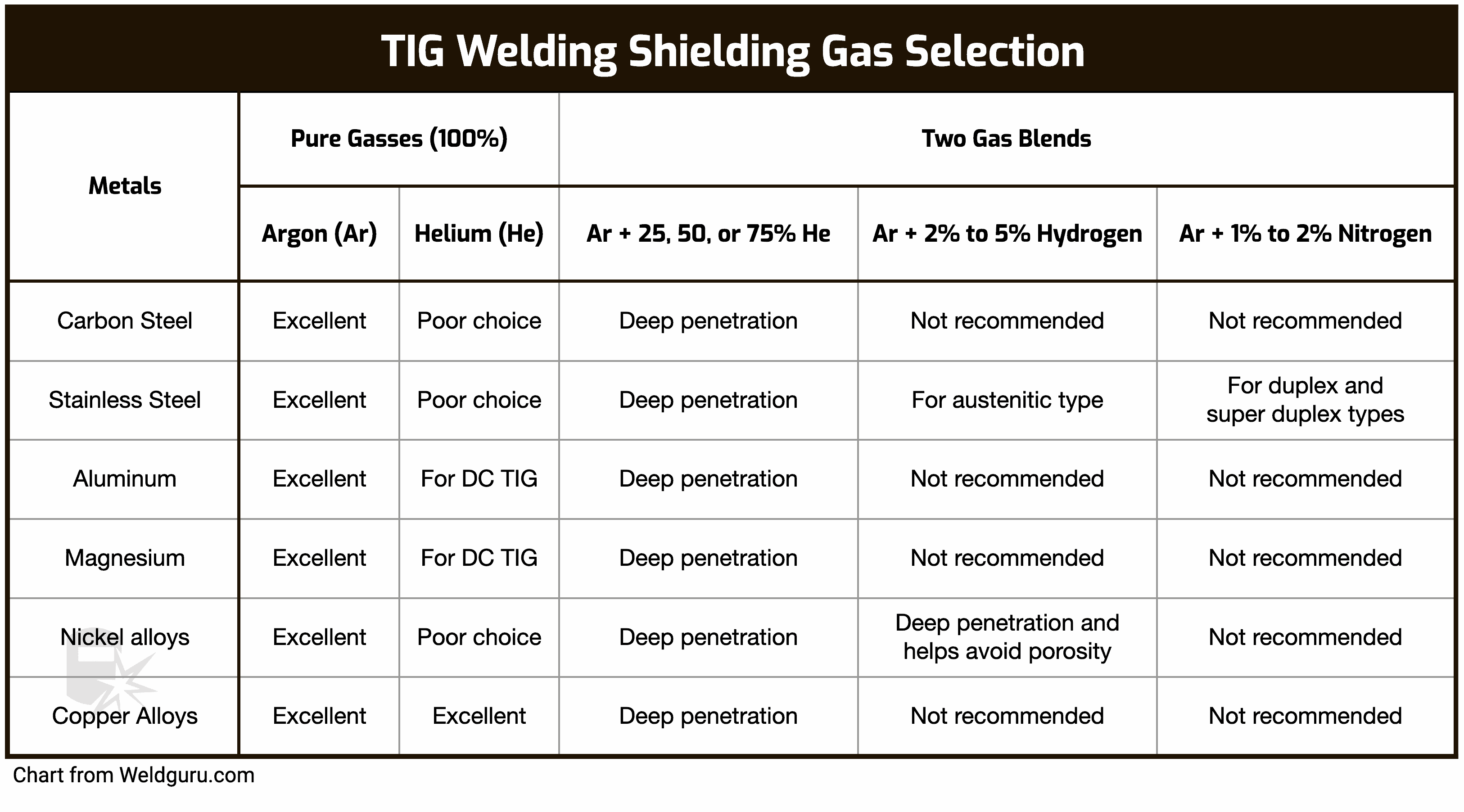
That's where Argon swoops in (or rather, gently flows in). A steady stream of Argon gas is directed right over that molten puddle, creating an invisible shield. It pushes all the naughty oxygen and nitrogen away, creating a safe, clean bubble where your metal can solidify perfectly. No fuss, no drama, just pure, beautiful, strong welds. It's essentially putting a tiny, invisible force field around your work.
Why Argon is Just So Cool (and Effective!)
Beyond its "lazy" nature, Argon has a few other fantastic qualities that make it the undisputed champion of TIG welding gases:
- It's Heavy: Argon is heavier than air. This is a big deal! When it flows out of your TIG torch, it naturally blankets the weld area, staying put and effectively pushing lighter air molecules away. It doesn't just float off into the ether like a lost balloon. Smart, right?
- It's Abundant (Sort Of): Believe it or not, Argon makes up about 1% of the Earth's atmosphere! We literally breathe it in every day. Of course, separating it from all that nitrogen and oxygen requires some fancy industrial processes (think really cold air and distillation), but the raw material is literally everywhere.
- It's Not Flammable: This might seem obvious for an inert gas, but it's a huge safety bonus. You're dealing with extreme heat; the last thing you want is your shielding gas adding fuel to the fire! Argon just sits there, doing its job, utterly unimpressed by the inferno it's protecting.
- It Gives You a Stable Arc: Argon helps create a very stable, concentrated arc, which is crucial for the precision TIG welding is famous for. This means better control, fewer wobbles, and those perfectly stacked dimes.
Imagine trying to weld without it! You'd end up with a weld full of holes (we call that porosity, and it's a big no-no), looking like chewed gum, and weaker than a wet paper bag. It would be a messy, ugly, disappointing failure. So, Argon isn't just a nice-to-have; it's an absolute must for TIG welding.
Are There Other Gases? (A Quick Peek!)
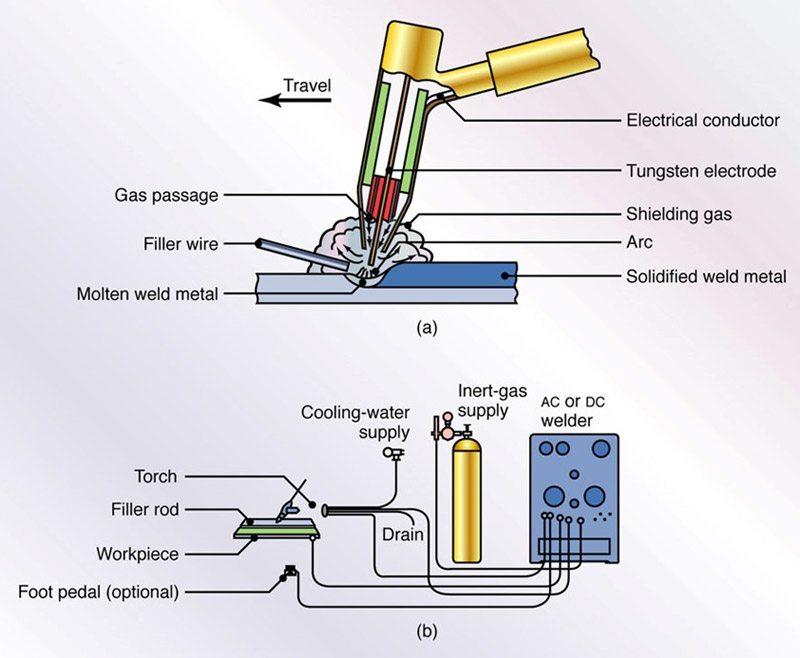
While Argon is the undisputed king, sometimes it brings a friend along to the party, or occasionally steps aside for a specialized guest. The main "other guy" you might hear about is Helium.
Helium, you know, the stuff that makes your voice squeaky and balloons float away? It's also an inert gas, but it behaves quite differently to Argon. Helium creates a much hotter arc. Why would you want that? Well, for really thick materials, or metals that are super good at conducting heat (like copper), a hotter arc can be a lifesaver. It helps you get good penetration and melt through stubborn stuff.

However, Helium is much lighter than air, so it tends to float away faster. This means you need to use a lot more of it, and it's also more expensive. So, Helium is usually reserved for those tricky, heavy-duty jobs where Argon just isn't quite cutting it. Sometimes, welders even use Argon-Helium mixes to get the best of both worlds – a stable arc with a bit of extra oomph!
Why This Is Actually Kinda Fun to Talk About!
So, why spend time chatting about an invisible, inert gas? Because it's a fantastic example of how simple, everyday science powers incredibly complex and beautiful craftsmanship! It shows that even the most seemingly mundane elements have a starring role to play. It’s a hidden layer of engineering genius that allows welders to create everything from custom car parts to spacecraft components.
The next time you see a TIG welder in action, remember the humble Argon gas, tirelessly doing its job, creating that pristine, protected environment for the molten metal. It’s a quiet miracle, really. A silent guardian, a watchful protector, an inert hero, ensuring every weld is not just strong, but a thing of beauty. Pretty cool for a couch potato, right?