
What Gas Does Plasma Cutter Use
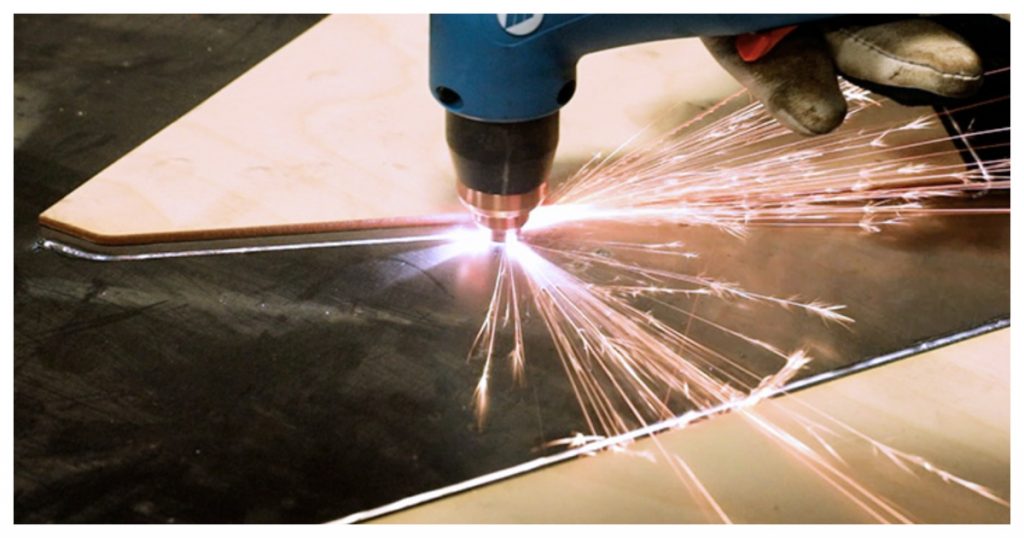
Alright, settle in, folks. We're about to dive into the fiery world of plasma cutters. You know, those amazing tools that zap through metal like a hot knife through butter. It's pretty cool, right?
But there's always one question that pops up, whispered in hushed tones, almost like a secret. "What gas does that thing even use?" People imagine some super-secret, classified fuel, probably bottled on Mars.
Well, get ready for my truly unpopular opinion. And you might just agree with me by the end. Are you ready for it?
Must Read
"Most people way, way, WAY overthink the gas in a plasma cutter. It's often just... air."
Yep, you heard me. The same stuff you're breathing right now. It's not always exotic space-fuel. Sometimes, it's just good old, readily available, utterly free air.
The Unsung Hero: Good Ol' Air
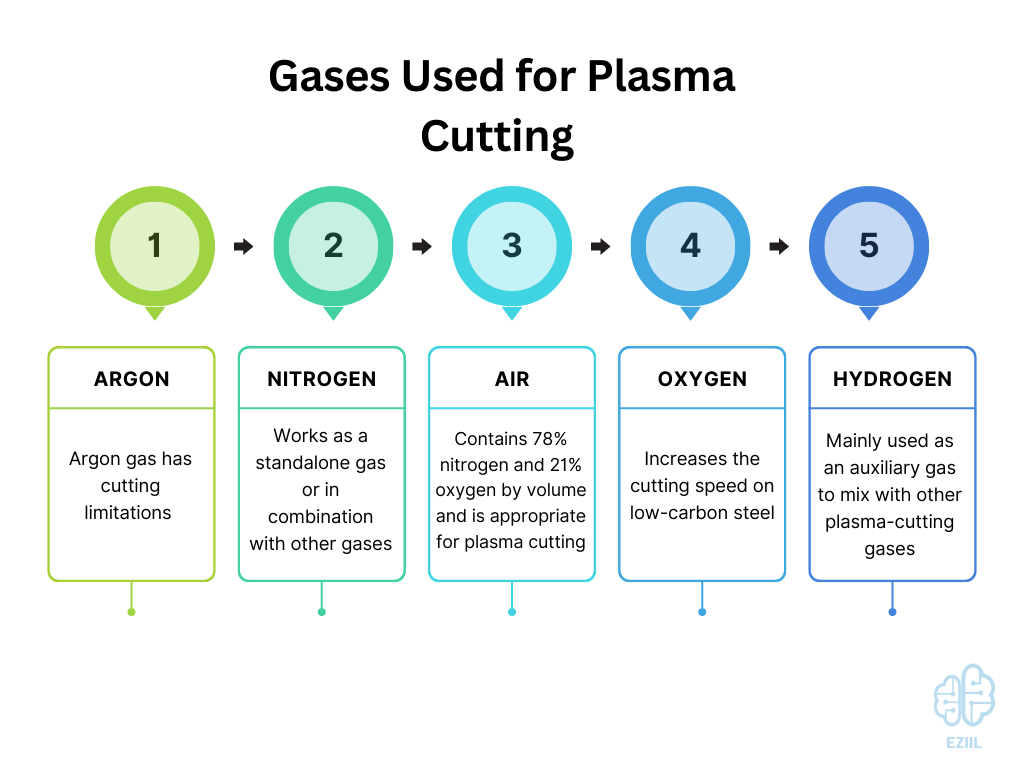
Let's talk about air for a second. It's the ultimate multitasker, isn't it? We breathe it, bikes use it, even some fancy bouncy castles are full of it. And guess what? A huge chunk of plasma cutters love it too.
Think about it. You just plug in an air compressor, and boom! You've got an endless supply of gas. No special tanks, no trips to the industrial gas supplier on a Sunday afternoon. Just pure, unadulterated convenience.
My humble opinion is that air is the ultimate champion for the everyday warrior. It's economical, it's easy, and it gets the job done for most common metals and thicknesses. It’s the Honda Civic of plasma gases – reliable and practical.
Now, I know what you're thinking. "But doesn't air have... well, stuff in it?" Absolutely! It's got nitrogen, oxygen, a little argon, even some water vapor. But for many plasma cutting tasks, this everyday mix is absolutely perfect.
It's like using tap water for your coffee instead of artisanal spring water from a glacier. Most of the time, tap water does just fine. And your wallet certainly agrees!
When Air Gets a Makeover: Nitrogen
So, if air is so great, why bother with anything else? Ah, my friend, sometimes you want a little more finesse. Or maybe you're cutting something specific, like shiny aluminum or stainless steel, where oxygen might cause a bit of a fuss.
That's where nitrogen steps in. Think of it as air, but without the oxygen. It’s like taking all the spicy bits out of your favorite snack to make it a bit milder. Still good, just different.
Nitrogen provides a very clean cut, especially on non-ferrous metals. It's great for keeping those shiny surfaces looking... well, shiny. No nasty oxidation to deal with afterwards.
It’s a popular choice for precision work and when you want a really smooth edge. So, if you're working on something that needs to look pretty straight off the cutter, nitrogen might be your go-to.

The Oxygenator: For the Steel Lovers
Now, for those of you who just love cutting through good old carbon steel, there's another player. And this one might surprise you, given what I just said about nitrogen.
Enter oxygen. Yes, the very thing we sometimes try to avoid. But for steel, oxygen is a superstar. It actually helps the cutting process by reacting with the molten steel. It's like adding fuel to the fire, but in a good way.
Using oxygen as your plasma gas can give you faster cuts and a really nice, clean edge on steel. It's especially good for thicker carbon steel where you need that extra kick. Think of it as the turbo boost for steel cutting.
My "unpopular opinion" here is that people get spooked by using oxygen, thinking it's always dangerous or complex. But for steel, it's often the best choice for a beautiful cut. Don't let the name scare you!
The Heavy Hitters: Argon-Hydrogen & Mixtures
Okay, now we're getting into the truly fancy stuff. The gases that show up when you need to cut super thick metal or those tricky, high-alloy materials. This is where my initial "unpopular opinion" starts to bend a little.
Meet argon-hydrogen. This dynamic duo is like the superhero team of plasma gases. The hydrogen part makes the plasma super hot and powerful, allowing it to cut through really thick metals with ease.
The argon is there to stabilize the arc. It's like having a steady hand guiding that super-hot flame. Together, they make short work of tough stuff like thick aluminum or stainless steel. This gas isn't for dabbling; it's for serious metal-munching.
Then there are various mixtures. Imagine a bartender, but instead of cocktails, they're mixing gases for optimal cutting. You can find combos like nitrogen-hydrogen, or even air-oxygen for specific applications.
These specialized mixtures are designed to fine-tune the cutting process for very particular metals or thickness ranges. They're for when you need that absolutely perfect cut and are willing to invest in the right gas for the job.
But again, let's not get carried away. For most folks, most of the time, the super-exotic blends are overkill. It's like bringing a rocket launcher to a water balloon fight. Fun, maybe, but utterly unnecessary.
The Big Reveal (and My Opinion, Again)
So, what gas does a plasma cutter actually use? The answer, as you’ve probably gathered, isn't a single, secret ingredient. It's a whole menu of options, each with its own strengths and ideal uses.
But here’s my original, often-overlooked truth: for many, many users, the primary gas, the reliable workhorse, is often just plain old air. It's accessible, affordable, and incredibly effective for a wide range of tasks.
"Don't let the fancy names and complex options fool you. While specialized gases have their place, the real MVP for countless plasma cutting jobs is the stuff literally all around us: compressed air."
It's like thinking you need a professional chef's knife for every single cooking task. Sometimes, a simple, sharp utility knife does the trick just as well, if not better, for your everyday needs.
So next time someone asks you about plasma cutter gas, you can confidently share my "unpopular" (but deeply practical) opinion. You might just surprise them with the simplicity of it all.
And then you can go back to watching that plasma cutter do its fiery dance, safe in the knowledge that you understand its gas-powered secrets. Maybe even with a renewed appreciation for humble air!