
What Force Changes Peat To Coal

Imagine a lush, vibrant swamp, teeming with ancient ferns, towering trees, and a rich tapestry of plant life. It’s a scene bursting with green energy, right? Now, picture that same swamp, but fast forward not just years, but millions of years. What was once a squishy, living ecosystem has transformed into something entirely different: hard, black, and incredibly energy-dense. We’re talking about coal, and its origin story is nothing short of epic!
The journey from spongy, waterlogged peat to gleaming, carbon-rich coal is one of nature’s most astounding magic tricks. It's a testament to immense power, unimaginable time, and fundamental geological processes. So, what force – or rather, what combination of forces – orchestrates this dramatic makeover deep beneath our feet? Let's peel back the layers and uncover the incredible truth!
The Incredible Power of Pressure!
The first, and arguably most crucial, ingredient in this geological recipe is sheer, unrelenting pressure. Think about it: when those ancient swamp plants died, they didn't just vanish. They accumulated in vast layers, slowly getting buried by mud, sand, and other sediments. Over eons, more and more material piled on top. We're talking about the weight of entire continents, of immense rock formations, pressing down.
Must Read
This isn't just a gentle squeeze; it's like Mother Nature’s ultimate compacting machine, literally crushing the life out of the plant matter. This colossal weight squeezes out the water, the gases, and the more volatile compounds, leaving behind a progressively more concentrated mass of carbon. Imagine having mountains piled on top of you for millions of years – that’s the kind of intense force we're talking about, transforming fluffy organic material into something much denser!
And Let's Not Forget the Heat!
But pressure isn't the only player in this epic transformation; our planet also brings the heat! As those buried peat layers get pushed deeper and deeper into the Earth's crust, they encounter progressively higher temperatures. This isn't a sudden burst of fire, but a slow, geological bake, driven by the Earth's internal heat – the geothermal gradient.
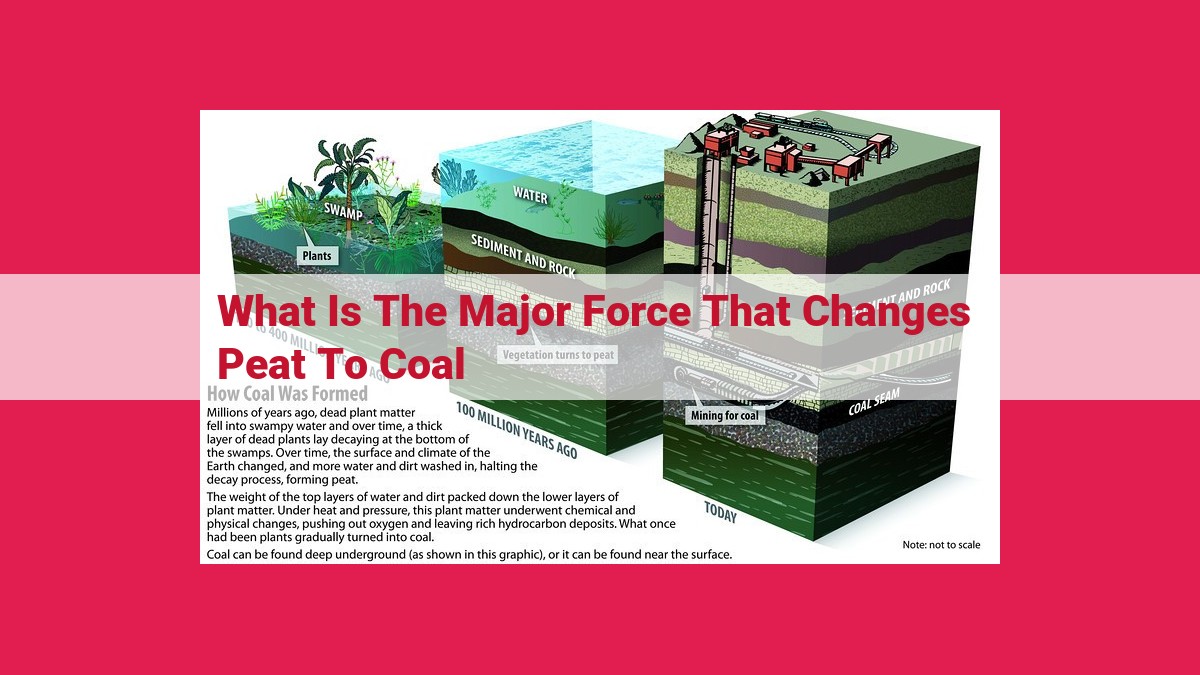
This rising heat works hand-in-hand with pressure. It helps to break down the remaining complex organic molecules, driving off more water, oxygen, and hydrogen, and further concentrating the carbon. It's a bit like putting a cake in a slow oven; the heat gradually changes its composition and texture. The hotter and deeper the burial, the more profound the chemical changes, pushing the material further along its journey to becoming true coal.
From Gooey Peat to Glimmering Coal: A Carbon Journey
This incredible process isn't an overnight affair; it’s a gradual, multi-stage evolution, measured in millions of years.
First, we have peat: the initial soggy, brownish accumulation of partially decayed plant matter found in bogs and swamps. It's soft, crumbly, and still resembles its plant origins. Think of it as the raw, unrefined ingredient.

Then, as pressure and heat intensify, peat transforms into lignite, often called "brown coal." It's still relatively soft and holds a fair amount of moisture, but it's denser and more carbon-rich than peat.
Push it deeper, heat it more, and you move through stages like sub-bituminous and then bituminous coal – the black, harder coals we're most familiar with. These stages represent increasing carbon content and energy potential, a true marvel of natural refinement.

And finally, for the grand finale, if the conditions are just right – meaning super high pressure and sustained temperature – you get anthracite. This is the rockstar of coals: hard, shiny, almost pure carbon, and incredibly energy-dense. It’s a testament to geological persistence and patience!
Why This Rocks Your World (Literally!)
"Okay," you might be thinking, "that's a fascinating science lesson, but how does understanding coal make my life more fun?" Great question! Because it opens your eyes to the mind-blowing power of time and natural forces. It’s like uncovering a secret history book written in the very rocks beneath our feet!
When you grasp how something as common as coal came to be, you start seeing the world differently. Every rock, every landscape feature, every natural resource has an incredible, ancient backstory. It connects you to the immense, patient processes that have shaped our planet for billions of years. It sparks a sense of wonder and curiosity, making you realize there’s so much more to discover just by asking "how?" or "why?" It's like gaining a superpower – the ability to see the deep time etched into everything around you!

Understanding these transformations isn't just for geologists; it's for anyone who loves a good mystery, appreciates natural beauty, or simply enjoys knowing how things work. It reminds us that our world is dynamic, constantly changing, and full of hidden marvels.
An Uplifting Invitation to Curiosity!
So, the next time you hear about coal, don't just think of a lump of fuel. Think of the billions of tons of pressure, the millions of years of patient heat, and the epic transformation from a vibrant, ancient swamp to solid energy. It’s a powerful testament to the Earth's incredible dynamism and its capacity for slow, profound change!
Isn't it truly fascinating how seemingly simple forces like pressure and heat, given enough time, can orchestrate such profound, planet-altering changes? This isn't just science; it's a story of natural alchemy, a geological ballet performed over millennia, proving that even the mundane can hold extraordinary secrets. Let this inspire you to look closer at the world around you. What other hidden wonders are waiting to be uncovered? Go on, embrace your inner geological detective – the Earth has so many thrilling tales to tell, and you're invited to explore them all!