
What Environmental Impact Does Nuclear Energy Have

Okay, let's talk about nuclear energy! It’s got a reputation, right? Some think it's super scary, others see it as our energy savior. But what’s the real deal when it comes to the environment? Let's dive in!
The Good Stuff: Air Quality Superhero
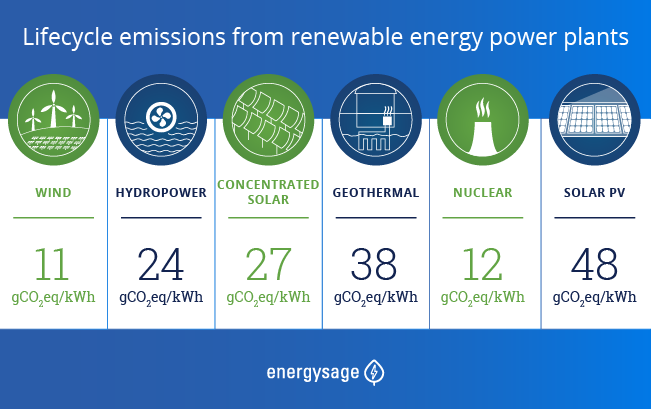
One of the biggest perks of nuclear energy is its impact on air quality. Imagine this: no smoke stacks belching out pollution! That's because nuclear power plants don't burn fossil fuels like coal or natural gas. They don't release greenhouse gasses while making electricity. This is a huge win for our atmosphere.
Think about it. Less air pollution means fewer respiratory problems for us and healthier ecosystems for our planet. It's like giving Earth a giant breath of fresh air. Pretty cool, huh?
Must Read
This absence of traditional air pollutants is where nuclear really shines. No soot. No smog. Just energy. And we definitely dig that.
Water, Water Everywhere (But How's It Used?)
Now, let's talk about water. Nuclear power plants do use water. Lots of it. They use it to cool things down, much like how a car engine needs coolant. This water is often sourced from rivers, lakes, or the ocean. After being used, the water is usually cooled and released back into its source.
The potential issue is that this discharged water can be warmer than the natural water. This is called thermal pollution. Warmer water can affect aquatic life. Imagine your bathtub suddenly getting way too hot. Fish and other creatures might not be too happy about it. Regulations are in place to limit the temperature increase, but it's something to keep an eye on.
Radioactive Waste: The Elephant in the Room
Alright, we can't ignore the biggie: radioactive waste. This is what everyone worries about. Nuclear power does create radioactive waste, and it stays radioactive for a long, long time. Dealing with it safely is a major challenge.
Currently, most of this waste is stored in specialized facilities. These are designed to keep the radioactivity contained and away from the environment. Scientists and engineers are constantly working on new and better ways to manage this waste. From advanced storage techniques to even the possibility of using the waste as fuel in new types of reactors!
It's a complicated problem, but people are definitely on it. Innovations are constantly coming down the pipeline for how to best deal with the leftover materials.

Land Use: A Surprisingly Small Footprint
Compared to other energy sources, nuclear power plants actually require a relatively small amount of land. Think about huge solar farms stretching across the desert, or vast coal mines scarring the landscape. Nuclear plants are much more compact. This is because nuclear energy is really very very energy dense.
A single nuclear power plant can produce a ton of electricity from a relatively small area. This helps preserve valuable land for other uses, like agriculture or wildlife habitats. That's a win for biodiversity!
Overall: A Balancing Act
So, what's the verdict? Nuclear energy has both pluses and minuses when it comes to the environment. It's great for air quality. It reduces the land footprint. But the big challenge is managing radioactive waste. It isn’t so hard to see why the topic generates so much discussion.
Deciding whether or not to embrace nuclear energy involves weighing these factors carefully. It's about finding the best way to meet our energy needs while protecting our planet for future generations.
Ultimately, it's up to each of us to learn more and form our own informed opinions on this complex and fascinating topic. Are you ready to join the conversation?