
What Energy Source Is Used The Most In The Us
Ever wonder what keeps the lights on in America? What fuels our cars and heats our homes? It's like a giant energy puzzle, isn't it?
Let's dive in and uncover the most used energy source in the US. You might be surprised!
Drumroll, Please!
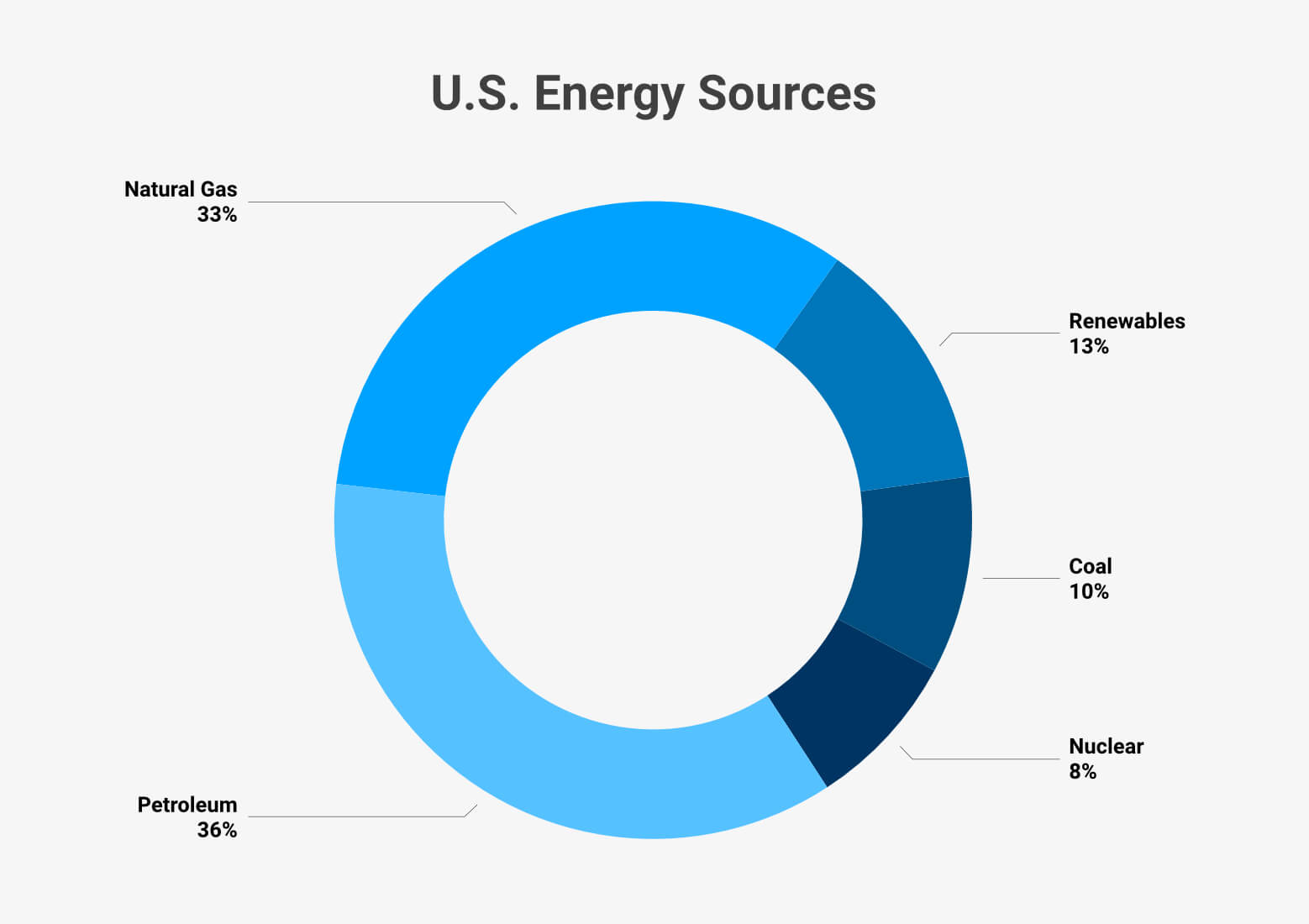
The winner is... petroleum! Yep, that's crude oil before it transforms into gasoline, jet fuel, and a whole bunch of other stuff.
Must Read
Think of petroleum as the unsung hero of modern life. It’s everywhere, even if you don't see it directly.
Bet you didn't expect that, huh?
Why Petroleum Reigns Supreme (For Now)
Petroleum has been a major player for a long time. It has a well-established infrastructure.
Think about all the pipelines and refineries we have. That makes it easier (and often cheaper) to get petroleum where it needs to go.
It is also versatile. Petroleum gets transformed into tons of different products. From plastics to lubricants, it's incredibly useful.
The Transportation Connection
A huge chunk of petroleum goes towards keeping us moving. Cars, trucks, airplanes – they all rely heavily on gasoline and jet fuel.
Even with electric vehicles becoming more popular, gasoline still dominates the roads. It is the king of the road, so to speak.
This is one big reason why petroleum consumption remains so high.
Beyond the Gas Tank
But wait, there's more! Petroleum isn't just about transportation.
It's also used in manufacturing all sorts of products we use every day. Think about all the plastic things you own.
Many of those started as petroleum byproducts.
A Closer Look: What's Petroleum, Anyway?
Okay, so we know petroleum is the most used energy source. But what exactly is it?
Well, it's a fossil fuel. Meaning it comes from the remains of ancient plants and animals.
Over millions of years, heat and pressure transformed them into the stuff we now call petroleum.
The Crude Truth
When petroleum comes out of the ground, it's called crude oil. It is not ready to be used yet.
Crude oil needs to be refined. This process separates the different components into gasoline, kerosene, and other products.
It’s a fascinating and complex process that transforms a dark, gooey liquid into the fuels we rely on.
Is Petroleum Forever?
Here's the thing: petroleum is a finite resource. We can't just keep using it up forever.
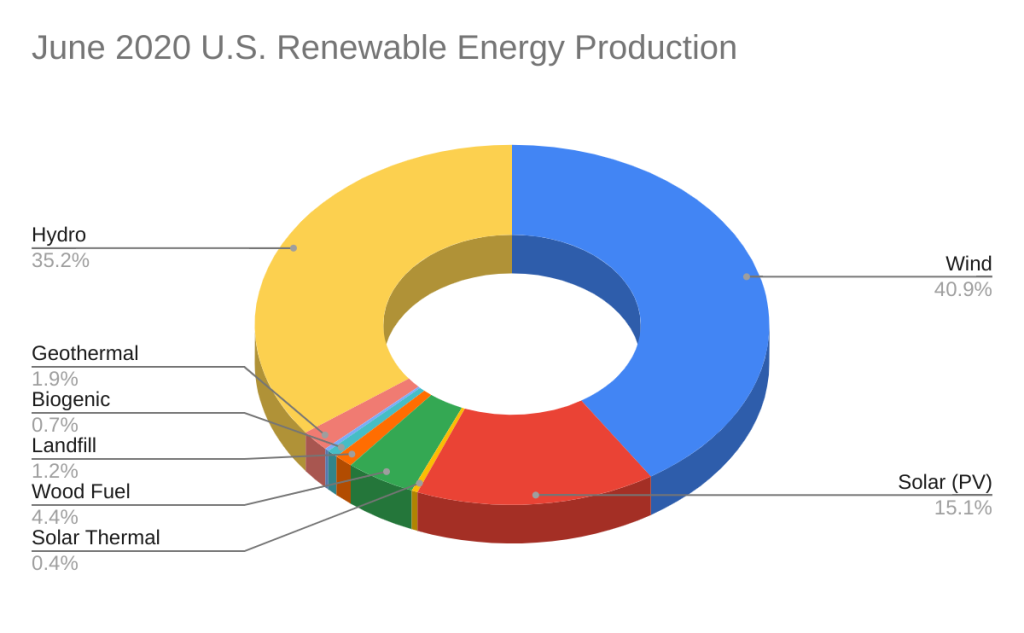
That's why there's so much interest in renewable energy sources like solar and wind.
Plus, burning petroleum releases greenhouse gases. Which contributes to climate change.
The Rise of Alternatives
The good news is that alternatives are becoming more viable. Solar, wind, and other renewables are growing fast.
Electric vehicles are also gaining popularity, reducing our reliance on gasoline.

The energy landscape is changing, and it's exciting to see what the future holds.
A Shift in the Energy Landscape
While petroleum currently reigns supreme, its dominance is being challenged. The energy landscape is shifting.
Renewable energy sources are becoming more affordable and efficient.
Technological advancements in battery storage and grid infrastructure are also playing a role.
The Environmental Impact
Burning petroleum has significant environmental consequences. It releases carbon dioxide into the atmosphere.
Carbon dioxide is a greenhouse gas that contributes to global warming and climate change.
Oil spills can also devastate ecosystems, causing long-term damage to marine life and coastal habitats.
Reducing Our Reliance on Petroleum
Reducing our reliance on petroleum is crucial for mitigating climate change. There are many ways to achieve this goal.
Investing in renewable energy sources, improving energy efficiency, and adopting sustainable transportation practices can all make a difference.
Supporting policies that promote clean energy and reduce carbon emissions is also essential.
The Future of Energy in the US
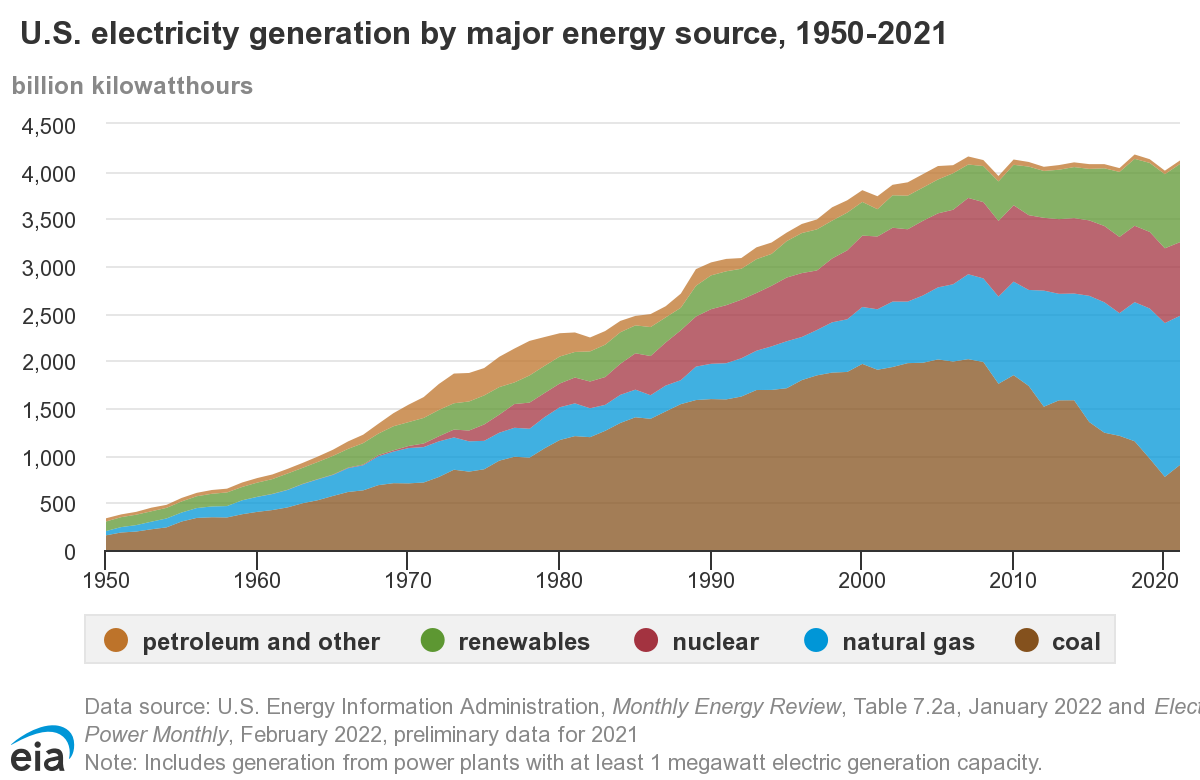
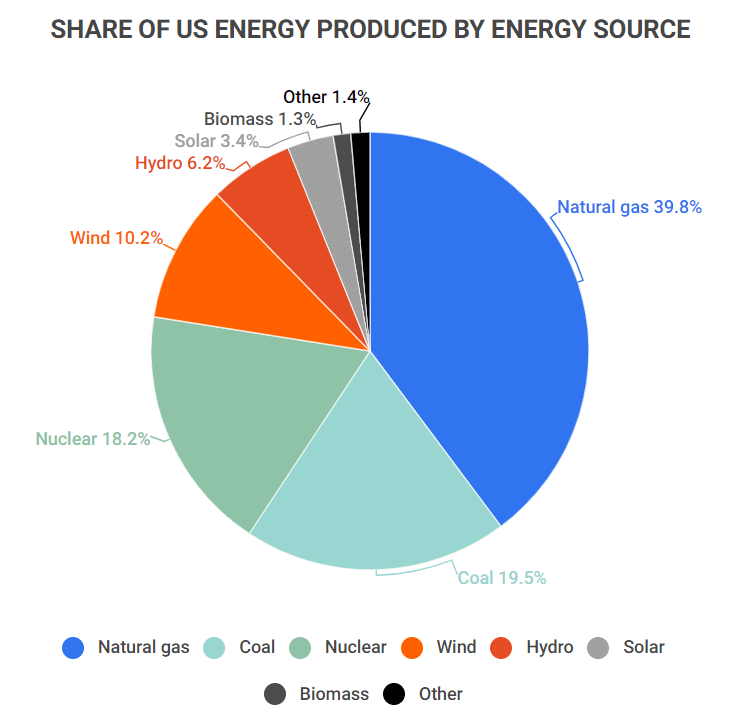
The future of energy in the US is likely to be more diverse and sustainable. Renewable energy sources will play an increasingly important role.
Energy efficiency measures will help us reduce our overall energy consumption.
And innovative technologies will pave the way for a cleaner and more resilient energy system.
A Transition to Clean Energy
The transition to clean energy will require a concerted effort from governments, businesses, and individuals.
Investing in research and development, creating supportive policies, and promoting public awareness are all crucial steps.
By working together, we can build a sustainable energy future for generations to come.
Beyond the Numbers: Why It Matters
Understanding where our energy comes from is more than just a statistic. It's about understanding our impact on the planet.
It's about making informed choices about how we live and consume.
And it's about creating a more sustainable future for everyone.
Your Role in the Energy Transition
You might be thinking, "What can I possibly do?" Actually, quite a lot!
Simple things like using less energy at home, choosing energy-efficient appliances, and driving less can make a difference.
Supporting businesses that are committed to sustainability and advocating for policies that promote clean energy are also powerful actions.
Embrace the Energy Conversation
So, next time you're filling up your car or paying your electricity bill, remember the journey of that energy.
Think about where it came from and the impact it has.
And maybe, just maybe, you'll feel inspired to be part of the energy solution.
So, What Now?
Now you know: petroleum is still the most used energy source in the US.
But the story doesn't end there. The energy landscape is constantly evolving.
Keep learning, stay curious, and be part of the change. The future of energy is in our hands!
Dive Deeper!
Want to learn more? Check out the US Energy Information Administration (EIA) website.
They have tons of data and information on energy production, consumption, and trends.
It's a fascinating rabbit hole to explore!
A Final Thought
Energy is a powerful thing. It powers our lives and shapes our world.
By understanding its sources and impacts, we can make informed choices and create a more sustainable future.
So, let's keep the conversation going and work towards a cleaner, brighter energy future for all.