
What Energy Efficient Items Are Tax Deductible
Hey there, eco-warriors and budget-conscious buddies! Ready to save the planet and your hard-earned cash, all at the same time? Let's dive into the wonderful world of energy-efficient tax deductions – it's like finding a twenty in your old winter coat, but way better!
Home Sweet (and Energy Efficient) Home
First things first, let's talk about your castle. Did you know Uncle Sam wants to reward you for making your home a green haven? It's true! Think of it as a high-five from the government for being awesome.
The Home Energy Credit: Your Wallet's New Best Friend
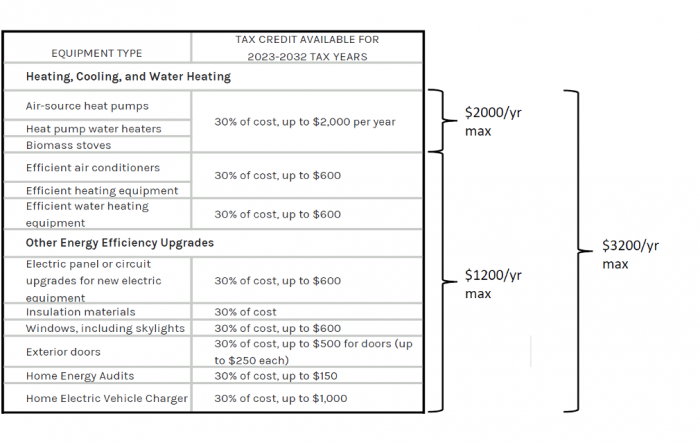
This is where the magic happens. The Home Energy Credit is like a superhero sidekick swooping in to save the day (and your tax bill!). It’s basically a percentage of certain qualified expenses you incur while upgrading your home with energy-efficient goodies.
Must Read
Imagine replacing your creaky, drafty windows with super-efficient, double-paned ones. Cha-ching! Tax deduction potential! Or perhaps you've decided to finally ditch that old, energy-guzzling water heater for a sleek, modern, energy-saving model. Bonus points (and potential deductions) for you!
Important Note: Keep meticulous records of all your purchases and installations. Think of yourself as a detective, gathering evidence to prove your green awesomeness to the tax authorities. Receipts are your magnifying glass! You'll need them when you file. Be careful, read all the details and instruction on the IRS website regarding this tax deduction, because laws change regularly.
What Qualifies for the Home Energy Credit?
Okay, so what exactly qualifies? Glad you asked! Here's a rundown of some popular items that might make you eligible for a deduction.
Insulation: Imagine wrapping your house in a cozy blanket to keep the heat in during winter and out during summer. That's basically what insulation does! Upgrading your insulation in your attic, walls, or floors can qualify you for the Home Energy Credit.
Energy-Efficient Windows, Doors, and Skylights: Say goodbye to those drafty windows that whistle on windy days! Replacing them with energy-efficient models not only makes your home more comfortable but also potentially reduces your tax burden.
Energy-Efficient Water Heaters: Trading in that old water heater for a high-efficiency model is like upgrading from a horse-drawn carriage to a Tesla. You'll save energy and potentially snag a tax deduction in the process!
Energy-Efficient HVAC Systems: Is your old furnace or air conditioner on its last legs? Consider replacing it with an energy-efficient model. Not only will you breathe easier (literally and figuratively), but you might also qualify for a tax break.
Playing Detective: Documentation is Key!
Remember those receipts we talked about? They're not just paper; they're your ticket to tax-deduction paradise! Keep every invoice, receipt, and installation record organized and easily accessible. Think of it as creating a treasure map leading to tax savings!
Also, be sure to check the manufacturer's specifications to ensure that your chosen energy-efficient items meet the requirements for the credit. The IRS has specific rules about what qualifies, so don't skip this step! Otherwise, you're at risk of receiving a letter that you don't want to receive.

Beyond the Home: Electric Vehicle (EV) Tax Credits
Okay, so you've made your home a green sanctuary. Now, let's talk about hitting the road in style (and sustainably!). Electric vehicles are not just cool; they can also come with some sweet tax incentives.
The Electric Vehicle Tax Credit is designed to encourage people to ditch gas-guzzlers and embrace the electric revolution. It offers a credit for purchasing a new qualified plug-in electric vehicle.
Imagine cruising down the highway in your sleek, silent EV, knowing that you're saving money on gas and getting a tax break. Talk about a win-win!
How Does the EV Tax Credit Work?
The amount of the credit can vary depending on the vehicle's battery capacity and other factors. It's not a flat amount for every EV, so do your research before you buy. Think of it as a scavenger hunt to find the most tax-advantageous EV for your needs.
To claim the credit, you'll need to fill out the appropriate tax form and provide documentation of your EV purchase. Don't forget to keep that sales contract handy!
Important Caveats About EV Tax Credits
There are often income limitations and other eligibility requirements for the EV tax credit. Make sure you meet all the criteria before you start dreaming of tax savings.
Also, keep in mind that tax laws can change. What's true today might not be true tomorrow, so stay informed and consult with a tax professional if you have any questions.
Other Energy-Efficient Goodies That Might Qualify
The fun doesn't stop there! There are other energy-efficient items that might qualify for tax deductions or rebates. It pays to be vigilant and explore all your options!
Energy-Efficient Appliances: Replacing your old refrigerator, washing machine, or dishwasher with Energy Star-certified models can not only save you money on your utility bills but might also qualify you for rebates from your local utility company.
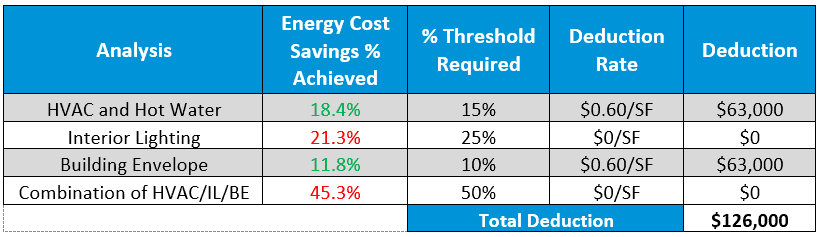
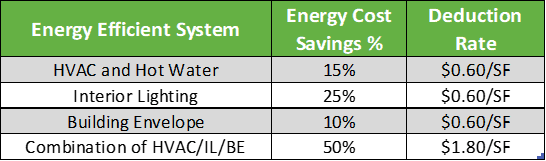
Solar Panels: Harnessing the power of the sun is not only environmentally friendly but can also be financially rewarding. Installing solar panels on your home can qualify you for federal tax credits and potentially state and local incentives as well.
Do Your Homework!
The key to maximizing your energy-efficient tax deductions is to do your research and keep meticulous records. The IRS website is your friend! Don't be afraid to dive into the details and learn about all the available incentives.
And remember, tax laws can be complex and confusing. If you're feeling overwhelmed, don't hesitate to consult with a qualified tax professional. They can help you navigate the tax landscape and ensure that you're taking advantage of all the deductions and credits you're entitled to.
So there you have it! A whirlwind tour of energy-efficient tax deductions. By making smart choices about your home and transportation, you can save money, reduce your carbon footprint, and feel good about contributing to a greener future. Go forth and be green (and save some green)!
Disclaimer: I am an AI Chatbot and not a financial advisor, so this article is for entertainment purposes only. Consult with a qualified tax professional for personalized advice.