
What Elements On The Periodic Table Are Metalloids

Ever looked at the periodic table and thought, "Wow, that's... a lot of squares"? Don't worry, most people do! But hiding amongst all those elements are some fascinating characters called metalloids. Think of them as the Switzerland of the element world – they're not quite metals and not quite nonmetals, but somewhere wonderfully in between.
So, who are these ambiguous elements? Well, there's no official agreement on the exact list (science isn't always black and white!), but the usual suspects are: Boron (B), Silicon (Si), Germanium (Ge), Arsenic (As), Antimony (Sb), and Tellurium (Te). Sometimes Polonium (Po) and Astatine (At) are thrown into the mix, too.
But why should you care about these "maybe-metals"? Good question! Let’s dive in!
Must Read
Metalloids: The Secret Ingredients to Modern Life
Metalloids might sound obscure, but you interact with them every single day. Seriously! Think about your phone, your computer, your TV – all powered by tiny components often made with, you guessed it, metalloids!
Silicon (Si) is the undisputed king of metalloids. It's the superstar of the semiconductor industry. Imagine trying to browse the internet without silicon. No smartphones, no laptops, no cat videos. A terrifying thought, right? Silicon allows us to control the flow of electricity in tiny circuits, making all that digital magic happen.
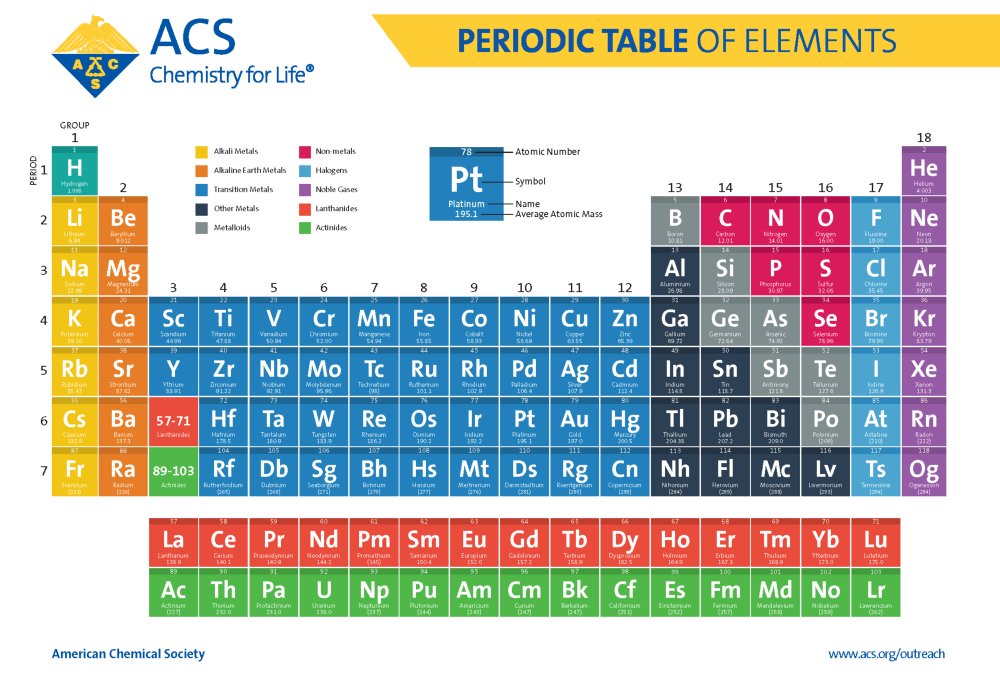
Think of silicon like the gatekeeper of electricity. It can either block the flow (like a closed gate) or let it pass (like an open gate). This on-off switch is the foundation of all digital computing.
Boron (B) might not be as famous as silicon, but it's still a vital player. You might find it in borosilicate glass, which is that super-tough glass used in Pyrex cookware. Remember your grandma’s trusty Pyrex dish that could withstand anything? Thank boron for that!
Boron is also used in some laundry detergents as a bleaching agent. So, it’s not just about high-tech gadgets; it’s keeping your whites white too!

The Metalloid Personality: It's All About the "It Depends"
What makes metalloids so special is their ability to be both metal-like and nonmetal-like, depending on the conditions. Think of them as chameleons, adapting to their environment.
This "it depends" behavior is what makes them so useful in semiconductors. By carefully controlling the amount of other elements (called dopants) added to a metalloid like silicon, we can fine-tune its electrical conductivity. It's like adding just the right amount of spice to a dish – too much or too little, and the whole thing is ruined.
Imagine Germanium (Ge), another metalloid, as a shy metal. It can conduct electricity, but not as well as a "true" metal like copper. But that's okay! That's what makes it useful in some older electronic devices, and it's even being explored for new solar cell technologies.

On the other hand, elements like Arsenic (As) and Antimony (Sb) lean more towards the nonmetal side. Arsenic, famously known for its toxicity (think old detective novels!), is actually used in some specialized semiconductors and as a wood preservative (though thankfully, safer alternatives are more common now).
Tellurium (Te), the last of our main metalloid crew, is often used to improve the machinability of metals. What does that mean? It makes metals easier to cut and shape. So, the next time you see a beautifully crafted metal object, remember that tellurium might have played a role!
Why This Matters (In a Fun Way!)
Understanding metalloids isn't just about memorizing names on a chart. It's about appreciating the hidden ingredients that make our modern world possible. It's about realizing that even elements with seemingly contradictory properties can be incredibly valuable.
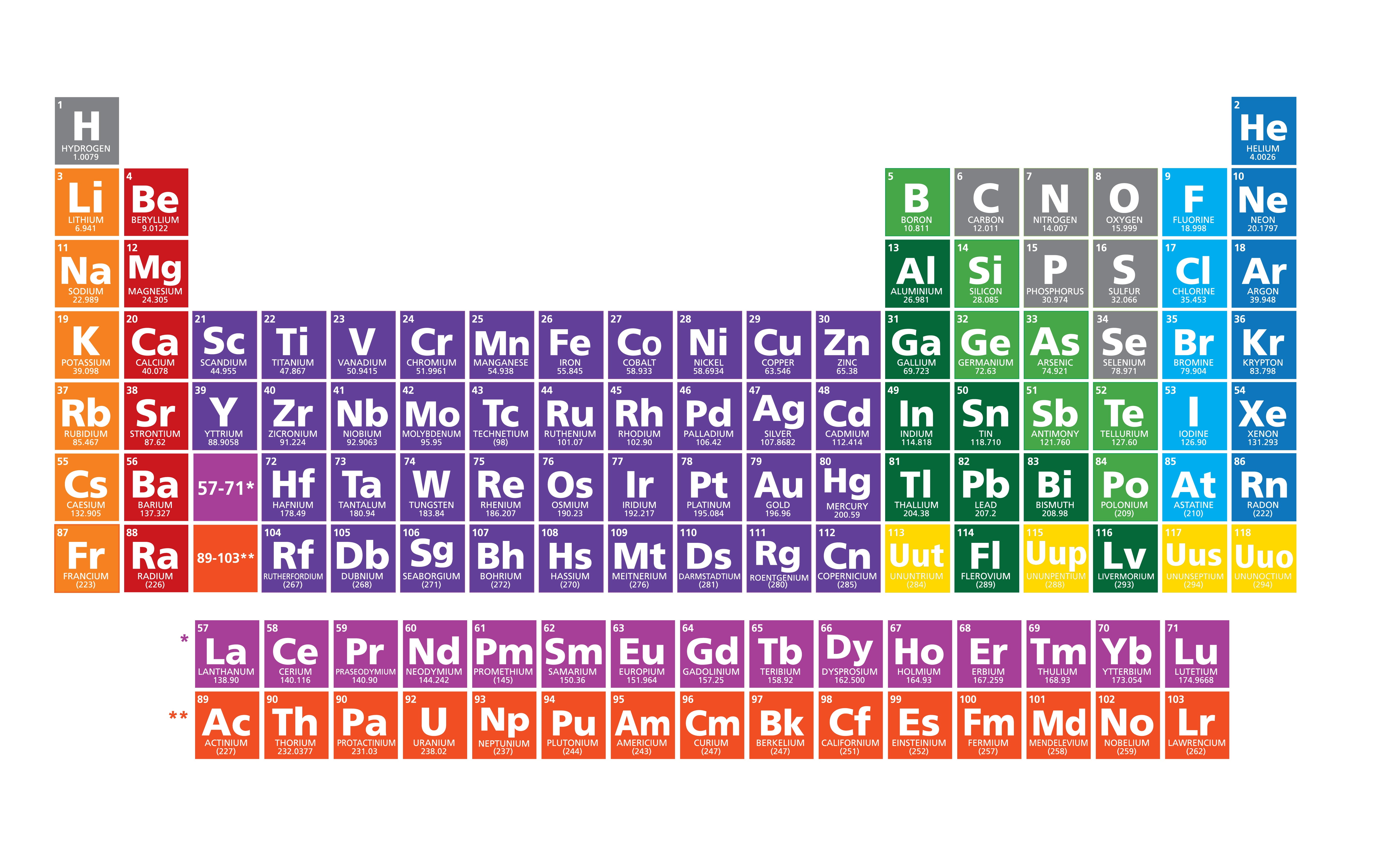
Next time you’re using your phone, remember the silicon inside. When you bake something in Pyrex, thank Boron. These unassuming elements are silently powering and shaping our lives in ways we often don't even realize.
So, embrace the ambiguity! Celebrate the "it depends"! Metalloids are a reminder that the world is full of fascinating exceptions and that sometimes, the most interesting things happen in the in-between.
And hey, knowing a little bit about metalloids is a great conversation starter at parties. Imagine impressing your friends with your knowledge of silicon semiconductors! You'll be the life of the party, guaranteed! (Okay, maybe not guaranteed, but it's worth a shot!)