What Element Is Tungsten On The Periodic Table

Hey there, curious minds! Ever wondered about the amazing building blocks of our universe? You know, the elements that make up, well, everything? Let’s dive into one that’s particularly fascinating: Tungsten. But where exactly does this cool element hang out on that iconic chart we all know (or maybe vaguely remember!) from science class – the Periodic Table?
Think of the Periodic Table as a well-organized neighborhood for all the elements. Each element has its own little house (or, you know, square) with a number on it. This number? It's the element's atomic number, and it tells us how many protons are chilling in the nucleus of an atom of that element. So, where does Tungsten reside in this elemental 'hood'?
Tungsten's Place in Line: Spotting #74
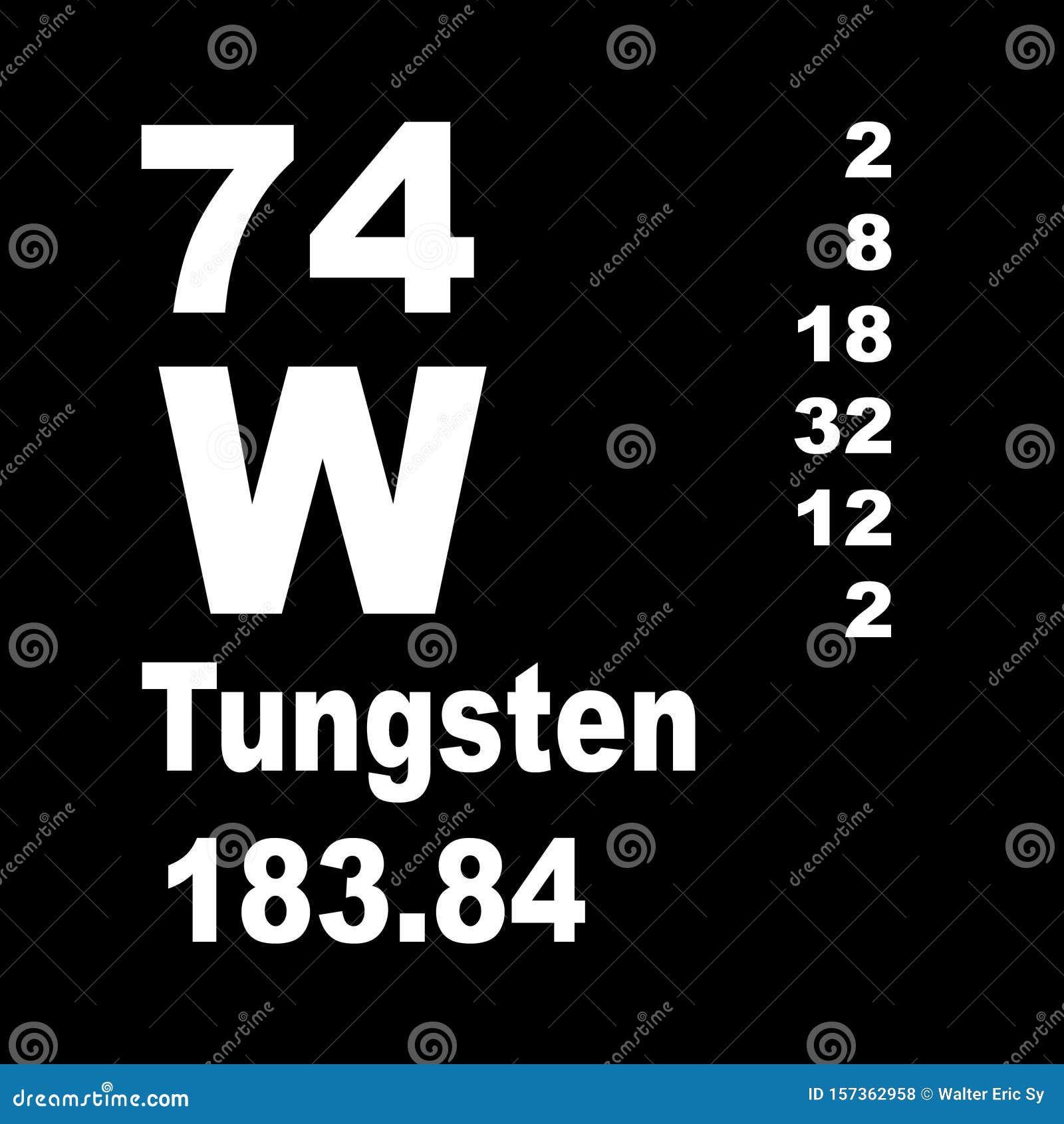
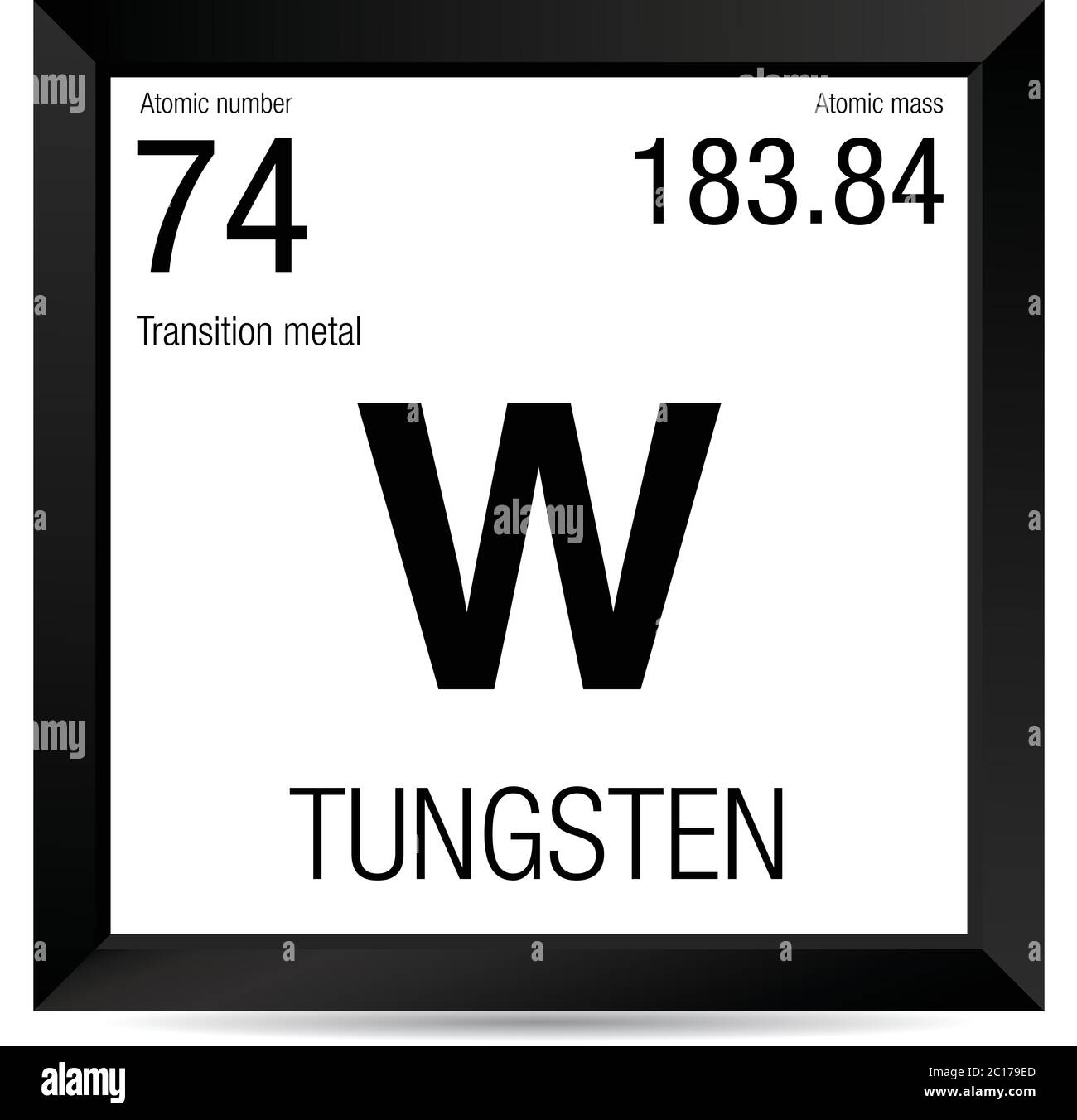
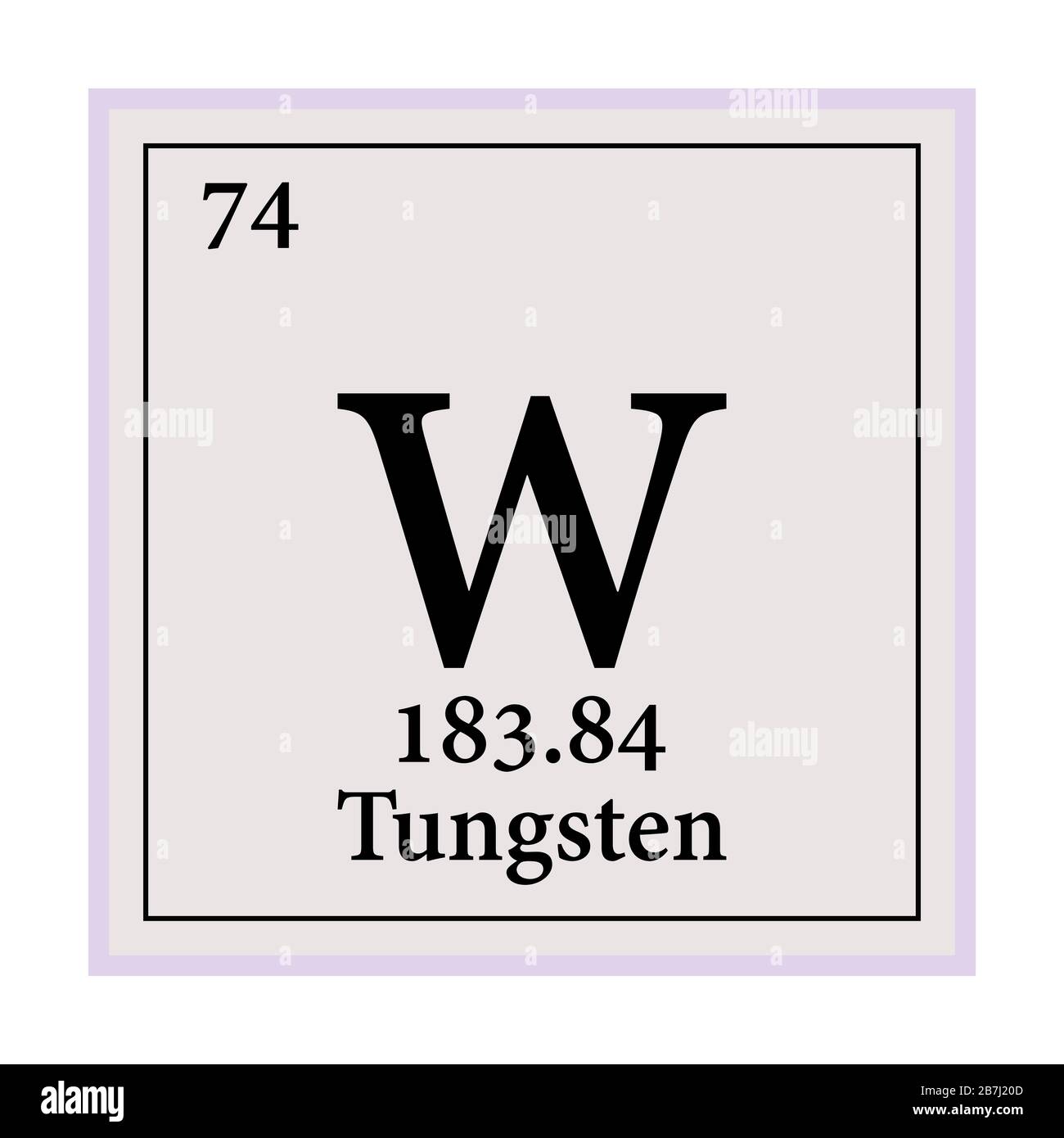
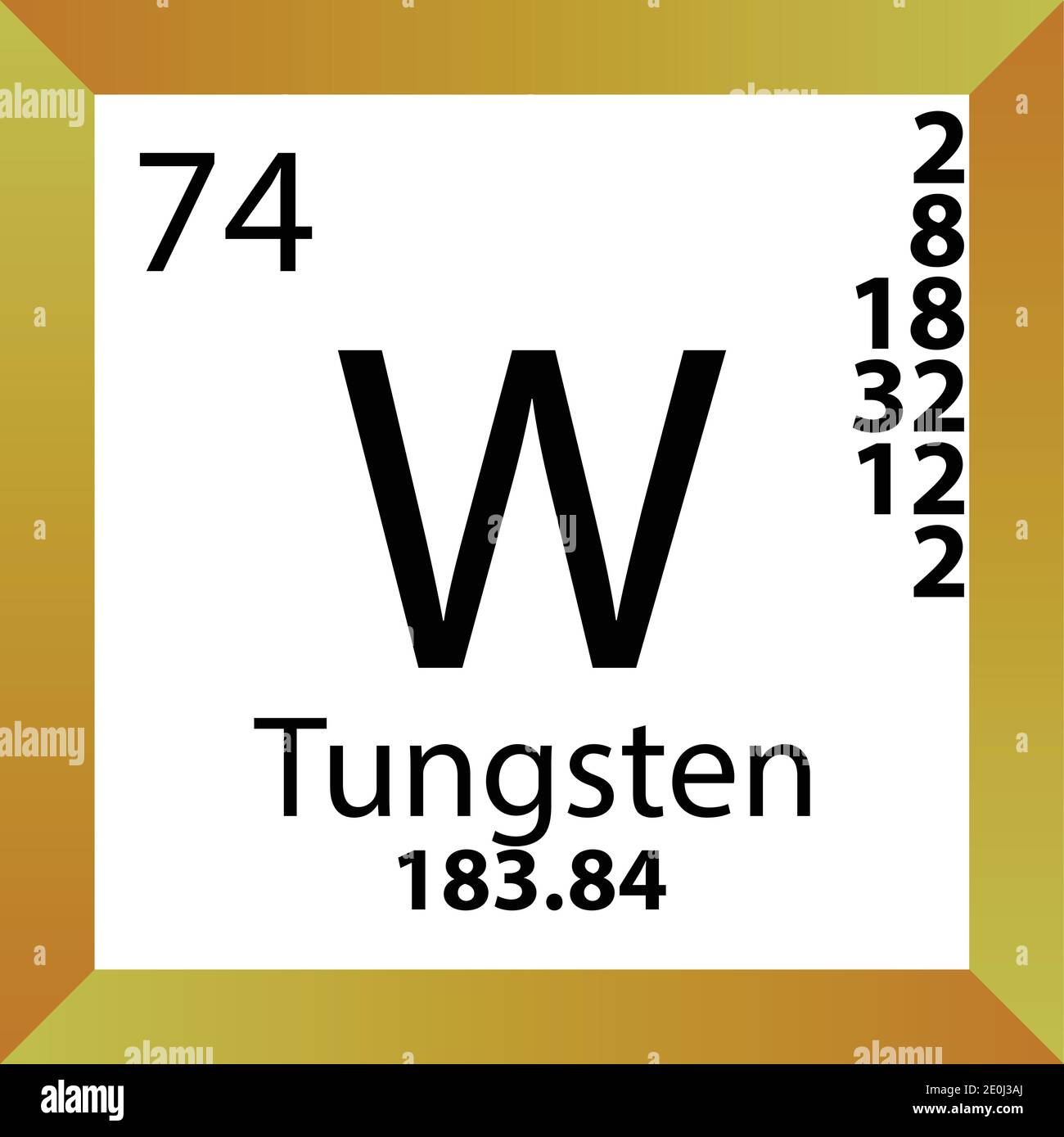
Drumroll please… Tungsten is element number 74! Yep, that’s its atomic number. You'll find it nestled in the transition metals section of the Periodic Table, specifically in the 6th period and group 6. Does this sound like gibberish? Don’t worry, let's break it down.
Must Read
The Periodic Table is arranged in rows (periods) and columns (groups). Think of the periods as rows of apartments – the higher the row, the more "energy levels" or "shells" the electrons have around the atom's nucleus. Tungsten being in the 6th period means its atoms have electrons buzzing around in six energy levels! Pretty busy, huh?
The groups, on the other hand, tell us about the number of electrons in the outermost shell, which affects how the element interacts with other elements – its chemical behavior. Being in Group 6 means Tungsten is ready and willing to bond with other elements. It’s a sociable sort!
Why is Tungsten So Darn Cool?
Okay, so it's number 74 and lives in a specific spot on the Periodic Table. Big deal, right? Wrong! Tungsten is actually incredibly useful and has some seriously impressive properties. Like what, you ask?
First and foremost, Tungsten has the highest melting point of all metals, and the second highest of all elements, beat only by carbon. We're talking scorching temperatures! That's why it's used in things that need to withstand extreme heat, like the filaments in old-school incandescent light bulbs. Remember those? They glowed super bright thanks to the Tungsten filament inside, heated to incredible temperatures without melting. Try doing that with aluminum foil!
But it doesn’t stop there. Tungsten is also incredibly dense – even denser than lead! Imagine a brick of Tungsten versus a brick of lead. The Tungsten brick would weigh more! This density makes it useful in applications where weight is needed, like in weights for fishing or darts. It’s also used in radiation shielding because of its ability to absorb harmful rays.
And get this: Tungsten is incredibly strong and hard, making it perfect for tools and alloys. When combined with other metals, it creates super-strong materials used in things like high-speed cutting tools and drill bits. It’s like the superhero of metals, adding strength and resilience to everything it touches!
Tungsten: More Than Just a Number
So, while Tungsten's position as element 74 on the Periodic Table might seem like just a random fact, it’s a clue to understanding its properties and how it interacts with other elements. Knowing its atomic number, period, and group gives us insight into why it’s such a strong, heat-resistant, and all-around amazing element.
Think of the Periodic Table as a recipe book for the universe, and Tungsten is one of the most versatile and impressive ingredients. Next time you see a light bulb (an old one, at least!), a fishing weight, or a super-tough drill bit, remember Tungsten – the mighty element number 74, holding its own in the elemental neighborhood!
Isn't science just the coolest?