What Electric Heaters Are The Cheapest To Run
Okay, so winter's coming (or maybe it's already here, brrr!). And that means thinking about heating. But let's be honest, nobody wants a ridiculously high electricity bill. So, the question on everyone's mind is: what electric heater is the cheapest to run? Let's dive in and figure this out, shall we? It's actually kinda fascinating when you get down to it.
The Great Electric Heater Showdown: A Watt's a Watt?
First things first, let's get one thing straight: all electric heaters, deep down, are pretty much the same when it comes to energy efficiency. Wait, what?! I know, mind blown, right? They all convert electricity into heat, and they all do it at essentially 100% efficiency. That means every single watt of electricity you pay for becomes heat. Think of it like this: it's like comparing ovens. A fancy oven and a basic one both cook a pizza using roughly the same amount of energy. The difference lies in how they deliver that heat, and more importantly, how effectively that heat warms you.
So, if they're all technically "efficient," why are some so much more expensive to run than others? The answer is all about control, targeted heating, and a bit of physics.
Must Read
Types of Electric Heaters: It's More Than Just Looks
Let's break down the main contenders:
- Fan Heaters (Forced Air): These guys are like the speedy little sports cars of the heater world. They quickly blast hot air into a room. Great for a quick warm-up, but they can also feel a bit... artificial. Imagine sitting in front of a hairdryer for hours. Not ideal, huh?
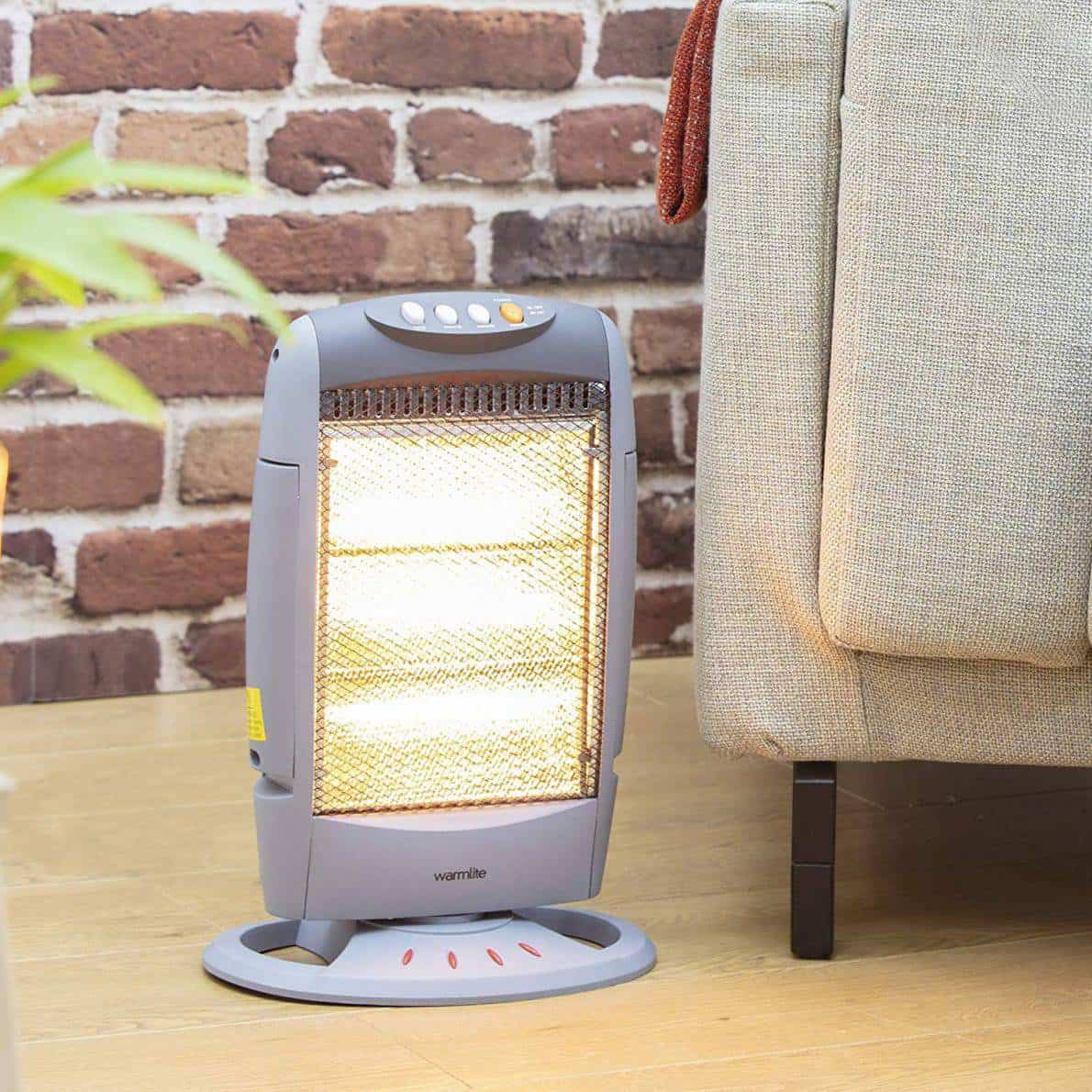
- Radiant Heaters (Infrared): Think of these as little suns. They directly heat objects and people in their path. Ever notice how good you feel basking in the sun, even when the air is cool? That's the radiant effect. They're good for focused warmth.
- Oil-Filled Radiators: These are the tortoises of the heating world – slow and steady. They take a while to heat up, but once they're going, they radiate warmth for a long time, even after you turn them off. They're like a warm, comforting hug.
- Ceramic Heaters: These are a bit of a hybrid. They often use a fan to circulate warm air, but the heating element itself is ceramic, which tends to retain heat better than some other materials. Think of them as a refined fan heater.
The Hidden Cost: How You Use Your Heater Matters Most
Here's the thing: the cheapest heater isn't necessarily the one with the lowest price tag. It's the one you use most effectively. So, how do we do that? Here are a few key strategies:

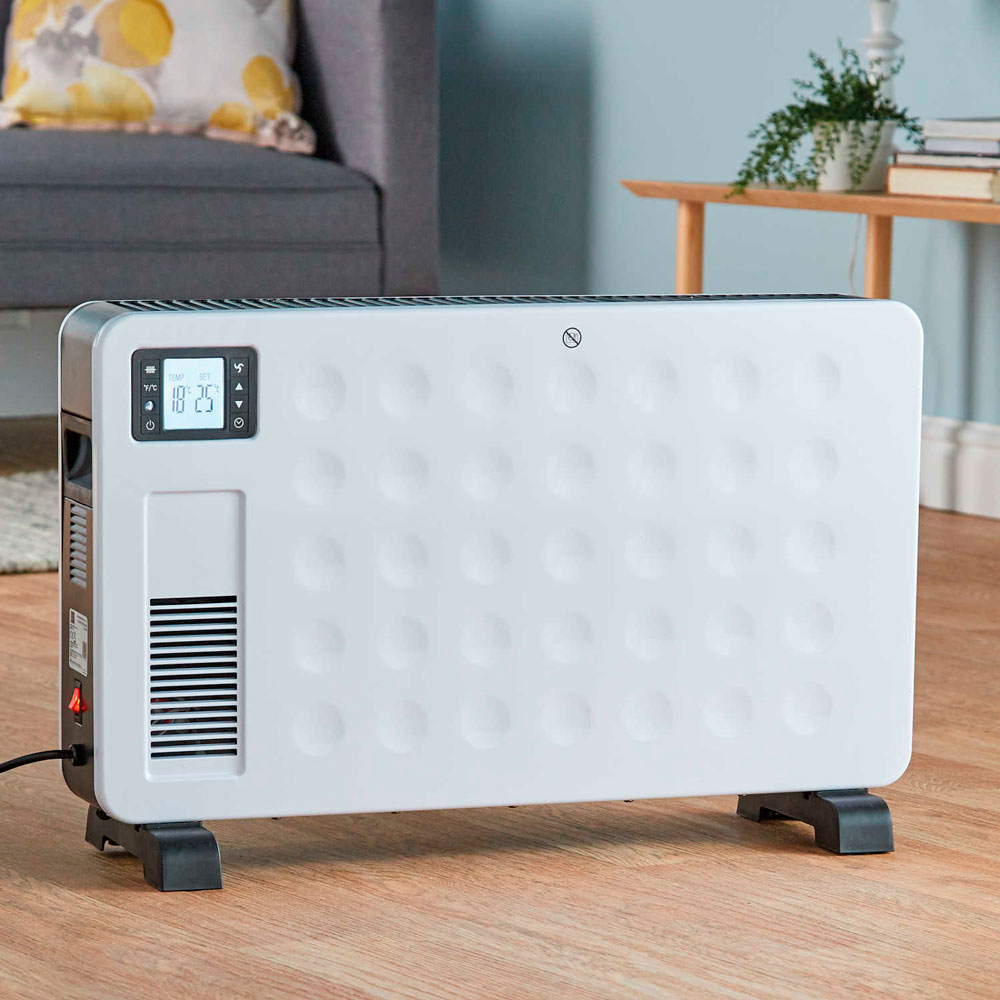
- Targeted Heating: Do you really need to heat the entire house if you're only using one room? Probably not. Use a smaller, portable heater to focus the warmth where you need it. This is like using a spotlight instead of floodlights – much more efficient!
- Thermostat Control: A thermostat is your best friend. It automatically turns the heater off when the room reaches your desired temperature, preventing it from running unnecessarily. Without a thermostat, your heater is basically running full blast until you manually turn it off. That's a recipe for a sky-high bill!
- Insulation is Key: No heater can work its magic if all the heat is escaping. Make sure your room is properly insulated. Seal up drafts around windows and doors. It's like trying to fill a bucket with a hole in the bottom!
- Timing is Everything: Only heat the room when you're actually using it. Don't leave the heater running all day when you're at work. That's just throwing money away. A programmable timer can be a lifesaver here.
So, Which Heater Wins? The Verdict!
Honestly? There's no single "winner." The cheapest electric heater is the one that best fits your specific needs and usage habits. For a quick burst of heat in a small space: A fan heater or a small ceramic heater might be ideal. For more consistent, longer-lasting warmth: An oil-filled radiator could be a good choice. For direct, focused heat: A radiant heater could be perfect, especially if you just want to warm yourself while reading a book.
Ultimately, the key is to choose a heater with a thermostat, use it only when and where you need it, and make sure your space is well-insulated. Smart usage is always more important than the specific type of heater. So go forth, stay warm, and keep those electricity bills under control! And hey, maybe treat yourself to a hot chocolate while you're at it. You deserve it!