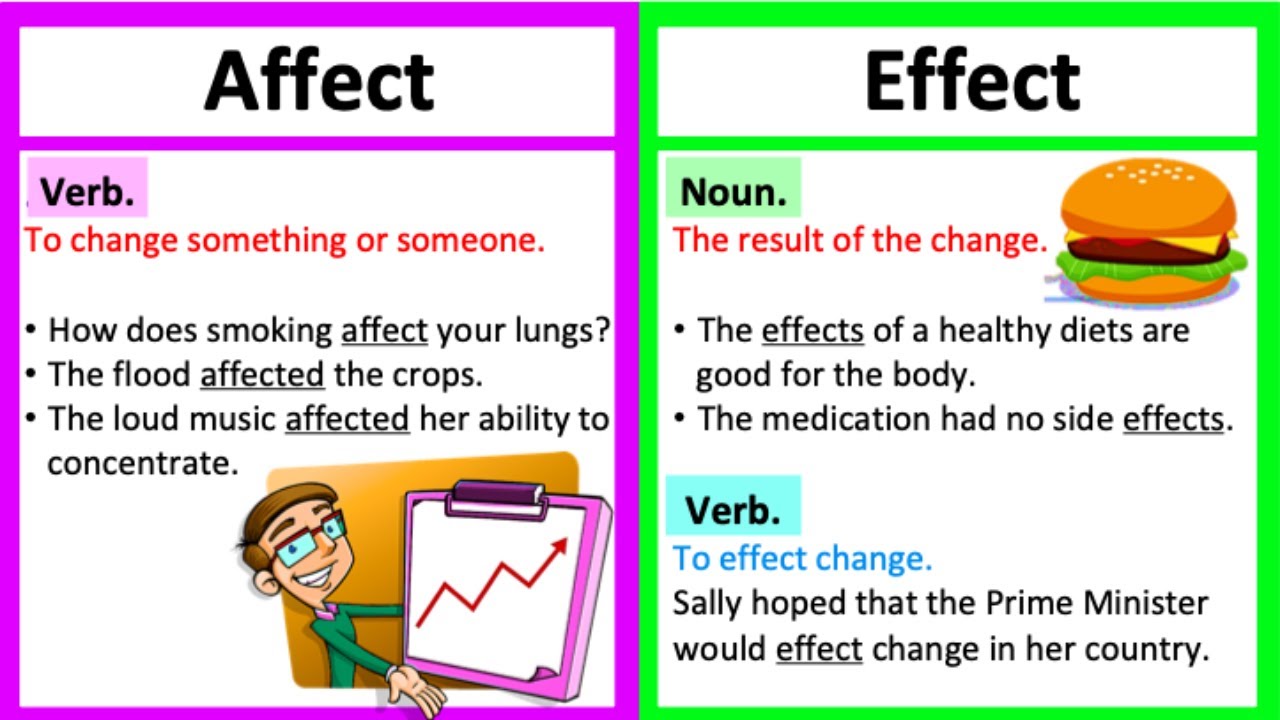
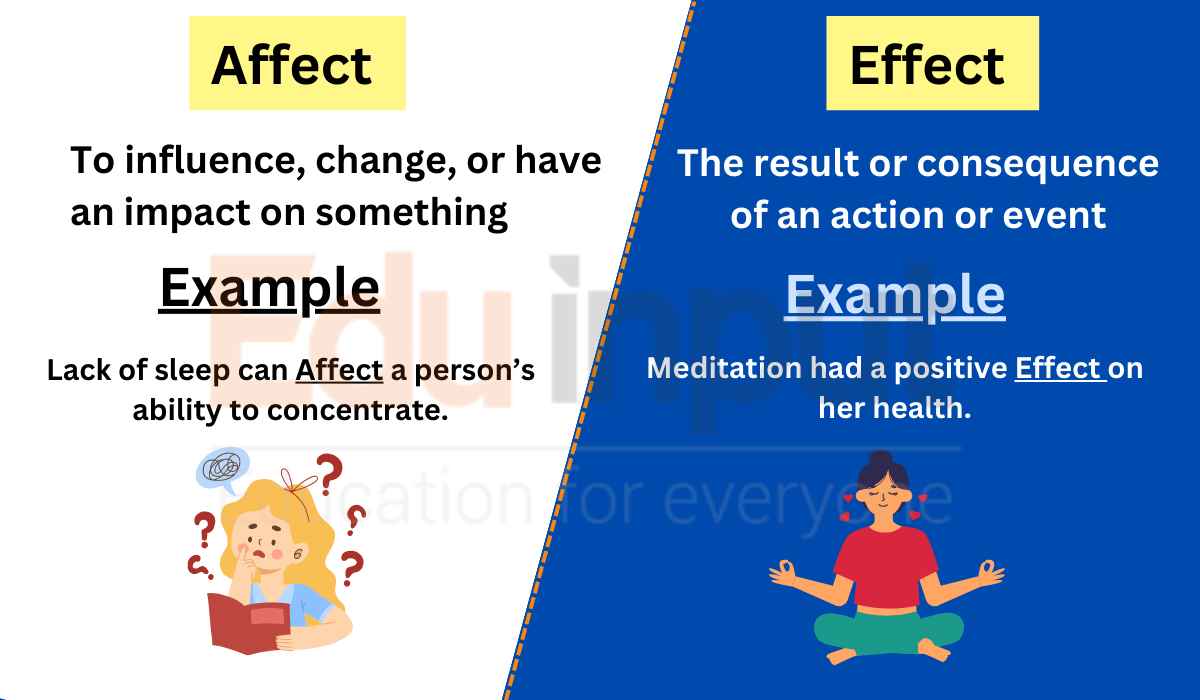
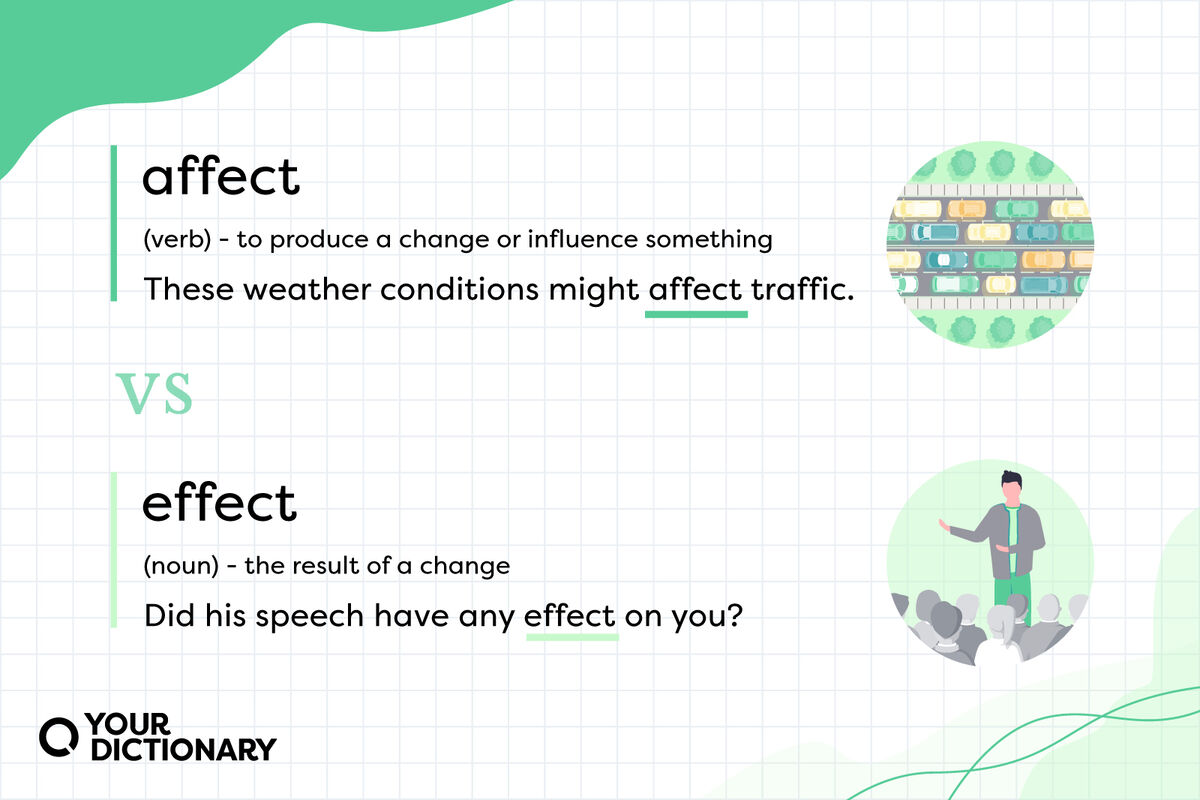
What Effect Does Fossil Fuels Have On The Environment
Okay, let's talk about fossil fuels. We use them every day, pretty much without even thinking about it. Driving our cars, turning on the lights, even ordering that avocado toast (think about the transportation!). But what's the real deal with these energy sources and their impact on our planet? Time for a little environmental real talk.
The Fossil Fuel Lowdown: What Are They Anyway?
Fossil fuels are basically the remains of ancient organisms - plants and animals - that lived millions of years ago. Over time, under intense heat and pressure, these organic materials transformed into coal, oil, and natural gas. Think of it as the ultimate composting project, but on a geological timescale!
We then extract these fuels from the earth and burn them to create energy. It’s a relatively cheap and efficient process, which is why they've become the backbone of modern society. But here’s the rub: burning fossil fuels releases a whole bunch of stuff into the atmosphere that's not so great for the environment.
Must Read
The Environmental Impact: A Not-So-Pretty Picture
Here’s where things get a little less sunny and a little more… well, apocalyptic movie-esque. The main issue is the release of greenhouse gases, primarily carbon dioxide (CO2). Think of these gases like a big, warm blanket wrapped around the Earth. They trap heat, which leads to a gradual warming of the planet – also known as global warming.
Climate Change: We're talking rising sea levels (bye-bye, beach vacations!), more frequent and intense heat waves (hello, endless sweating!), altered precipitation patterns (droughts in some areas, floods in others), and disrupted ecosystems (sad face for polar bears and coral reefs!). It's basically a domino effect with potentially devastating consequences.
Air Pollution: Burning fossil fuels also releases other pollutants, like sulfur dioxide and nitrogen oxides. These contribute to smog, acid rain, and respiratory problems. Ever coughed a little harder on a particularly smoggy day? Yep, fossil fuels are likely to blame.
Ocean Acidification: The ocean absorbs a significant amount of CO2 from the atmosphere. While this sounds helpful, it actually leads to the acidification of the ocean, which harms marine life, particularly shellfish and coral reefs. Picture finding Nemo in a very, very acidic pool. Not ideal.

Practical Steps You Can Take (Because Every Little Bit Helps!)
Okay, so the situation might seem a bit dire. But don't despair! We're not doomed just yet. The good news is that there are things we can all do to reduce our reliance on fossil fuels and lessen our environmental impact.
- Reduce, Reuse, Recycle: It's a classic for a reason. Producing new stuff requires energy, often from fossil fuels. So, buy less, choose products with minimal packaging, and recycle everything you can. Think about it: less waste = less need for energy to create more things.
- Conserve Energy: Turn off lights when you leave a room, unplug electronics when you're not using them, and switch to energy-efficient light bulbs (LEDs are your friend!). Even small changes can add up.
- Drive Less (or Smarter): Walk, bike, or take public transportation whenever possible. If you have to drive, consider a more fuel-efficient vehicle or even an electric car. Carpool! And make sure your tires are properly inflated for optimal fuel economy.
- Eat Responsibly: Support local and sustainable agriculture. The transportation of food contributes significantly to fossil fuel consumption. Consider reducing your meat consumption as well; raising livestock requires a lot of resources.
- Support Renewable Energy: Advocate for policies that promote renewable energy sources like solar, wind, and hydro. Let your voice be heard!
Fun (and Slightly Depressing) Fossil Fuel Facts
- The Great Smog of London in 1952, caused by heavy coal burning, killed an estimated 12,000 people.
- The world's largest coal reserve is in the United States.
- If all the oil in the world were poured into a giant swimming pool, it would stretch from New York to Los Angeles... several times over. (Okay, maybe that's not a fun fact, but it's certainly a visual!)
A Little Reflection
So, next time you fill up your gas tank or flip on a light switch, take a moment to think about the journey that energy has taken, and its impact on the world around you. We're all connected to this issue, and we all have a role to play in creating a more sustainable future. Even small changes in our daily habits can make a big difference in the long run. Let's strive to be more conscious consumers and responsible stewards of our planet. After all, we only have one!