
What Does Turning The Fan On The Thermostat Do
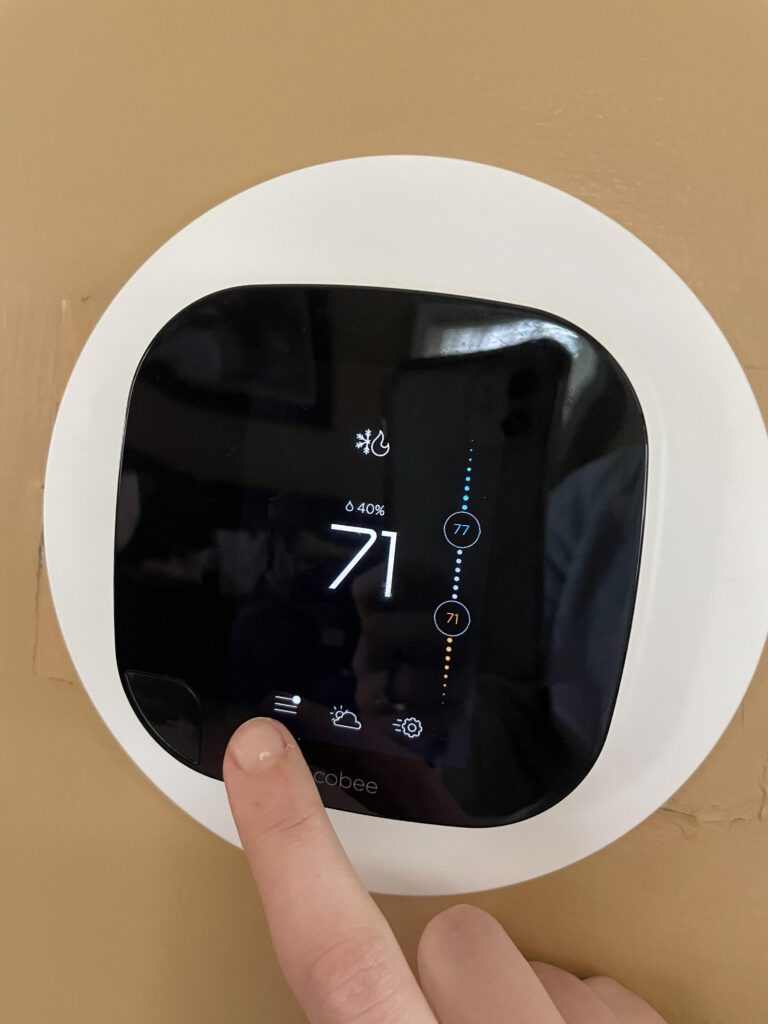
Have you ever stared at your thermostat, that little control panel of destiny, and wondered about the mysterious "Fan" setting? You're not alone! It's like the "extra" button on the microwave – you know it's there, but what wizardry does it actually perform?
The Fan: A Simple Choice, or is it?
Let's break down what happens when you flip that switch from "Auto" to "On". Prepare for a wild ride into the world of indoor air circulation!
"Auto": The Fan When it Needs To Be.
Think of "Auto" as the fan playing hide-and-seek. It only kicks into gear when your heating or cooling system is actively working. The fan is a team player that wants to help heating and cooling system distribute the air.
Must Read
Imagine your AC is a superhero, battling the heat. The fan, in "Auto" mode, is its trusty sidekick, appearing only during the fight to ensure everyone feels the chill.
The fan only comes on when things are getting real – when your furnace is puffing out warmth or your AC is blasting coolness.
"On": The Fan, All the Time!
Now, "On" is where things get interesting. This setting tells your fan to become a non-stop air-circulating machine, a whirlwind of constant breeze. It is always blowing, whether heating or cooling or neither is on!
Forget hide-and-seek; this fan is always "it"! Think of it as a dedicated athlete, constantly training, even when there's no game.
Your fan will just keep on going, even when your house is at the perfect temperature.
What Happens When the Fan is Always On?
So, what does this constant air movement actually do? Well, buckle up, because we're about to dive into a world of potential benefits and, yes, even a few drawbacks.
More Even Temperatures (Maybe)
Imagine your house as a series of interconnected rooms, each with its own little microclimate. Some rooms are toasty, others are chilly. The fan is an equalizer that can make the whole place a little less up and down.

By constantly circulating the air, the fan can help to mix warm and cool pockets, creating a more consistent temperature throughout your home. It is trying to reduce the amount of hot and cold spot.
Think of it like stirring a pot of soup. It'll spread heat around for a more even temperature.
Improved Air Quality (Potentially)
This is where things get a bit more complex. Some believe that a constantly running fan can help to improve indoor air quality. The idea is that the fan is continuously pulling air through your air filter, trapping dust, pollen, and other allergens.
It is like having a little dust-busting ninja on duty 24/7. But, and this is a big "but", it only works if you have a good filter, and if you change it regularly. If your filter is clogged, the fan will just be circulating dirty air!
It is important to clean or change your air filter every month or two. This will help prevent the system from getting too dirty.
The Potential Downsides: The Fan's Dark Side!
Okay, so running the fan constantly sounds amazing, right? Even temperatures, cleaner air… It's a utopia! But before you crank that fan to "On" and declare victory, let's talk about the potential downsides.
Increased Energy Bills (Ouch!)
Here's the cold, hard truth: running your fan all the time consumes energy. The fan motor requires electricity to operate. More electricity = higher bills.

While the fan itself doesn't use as much energy as your AC or furnace, it can still add up over time. Imagine leaving a light bulb on 24/7. It may not be a huge drain, but it'll definitely impact your bill.
The amount of electricity used also depends on the type of fan motor. If your air handler has an older style PSC motor, it can be very expensive to run it 24/7.
Wear and Tear (The Fan Gets Tired)
Just like any machine, your fan has a lifespan. Running it constantly puts extra stress on the motor and other components, potentially leading to premature wear and tear.
Think of it like a marathon runner. Running one marathon a year is one thing, but running one every week? That runner is going to burn out fast.
Turning it on all the time can shorten the lifespan of the motor, and lead to having to replace it earlier than expected.
The "Draft" Factor (Brrr!)
While even temperatures are generally desirable, a constantly running fan can create a noticeable draft. This can be especially problematic in the winter, when the cool air from the fan can make you feel colder.
Imagine sitting in front of a gently oscillating fan all day long. After a while, that gentle breeze might start to feel a little chilly. This might not be comfortable for everyone, especially those who are sensitive to cold.
You might find yourself reaching for a sweater, even though your thermostat is set to a comfortable temperature.
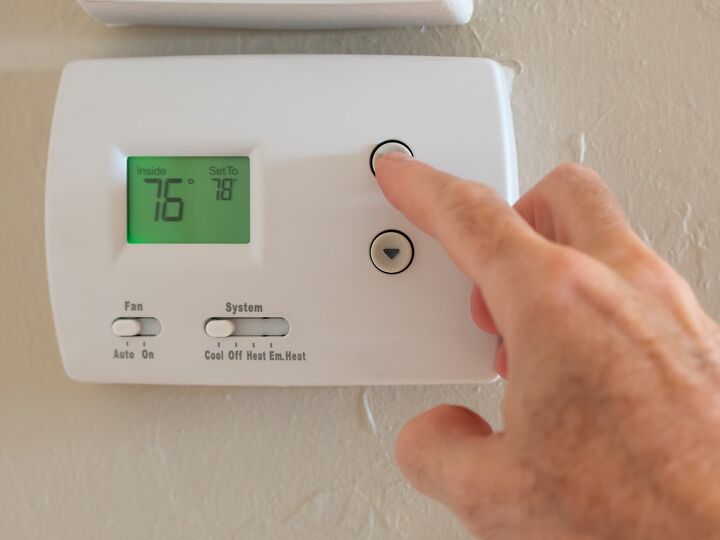
So, What's the Verdict?
Alright, we've explored the pros and cons of running your fan constantly. So, what's the final answer? Should you embrace the "On" setting, or stick with "Auto"?
There's no one-size-fits-all answer! The best setting for you will depend on your individual needs, preferences, and circumstances.
Consider your home's layout, your budget, and your personal comfort level.
When "On" Might Be a Good Idea
If you have a home with significant temperature imbalances, running the fan constantly might be worth considering. This can be especially true for multi-story homes, where warm air tends to rise.
Think of it as a way to level the playing field, ensuring that everyone in the house is comfortable.
It can also be helpful if you have allergies or other respiratory sensitivities. Just remember to keep that filter clean!
When "Auto" is the Way to Go
If you're primarily concerned about energy savings, sticking with "Auto" is generally the best bet. This will ensure that the fan only runs when it's actually needed, minimizing energy consumption.
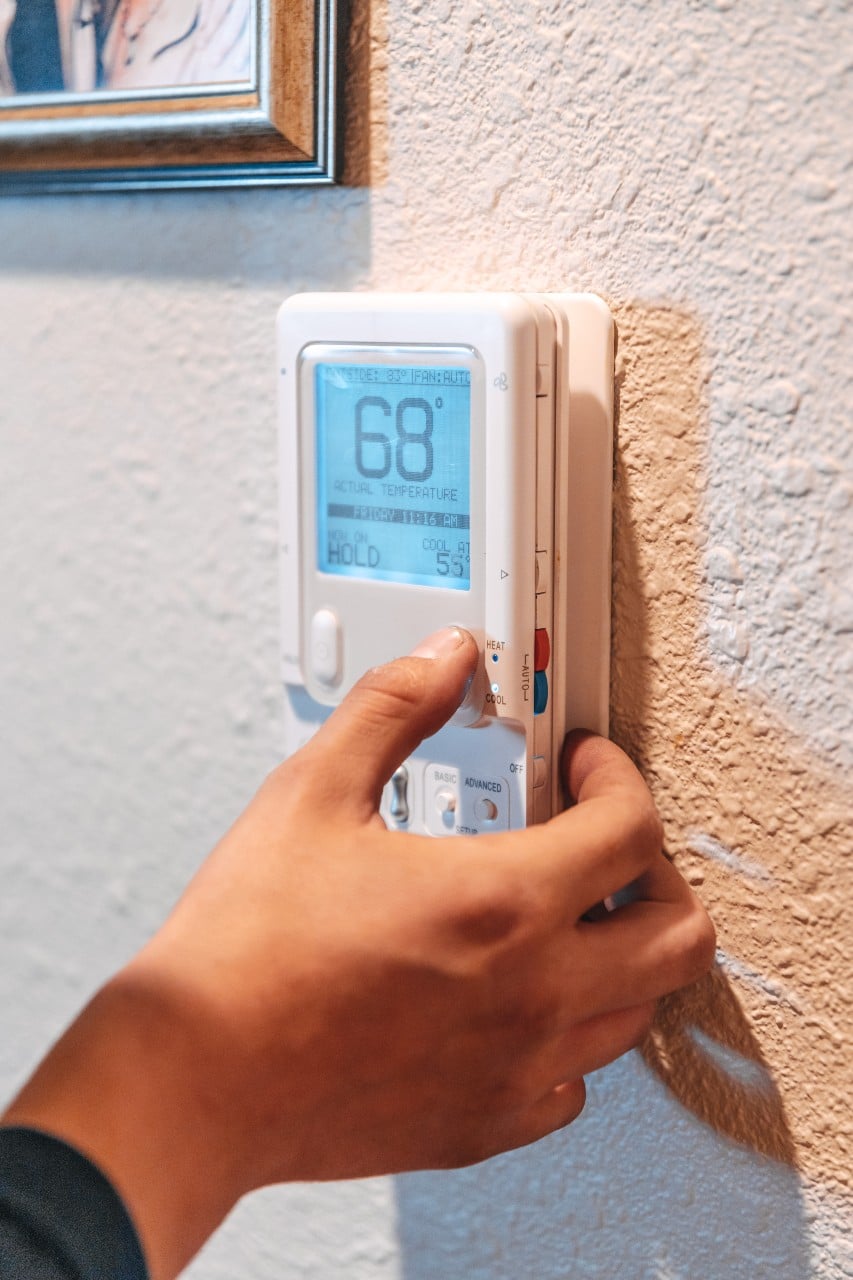
It is the most energy efficient. The fan will only run when you need heating or cooling.
Plus, you won't have to worry about the potential for drafts or premature wear and tear on your fan motor.
Experiment and See What Works Best!
The best way to determine the ideal fan setting for your home is to experiment! Try running the fan on "On" for a few days, and then switch back to "Auto". Pay attention to your comfort level, your energy bills, and any changes in air quality.
Think of it as a scientific experiment, but with your thermostat as the lab equipment. Take notes! Observe! Draw conclusions!
Ultimately, the goal is to find a setting that keeps you comfortable, without breaking the bank or causing unnecessary wear and tear on your system.
Don't be afraid to tweak your settings and find what works best for you. Your thermostat is your friend, not your foe! Embrace its power, and use it to create the perfect indoor environment.
And remember, if all else fails, you can always call a qualified HVAC technician for expert advice. They can help you troubleshoot any issues and optimize your system for maximum efficiency and comfort.
Now go forth and conquer your thermostat! May your home be filled with perfectly circulated, comfortably tempered air!