What Does Tig Welding Stand For
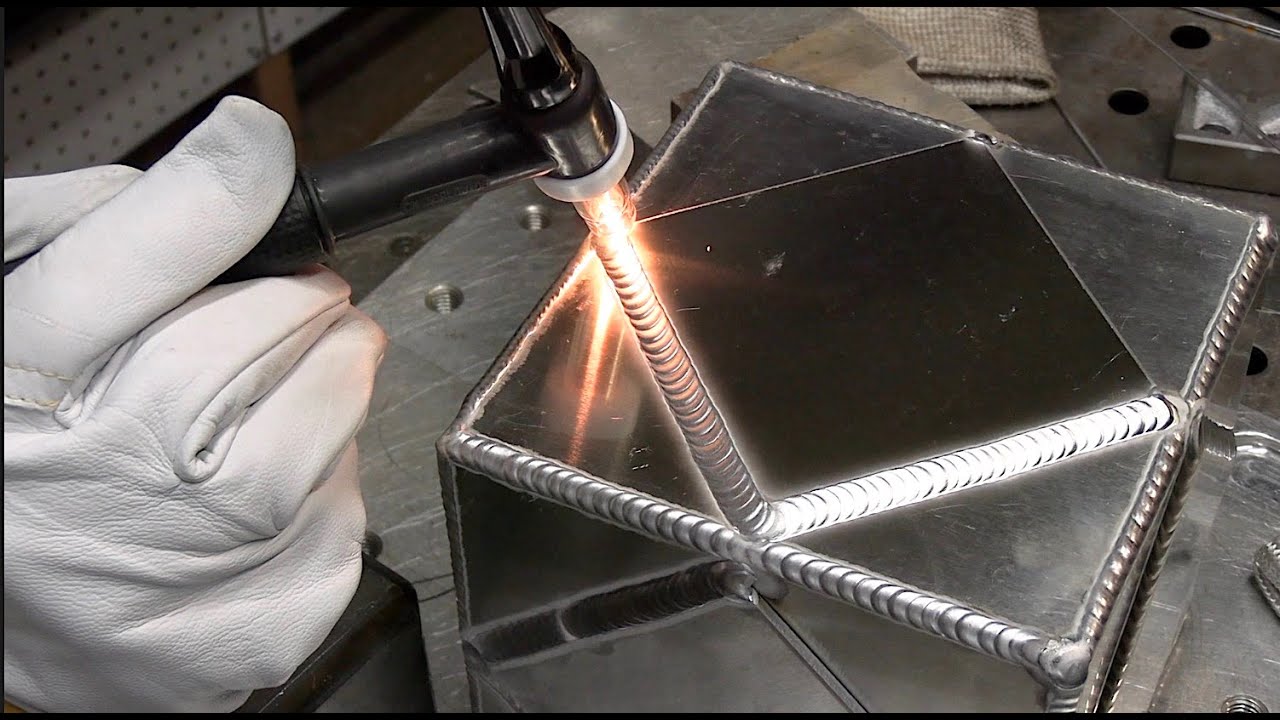
Ever found yourself admiring a beautifully crafted metal piece, perhaps a custom bike frame, a sleek stainless steel handrail, or even an intricate aluminum sculpture, and wondered how those super clean, precise welds were made? Well, chances are you were looking at the magic of TIG welding. It might sound like a highly technical, industrial process, but it's actually a fascinating skill that's become increasingly popular among hobbyists, artists, and even those looking to make high-quality repairs around the house. It’s like the fine art of welding, demanding a steady hand and a keen eye, but offering incredibly rewarding results.
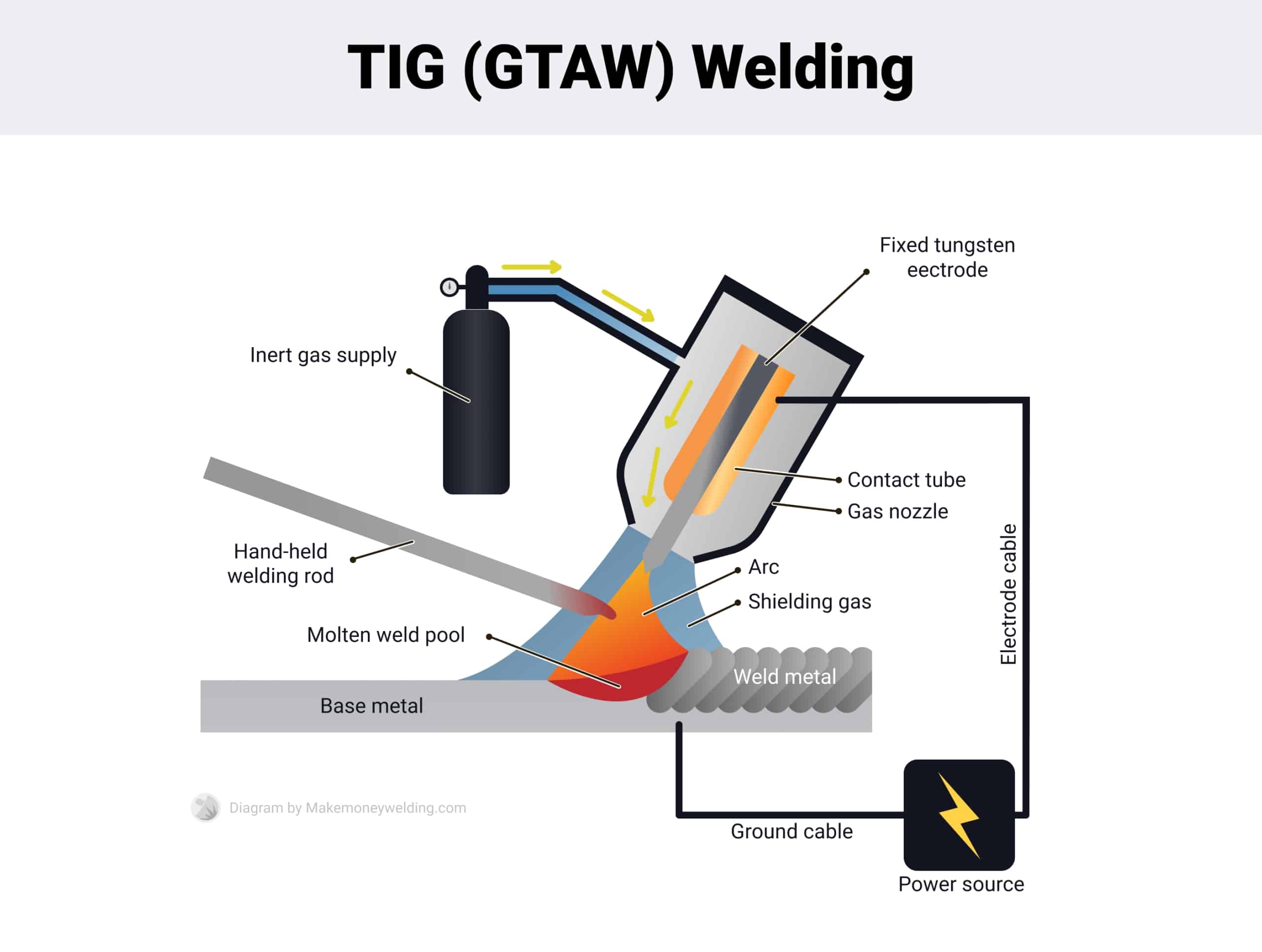
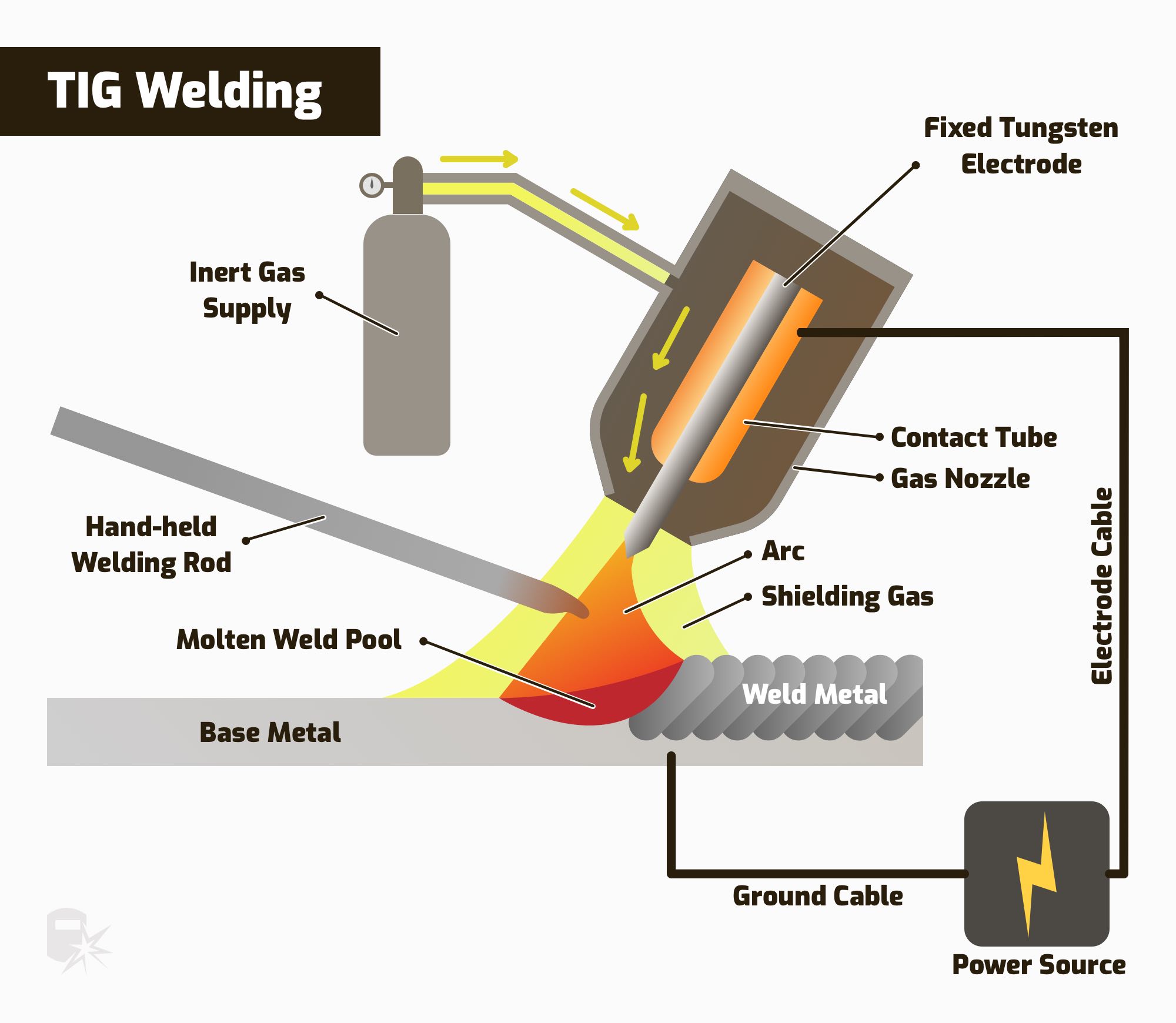
So, what exactly does TIG welding stand for? It’s an acronym for Tungsten Inert Gas welding. Let's break that down a little. The "Tungsten" refers to the electrode used in the process. Unlike some other welding methods where the electrode is consumed and becomes part of the weld, the tungsten electrode in TIG welding is non-consumable. It’s super tough and primarily serves to create the arc that melts the base metal and the filler rod (which you add separately). The "Inert Gas" part typically refers to argon, or sometimes a mix with helium, which is fed through the torch to shield the weld area from atmospheric contamination. This gas creates a protective bubble, preventing oxygen and other airborne elements from reacting with the molten metal, which would otherwise lead to a weak and ugly weld.
The beauty of TIG welding lies in its precision and versatility. For beginners and hobbyists, it’s a fantastic way to learn true craftsmanship. You have incredible control over the heat and the addition of filler material, making it ideal for thin metals and intricate designs. Imagine being able to build custom furniture, repair delicate automotive parts, or even create stunning metal art that looks professionally made! For families, having someone skilled in TIG welding can mean durable, high-quality repairs on everything from outdoor patio furniture to a cherished bicycle frame, often saving money and extending the life of beloved items. It’s a skill that empowers you to create and restore with exceptional quality.
Must Read
TIG welding truly shines when working with metals like aluminum, stainless steel, and chrome-moly, which are notoriously difficult to weld cleanly with other methods. You’ll find TIG welds on high-performance race cars, aircraft components, food-grade stainless steel equipment, and intricate sculptures. There are variations, like AC (Alternating Current) TIG for aluminum, and DC (Direct Current) TIG for steel and stainless steel, each offering specific benefits depending on the metal you’re working with. The clean, strong, and visually appealing welds are a hallmark of this process, making it the go-to for situations where aesthetics and integrity are paramount.
Thinking about getting started? Here are a few simple tips. First and foremost, safety is key! Always wear a proper welding helmet with the correct shade, thick leather gloves, and protective clothing to shield yourself from UV rays and sparks. Start by practicing on scrap metal, focusing on getting a consistent puddle and laying down a straight bead without filler. There are tons of great online tutorials and local community college classes that can provide hands-on guidance. Don't be afraid to make mistakes – that's how you learn! Patience is your best friend with TIG; it has a steeper learning curve than some other welding types, but the satisfaction of a perfect weld is absolutely worth it.
Ultimately, TIG welding is more than just joining two pieces of metal; it’s about mastering a craft that allows you to turn raw materials into something beautiful and functional. The feeling of seeing your own precise, clean weld holding strong is incredibly rewarding. It's a skill that can open up a world of creativity, practical repairs, and a genuine sense of accomplishment, proving that sometimes, the most challenging skills offer the most profound enjoyment.