
What Does The Wattage Of A Light Bulb Indicate
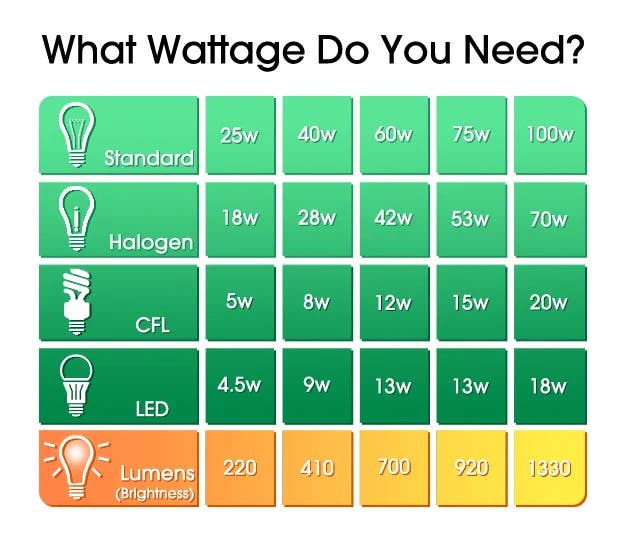
Ever stared at a light bulb and wondered what that little number with "W" next to it actually means? We're talking about the wattage, of course! It's more than just a random number. It's the key to understanding how much energy your light bulb is slurping up.
Think of it like this: your light bulb is a tiny energy-eating monster. The wattage tells you how hungry that monster is. A higher wattage means a hungrier, more power-consuming monster!
So, What Exactly is Wattage?
In the simplest terms, wattage measures power. It describes the rate at which an electrical device, like our friendly light bulb, uses energy. Basically, it's energy consumption per unit of time.
Must Read
Imagine filling a bucket with water. Wattage is like how fast the water is flowing from the tap. A wider open tap (higher wattage) fills the bucket faster (uses more energy quickly).
Light Bulb Wattage: The Early Days
Back in the day, wattage was a pretty good indicator of brightness. A 100-watt bulb was generally brighter than a 60-watt bulb. This was mostly because incandescent bulbs were the main option.
Incandescent bulbs produce light by heating a filament until it glows. The higher the wattage, the more heat, and the brighter the light. Simple, right?
The Plot Twist: Energy Efficiency Arrives!
Then came the energy-efficient light bulbs! CFLs (Compact Fluorescent Lamps) and LEDs (Light Emitting Diodes) changed the game. Suddenly, wattage became less about brightness and more about efficiency.
These newer bulbs produce the same amount of light (or even more!) with far less energy. Think of it as a diet for your light bulbs. They're getting the job done with fewer calories (watts)!
Lumens: The New Brightness Benchmark
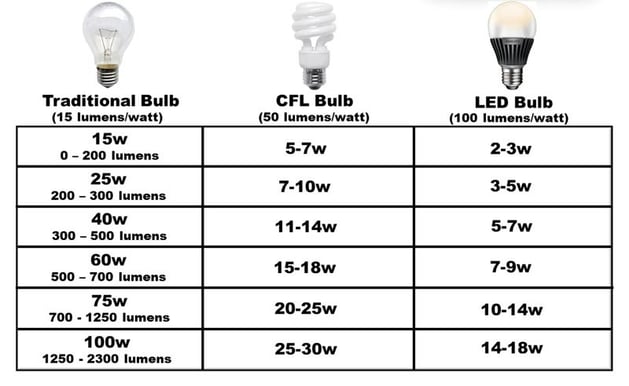
So, if wattage isn't the best way to judge brightness anymore, what is? Enter lumens! Lumens are the true measurement of how much light a bulb produces.
Think of lumens as the amount of light pouring out of the bulb. More lumens equals a brighter light. Pay attention to the lumen rating on the bulb's packaging.
Wattage vs. Lumens: A Modern Romance
Now, wattage and lumens work together. Wattage tells you how much energy the bulb uses. Lumens tell you how bright it is.
You want a bulb with high lumens and low wattage. This means you're getting a bright light while saving energy and money. It's like having your cake and eating it too!
Why Should You Care About Wattage?
Knowing about wattage helps you make smart choices. You can choose energy-efficient bulbs that save you money on your electricity bill. Who doesn't love saving money?

Consider the environmental impact. Lower wattage bulbs reduce your carbon footprint. It's a small change that can make a big difference. You can even brag about your eco-friendly lighting choices!
Finding the Perfect Bulb: A Practical Guide
When shopping for light bulbs, check the lumen rating first. Determine how much brightness you need for the specific area. Consider the size of the room, amount of natural light, and tasks you perform.
Next, look at the wattage. Compare different bulbs with similar lumen ratings. Choose the one with the lowest wattage. Voila! You've found an energy-efficient, budget-friendly option.
Decoding the Light Bulb Package
Light bulb packaging is full of useful information. Look for the lumen rating, wattage, and estimated yearly energy cost. Some packages even show the bulb's lifespan.
Pay attention to the "light appearance" or "color temperature." This is measured in Kelvin (K). Lower Kelvin values (around 2700K) produce warm, yellowish light. Higher Kelvin values (around 5000K) produce cool, bluish-white light.
Incandescent vs. CFL vs. LED: The Showdown
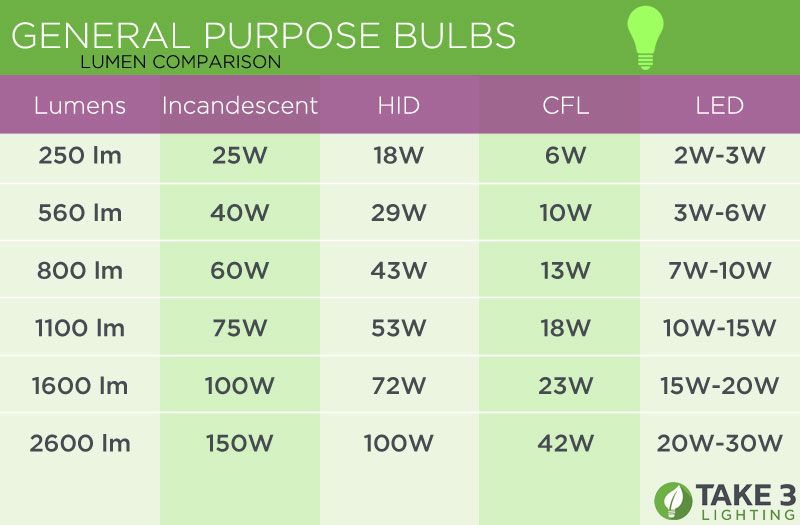
Incandescent bulbs are the old-school energy guzzlers. They produce a warm, pleasing light but waste a lot of energy as heat. Think of them as the classic cars of the lighting world – charming but not very efficient.
CFLs are more efficient than incandescent bulbs. They last longer and use less energy. However, they contain a small amount of mercury. CFLs need proper disposal and might take time to reach full brightness.
LEDs are the superstars of energy efficiency. They use very little energy and last for years. LEDs are more expensive upfront. LEDs come in a wide range of colors and brightness levels, and contain no harmful substances.
Wattage Restrictions: A Glimpse into the Future
Many countries are phasing out inefficient light bulbs. This means you might find it harder to buy high-wattage incandescent bulbs. These measures encourage people to switch to more efficient alternatives.
It's all part of a global effort to reduce energy consumption and combat climate change. So, embracing energy-efficient lighting is not only good for your wallet but also good for the planet.

Beyond Light Bulbs: Wattage in Other Devices
Wattage isn't just about light bulbs. It applies to all electrical devices. Your refrigerator, TV, and hairdryer all have wattage ratings. All of these rates determine how much energy they use.
Knowing the wattage of your appliances helps you understand your energy consumption. It helps make informed decisions about energy use. You can find this information on a sticker or plate attached to the device.
Wattage: It's All About Energy
Understanding wattage empowers you to make smart energy choices. You can reduce your electricity bill and minimize your environmental impact. Plus, you'll feel like a lighting expert!
So, next time you reach for a light bulb, take a moment to consider the wattage. You might be surprised at how much you can save. Happy lighting!
"To truly appreciate the power of a light, one must first understand the significance of its wattage." - Thomas Edison's Hypothetical Notebook