
What Does The Term Energy Mean

Ever noticed how often the word "energy" pops up in our daily chats? We talk about having no energy, needing more energy, energy drinks, renewable energy, energy bills... it's everywhere! But if someone asked you, point-blank, "What actually is energy?" would you be able to give a simple, chill answer?
Don't worry, you're not alone if you'd pause for a sec. It's one of those fundamental concepts that's both incredibly simple and yet, when you dig into it, utterly mind-bending. So, let's peel back the layers and explore what this universal term truly means, in a way that's hopefully more fun than a science textbook!
The Super Simple Core Idea: The Ability to Do... Stuff!
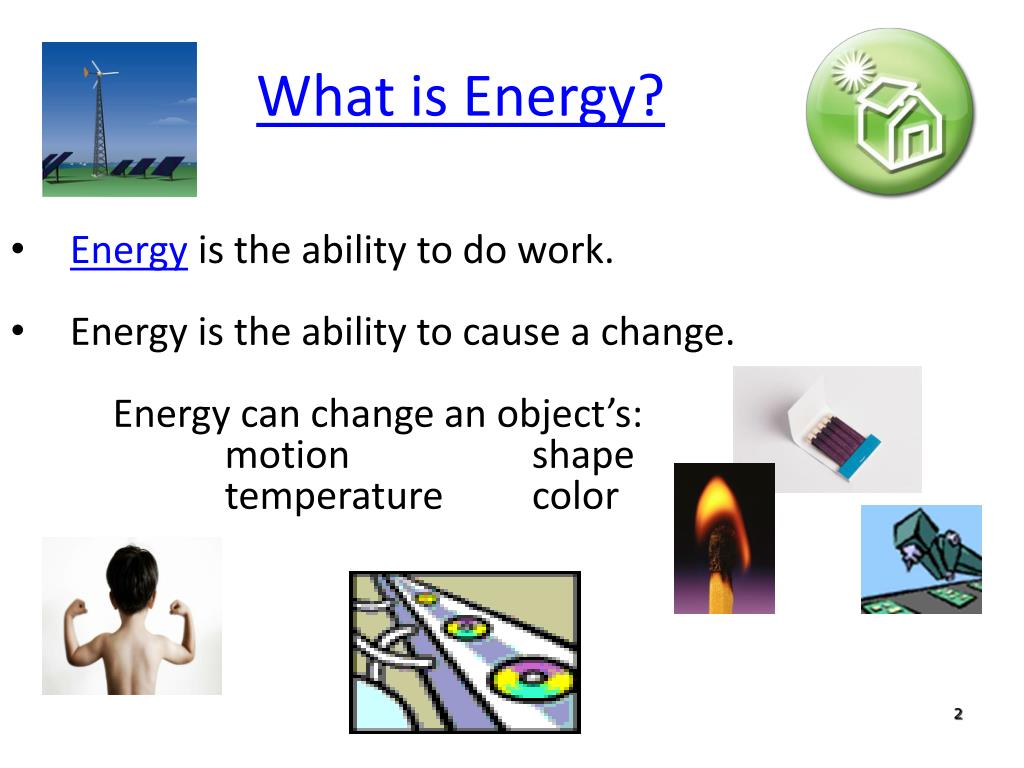
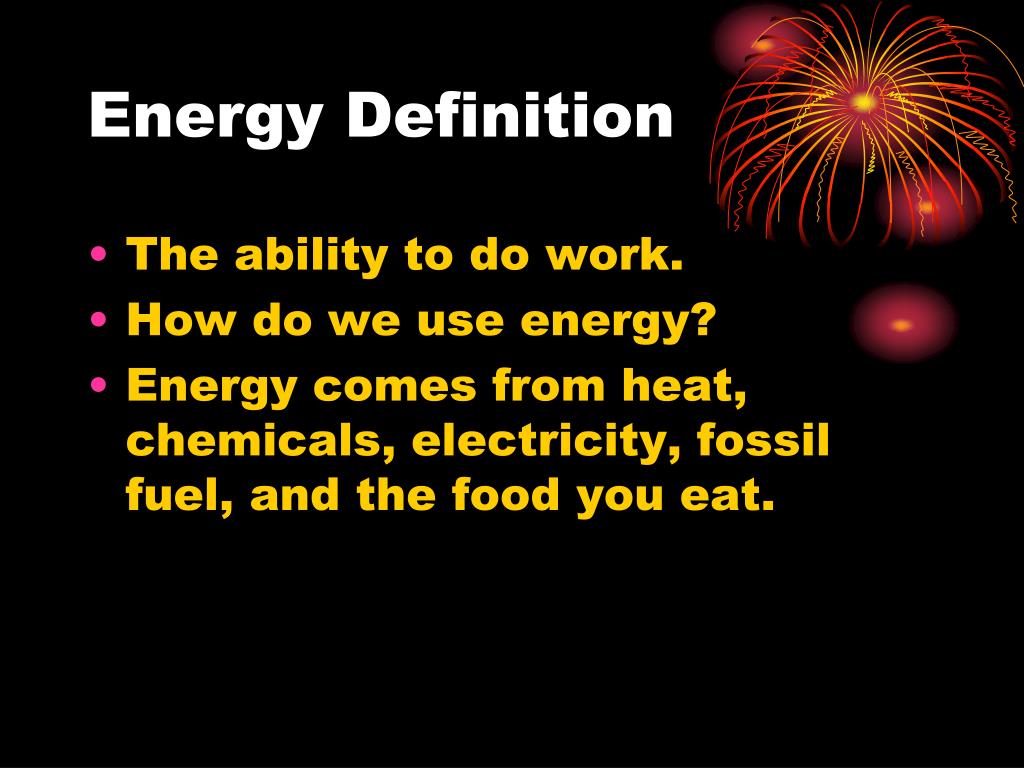
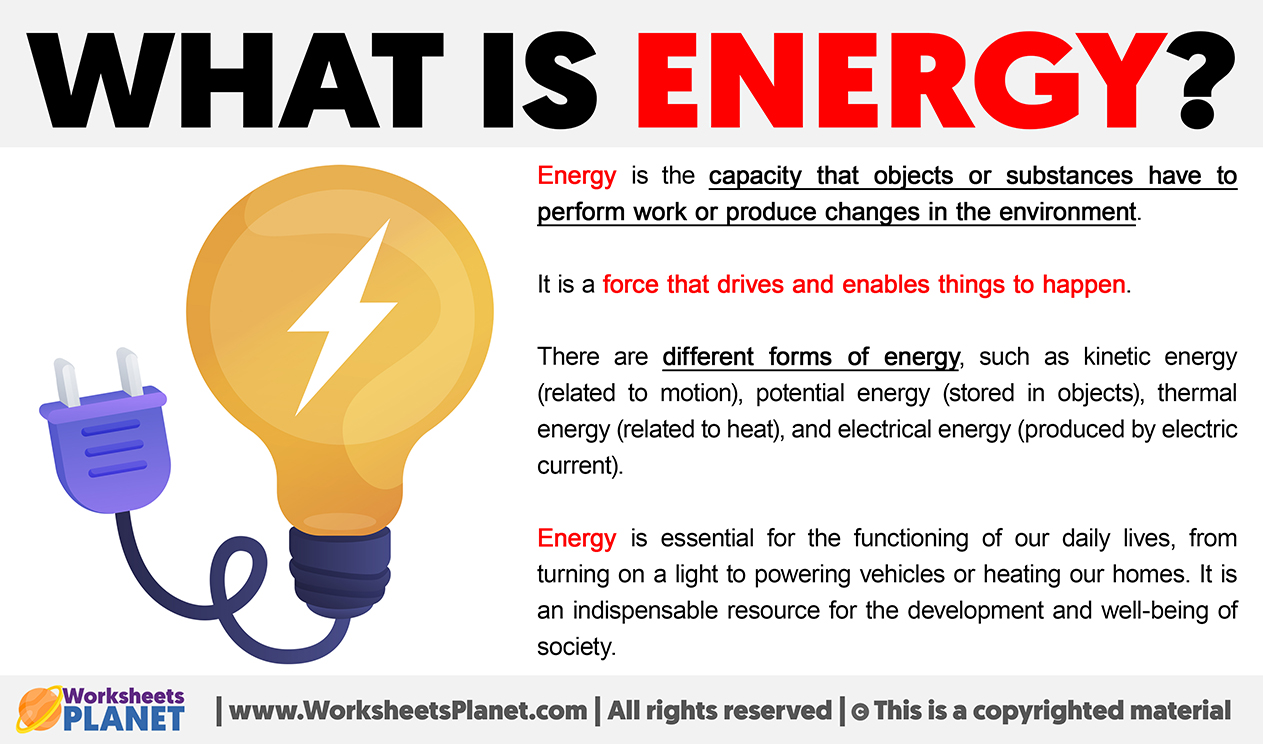
At its absolute core, energy is simply the ability to do work. Now, don't picture filing tax returns or sitting in an office. In science-speak, "work" means causing a change or making something happen.
Must Read
Think about it:
- Your car needs energy (from fuel) to move.
- Your phone needs energy (from its battery) to light up.
- You need energy (from that banana you ate) to read this sentence.
Two Big Flavors of Energy: Doing vs. Waiting
To make things a bit easier to grasp, scientists generally talk about two main types of energy:

1. Kinetic Energy: The "Go-Go-Go!" Energy
This is the energy of motion. If something is moving, it has kinetic energy. The faster and heavier it is, the more kinetic energy it packs.
Imagine:
- A car speeding down the highway.
- The wind rustling through the trees.
- Water flowing over a waterfall.
- Your fingers typing on a keyboard right now!
2. Potential Energy: The "Ready-to-Go!" Energy
This is stored energy, just waiting for the perfect moment to be released and do some work. It's energy that something possesses due to its position or state.
Think about these examples:
- A ball poised at the very top of a hill, ready to roll down.
- A stretched rubber band, eager to snap back.
- The fuel in your car's tank, packed with chemical energy.
- A fully charged battery, brimming with electrical potential.
- Even the food in your fridge – it's full of chemical potential energy, waiting for you to eat it and turn it into kinetic energy (like running!).
Energy's Superpower: It Never Disappears, It Just Transforms!
Here's where it gets really cool: one of the most fundamental rules of the universe is that energy cannot be created or destroyed. It can only change from one form to another. This is often called the Law of Conservation of Energy.
Think of it like this: energy never leaves the party; it just keeps changing its outfit!
Consider these daily transformations:
- When you eat that banana (chemical potential energy), your body converts it into kinetic energy (when you run) and heat energy (keeping you warm).
- A hydroelectric dam converts the potential energy of water held high up into kinetic energy as it falls, which then turns turbines, generating electrical energy.
- Your smartphone takes electrical energy from the charger (or battery) and transforms it into light energy (the screen), sound energy (the speakers), and heat energy (why it sometimes gets warm!).
- Even sunlight (radiant energy) is captured by plants (photosynthesis) to create chemical potential energy, which then feeds us, ultimately powering our muscles and thoughts.
Why Is It So Important (and So Cool)?
Understanding energy is key to understanding everything. It's the unifying thread that connects all scientific disciplines. From chemistry to biology, physics to astronomy, energy is the fundamental concept that allows us to explain how the world (and indeed, the cosmos) works.
It's why stars shine, why plants grow, why we can think and move, why our gadgets function. It’s the invisible force that orchestrates every single event, every change, every movement.
So, next time you hear someone mention "energy," take a moment to appreciate this incredible, shape-shifting phenomenon. It's not just a buzzword; it's the very fabric of existence, constantly flowing, transforming, and enabling all the amazing things around us. It's truly the universe's most versatile and indispensable resource.