
What Does The Switch On A Fan Do

Okay, so picture this: it’s sweltering, right? Like, "my-eyeballs-are-sweating" kind of hot. You stumble over to your trusty fan, probably a bit dramatically, and there it is. That little knob, or those few buttons, staring back at you. And you just... click or turn. And then, ahh, blessed relief. But have you ever paused, just for a millisecond, and wondered, "What even is that thing doing?"
I mean, it seems obvious, doesn't it? It turns the fan on. And off. Duh. But let's be real, we're friends here. We can go a little deeper, right? Because it's not just a simple on-and-off tango. There's a subtle ballet of... well, air movement and electricity happening behind the scenes.
Think of it like this: the fan switch is the ultimate gatekeeper. When it's off, it's basically saying, "Nope! No electricity for you today, fan motor!" It creates an open circuit, like a broken bridge for the tiny electrical current trying to get to its destination. The current is blocked, the motor doesn't get its essential energy, and thus, stillness. Silence. And probably, continued sweating on your part. Sad trombone sound.
Must Read
But then, you make that glorious decision. You click it to "On." What happens then? Voila! You've just completed the circuit. You've built that bridge, and now the electricity can flow freely from your wall outlet, through the cord, past the switch, and into the fan's motor. The motor, feeling all energized and ready to party, starts to spin the blades. And those blades? They're basically tiny, very enthusiastic hands pushing air around. Phew! Relief!
But Wait, There's More! The Speed Factor!
Now, this is where it gets a little more fun than just "on" or "off." Most fans aren't just a binary choice, are they? You've got your low, your medium, your "oh-my-goodness-I'm-in-a-wind-tunnel" high speed. How does that happen? Does the switch just... yell louder at the electricity to go faster?
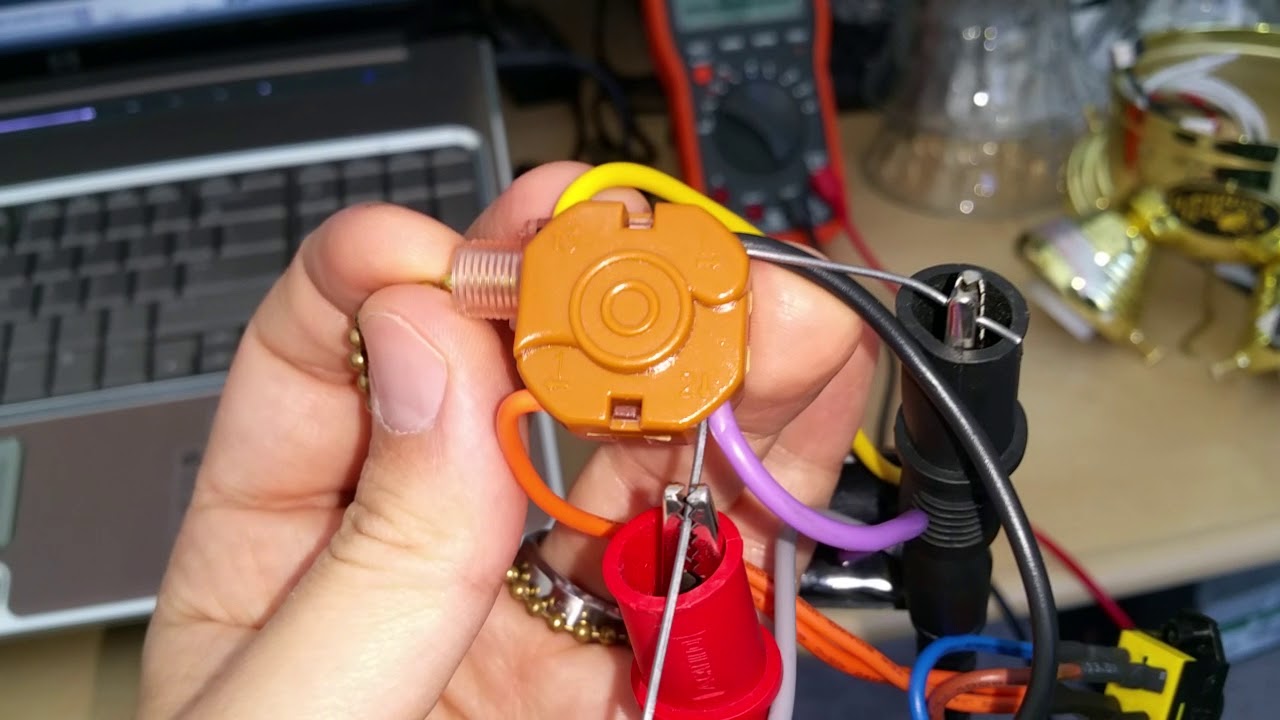
Not quite. Though that's a delightful image. What's actually happening inside that little switch (or button panel) is a clever bit of electrical wizardry involving something called resistance. Don't glaze over! It's super simple to grasp, I promise. Imagine electricity as water flowing through a hose. The switch, in this analogy, is like a variable nozzle.
When you set your fan to "low," the switch is essentially telling the electrical current, "Hey, take it easy. Put some resistance in your path." It's like partially crimping the hose. Less water (electricity) gets through, so the motor spins slower, and you get a gentle breeze. Just enough to rustle a few papers, maybe cool your forehead a smidge.
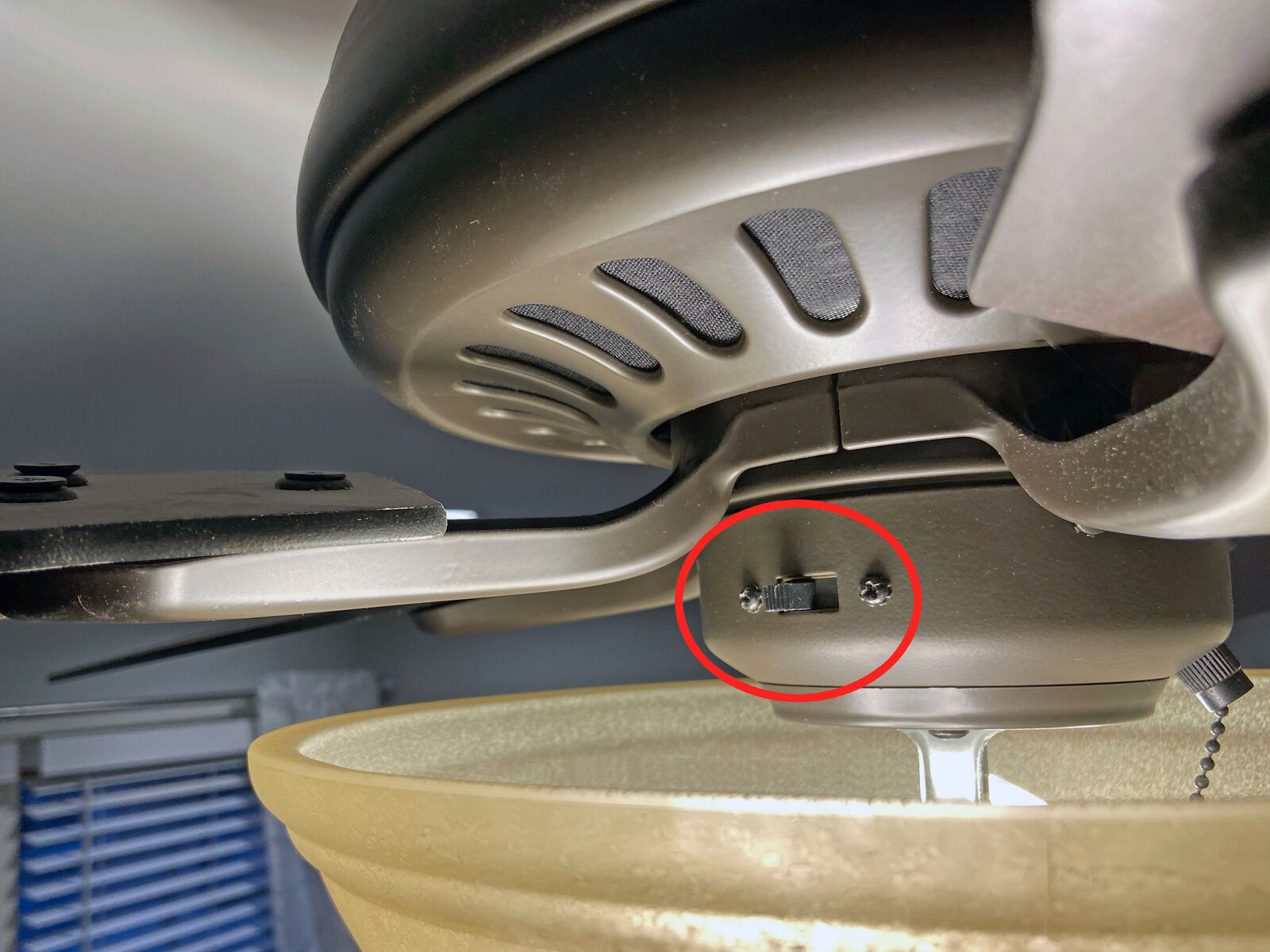
Flip it to "medium," and the switch reduces that resistance a bit. More current flows through, the motor picks up the pace, and your papers are now doing a lively dance. You're feeling pretty good about life.
And then, for the grand finale, "high." The switch pretty much throws caution to the wind, removes almost all resistance, and says, "Full speed ahead, electrical current! Let's get this party started!" A torrent of electricity floods the motor, which then goes into overdrive, spinning those blades with maximum enthusiasm. You're now probably clutching your hair, enjoying the full gale-force experience, and wondering if you should anchor yourself to the couch. It's truly a powerful feeling, isn't it?

Beyond the Basic Spin
Some fancier fans have even more options, right? Oscillate, anyone? That's the switch telling a tiny secondary motor to kick in and start moving the main fan head back and forth. Or maybe a "natural breeze" mode, which just cycles through different speeds to mimic an actual outdoor breeze. It's all just the switch acting as the central command unit, sending different instructions to different parts of the fan, all thanks to that simple, humble interaction you have with it.
So, the next time you reach for that fan switch, remember: you're not just flipping a lever. You're engaging with a surprisingly elegant piece of engineering that controls the very flow of energy, orchestrates the movement of air, and ultimately dictates your comfort level. It's a small act with a huge payoff, especially on those "my-eyeballs-are-still-sweating" days. Pretty neat for something we usually take totally for granted, huh?
