
What Does The Numbers On A Welding Rod Mean
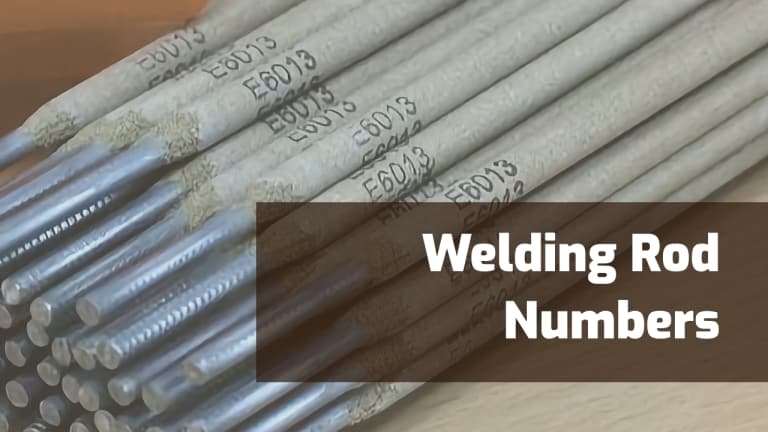
Ever stared at a welding rod and felt like you were looking at some secret code? Don't worry, you're not alone! Those numbers might seem intimidating, but they're actually super helpful. Think of them like the ingredients list on your favorite snack – they tell you exactly what you're getting, and how it's going to perform.
Imagine you're baking cookies. You wouldn't just throw in any old flour, right? You'd check the bag to make sure it's the right kind for cookies, not bread! Welding rods are the same. Knowing what those numbers mean helps you choose the right rod for the right job, leading to a strong and lasting weld.
Decoding the E-Number: Your Welding Rod's Secret Identity
Let's crack this code, starting with the most important part: the "E" number. Most welding rods start with a letter "E," followed by a series of digits. The "E" stands for electrode, which is just a fancy word for the welding rod itself.
Must Read
Now, here's the breakdown of those numbers:
The First Two (or Three) Digits: Tensile Strength. These digits tell you the tensile strength of the weld metal, measured in thousands of pounds per square inch (PSI). For example, "E7018" means the weld has a tensile strength of 70,000 PSI. Think of it like this: It's how much pulling force that weld can withstand before breaking. Higher numbers generally mean stronger welds.

The Third (or Fourth) Digit: Welding Position. This digit indicates the positions in which the rod can be used effectively.
- "1" means the rod can be used in all positions: flat, horizontal, vertical, and overhead. This is your go-to for maximum flexibility.
- "2" means the rod is suitable for flat and horizontal positions.
- "4" means the rod is suitable for flat, horizontal, overhead and vertical down positions.
Think of it like a yoga instructor! A "1" rod is like a flexible yogi who can nail any pose, while a "2" rod is more comfortable in certain positions.
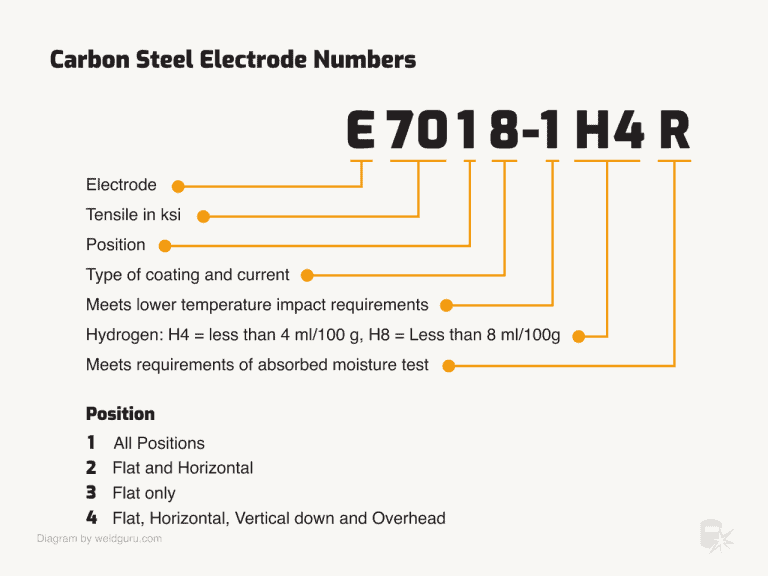
The Last Two Digits: Coating and Current. These are the trickiest, as they tell you about the rod's coating (flux) and the type of current (AC or DC) it requires. Different coatings offer different benefits, like shielding the weld from the atmosphere and controlling the weld puddle. The last two digits can be read together as one value.
This is where it gets a bit more technical, and you might need to consult a welding chart or your rod's packaging for specific details. Different number combinations indicate different flux types, arc characteristics, and welding current requirements.

Why Should You Care? (Besides Avoiding a Weld-tastrophe)
Okay, so you know what the numbers mean. But why bother learning them? Here's the deal:
- Stronger Welds: Using the right rod for the job is crucial for creating strong, reliable welds that won't crack or fail under stress. Imagine building a fence with popsicle sticks instead of proper wood. It might look okay at first, but it won't last long!
- Better Weld Quality: The right rod will give you a smoother, cleaner weld with fewer defects. This means less time grinding and cleaning up, and a more professional-looking finish.
- Safety: Using the wrong rod can be dangerous, leading to weak welds that can break and cause injury. This can happen in structural applications, or simply with welds that are under stress.
- Saving Money: Buying the right rod the first time saves you money in the long run by reducing the need for repairs and rework. Think of it as an investment in a job well done.
Real-World Example: Let's say you're welding a trailer hitch. You'll want a rod with a high tensile strength (like E7018) and one that can be used in all positions, since you'll likely be welding in awkward spots. Using a weaker rod or one designed for flat positions could lead to a weld that fails under stress, which could be disastrous!
Don't Be Intimidated!
Decoding welding rod numbers might seem complicated at first, but with a little practice, it becomes second nature. Think of it as learning a new language – start with the basics, and you'll be fluent in no time!
Don't be afraid to ask your local welding supply store for advice. They're experts and can help you choose the right rod for your specific project. And remember, practice makes perfect. The more you weld, the more comfortable you'll become with different rods and their characteristics.
So, the next time you pick up a welding rod, take a moment to look at those numbers. They're not just random digits – they're the key to a strong, reliable, and safe weld. Happy welding!