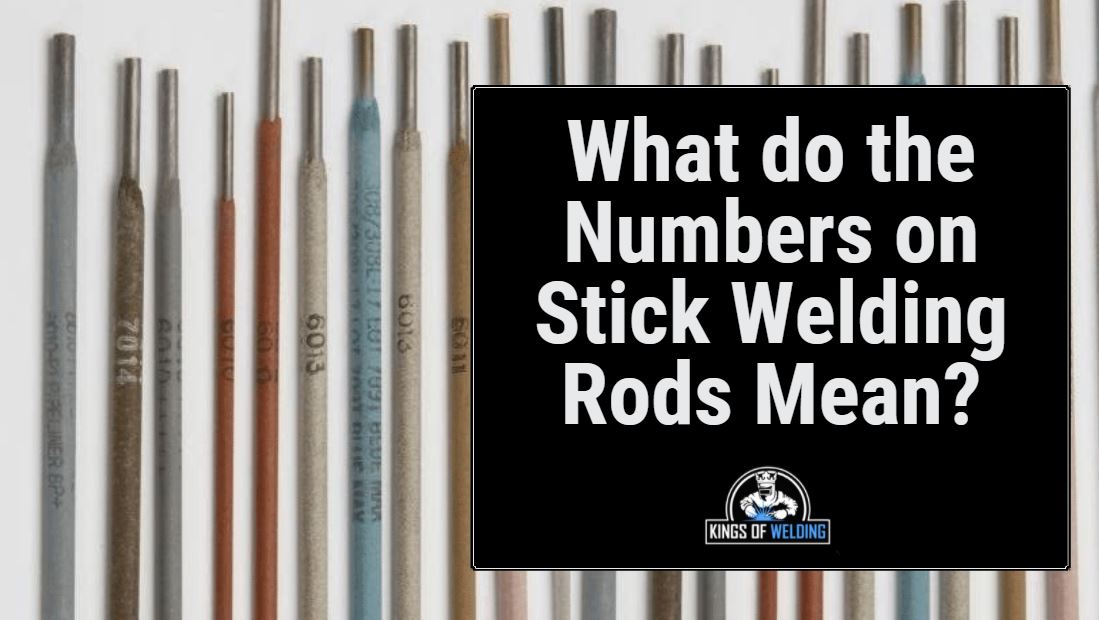
What Does The Numbers Mean On A Welding Rod
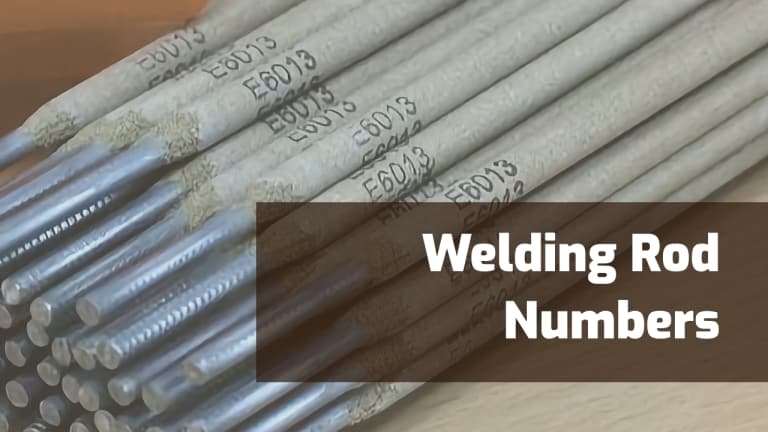
Welding. It’s not just for pipelines and skyscrapers anymore! From quirky garden art to intricate metal sculptures, welding is having a moment. But before you strike an arc and unleash your inner metal maestro, there's a little secret code you need to crack: the numbers on your welding rod. They might look intimidating, but understanding them is easier than you think, and it unlocks a whole new level of creative control.
Why should artists, hobbyists, and even casual DIYers bother deciphering these digits? Well, knowing your electrode designations is like having a secret weapon. It allows you to select the perfect rod for the job, ensuring stronger, cleaner welds and making your projects last. Imagine building a beautiful metal flower sculpture, only to have the petals fall off because you used the wrong type of rod! Understanding the numbers is your insurance policy against metal mishaps.
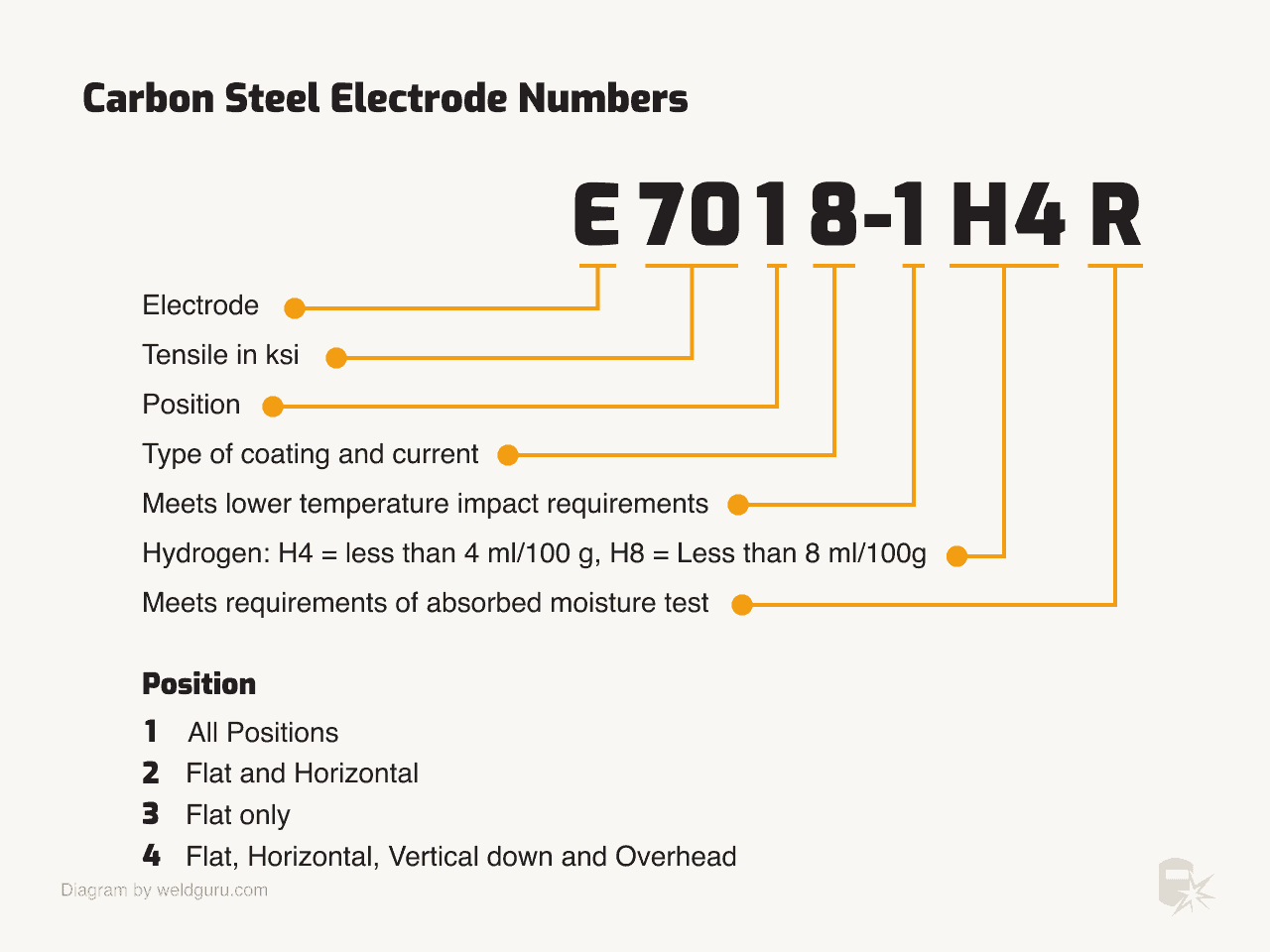
Let's break down the basics. The most common type of rod is the E7018. The "E" simply stands for electrode. The first two digits, "70," indicate the tensile strength, meaning the weld metal's ability to resist being pulled apart. In this case, 70 means 70,000 pounds per square inch (PSI). Higher numbers generally mean a stronger weld. The third digit, "1," tells you the welding position. A "1" means it can be used in all positions (flat, horizontal, vertical, and overhead). A "2" usually means flat and horizontal only. The last digit, "8," refers to the coating type and welding current. These dictate the arc characteristics, penetration, and slag formation, significantly affecting weld quality and appearance. Some variations include E6010, known for its deep penetration – great for dirty or rusty metal; E6013, an all-position rod suitable for thinner metals, making it easier for beginners to use; and E7024, a high-deposition rod used primarily in flat or horizontal positions for faster welding.
Must Read
Ready to give it a try at home? First, always prioritize safety! Wear a welding helmet, gloves, and appropriate clothing. Second, start with a simple project. Maybe a small metal box or a simple bracket. Third, choose the right rod for the type and thickness of metal you are using. For mild steel projects, E6013 or E7018 are good starting points. Fourth, practice on scrap metal before tackling your actual project. Get a feel for the arc and how the rod behaves. Finally, remember that consistent practice is key to improving your welding skills. Watch videos, read articles, and don't be afraid to experiment!
Ultimately, welding is enjoyable because it's a transformative process. You take disparate pieces of metal and fuse them together, creating something new and enduring. Understanding the language of welding rods empowers you to control that transformation, to shape metal according to your vision. It’s a rewarding skill that opens up a world of creative possibilities. So, grab your helmet, choose your rod, and start creating something amazing!