
What Does The Inside Of A Train Engine Look Like

Ever wondered what goes on behind the scenes of a rumbling, roaring train? I mean, really, what's hiding inside that metal beast?
Forget your everyday commute for a second. Let's dive headfirst into the fascinating innards of a train engine. Trust me, it’s way more interesting than you think.
A Peek Inside the Iron Horse
Imagine opening the door to a secret world. That’s kind of what it’s like stepping inside a train engine.
Must Read
It's not just seats and windows, folks. It's a powerhouse of engineering and raw mechanical muscle.
The Control Center
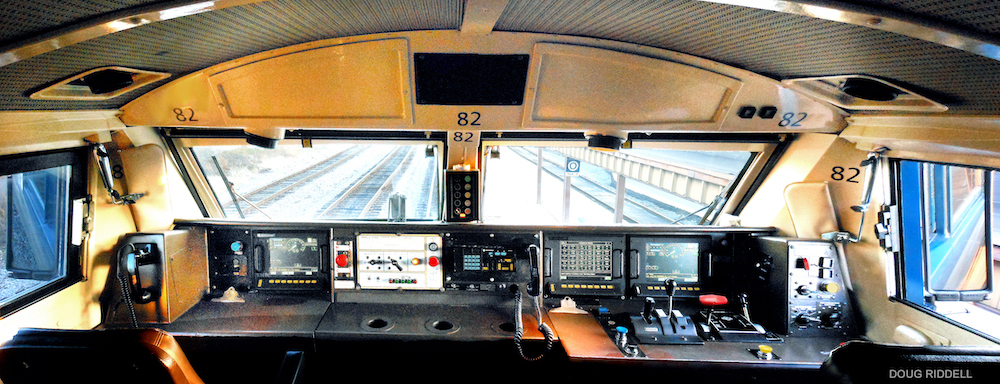
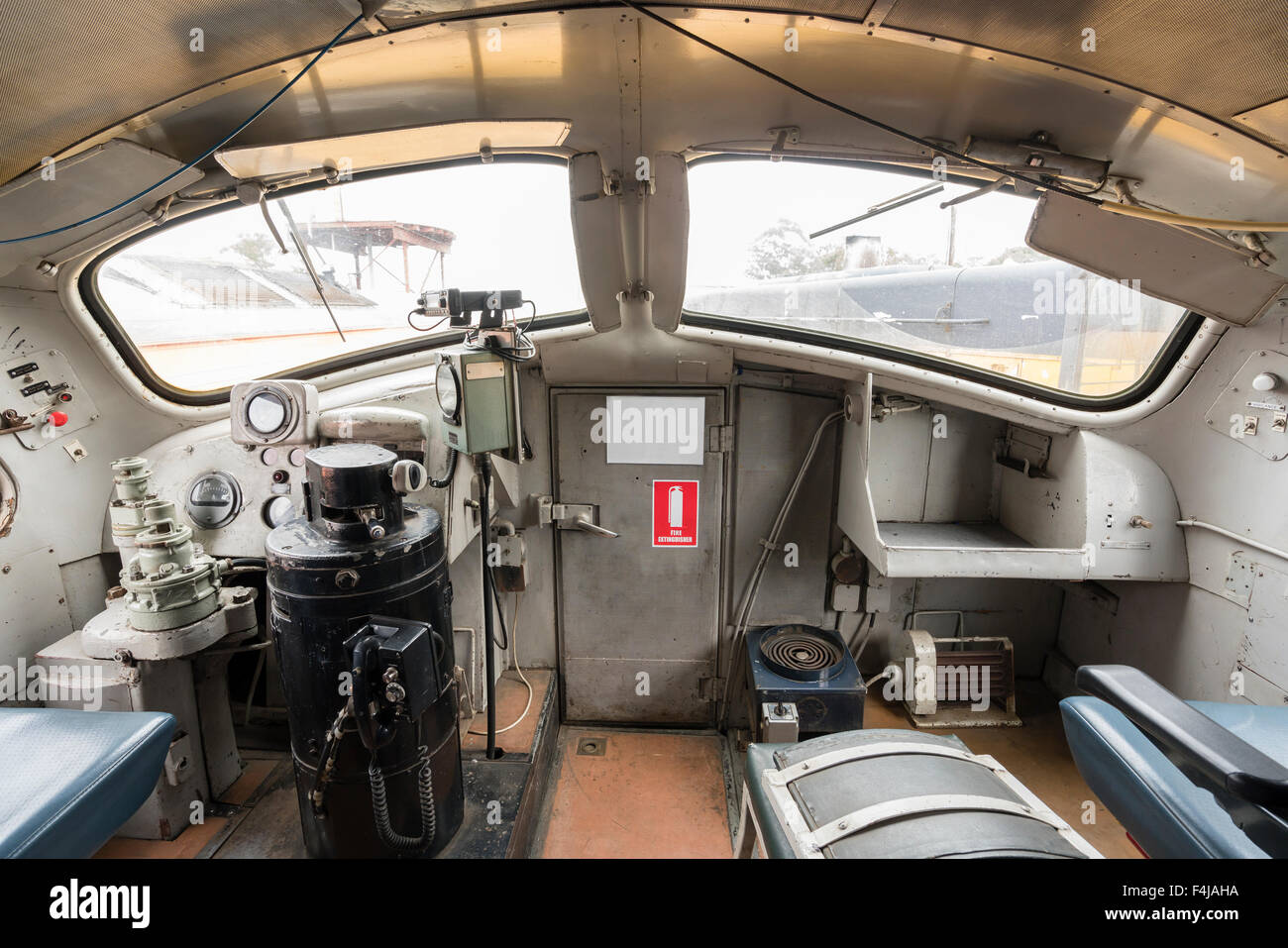
First, you’ve got the driver's cab. This is the nerve center of the whole operation.
It's packed with gauges, levers, and buttons. Think of it as a high-tech, slightly steampunk cockpit.
The engineer, or driver, is the conductor of this mechanical symphony. They control everything from the speed to the brakes. Pretty cool, right?
The Heart of the Machine
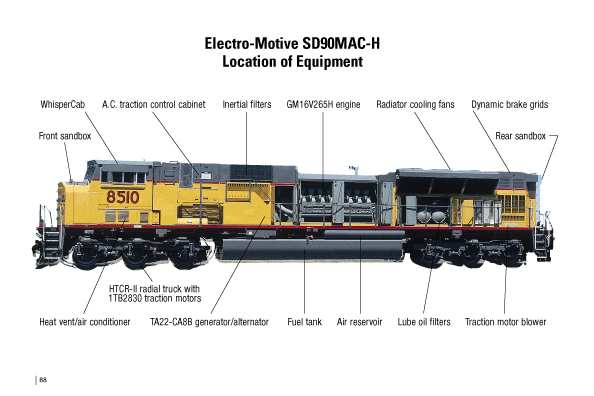
But wait, there’s more! Let's get to the really juicy stuff: the engine itself.
Depending on the type of train, you might find a diesel engine. Or even an electric motor!
Diesel engines are like giant car engines, but way, way bigger. They convert fuel into power that spins the wheels.
Electric motors, on the other hand, use electricity from overhead lines or a third rail. These are super efficient and quiet.
Gears, Gears, Everywhere
Next up: the gears and transmissions. This is where the engine's power gets translated into motion.
It's a complex dance of interlocking metal teeth. They work together to turn the wheels and pull the train forward.
The sheer size and complexity of these gears are mind-boggling. It's a testament to human ingenuity and engineering prowess.
Pipes and Wires Galore
Look around, and you'll see a tangled web of pipes and wires. These are the arteries and veins of the train.
They carry fuel, oil, coolant, and electricity to all the vital components. It’s a bit like looking at the inside of a giant, mechanical body.
Each pipe and wire has a specific purpose. It all adds to the symphony of controlled power.
The Brakes: Stopping Power
Of course, you can't forget about the brakes. Stopping a multi-ton train requires serious stopping power.
Most trains use air brakes. These use compressed air to push brake pads against the wheels.
It's a simple but incredibly effective system. And critical to ensure the train's safety.
Why It's So Darn Cool
So, why is all of this so interesting? Why should you care about what’s inside a train engine?
Well, for starters, it's a fascinating example of engineering at its finest. It's raw power made safe and reliable.
It's also a window into the history of transportation. From steam engines to modern electric locomotives, trains have always been at the forefront of innovation.
A Touch of Steampunk
Let's be honest, there's something undeniably cool about all the gears, pipes, and levers. It's like stepping into a steampunk novel.
It sparks the imagination and makes you wonder about the possibilities of technology. Who doesn't love a little bit of steampunk?
The Human Element
But perhaps the most interesting thing is the human element. The engineers and mechanics who design, build, and maintain these machines are true artisans.
Their knowledge and skill are essential to keeping the trains running safely and efficiently. It's a job that requires both technical expertise and a deep appreciation for the machine.
A Sensory Experience
Being inside a train engine is a sensory experience. The rumble of the engine, the smell of oil, the feel of the controls – it all adds up to something special.

It's a reminder that technology is not just about abstract concepts. It's about real, tangible things that affect our lives every day.
Getting a Closer Look
Okay, so you're probably thinking, "This sounds awesome, but how can I actually see the inside of a train engine?"
Well, there are a few options. Some museums have train engines on display. You can often walk inside and explore.
You might even be able to find a railway heritage center near you. They often offer tours and even rides on historic trains!
Museums and Exhibits
Many railway museums across the country offer opportunities to see inside train engines.
These museums preserve and showcase the history of rail travel. Often, they have restored engines that you can explore.
Check your local listings for museums in your area. You might be surprised at what you find.
Heritage Railways
Heritage railways are another great option. These are working railways that operate historic trains.
Some offer tours of their engine sheds. You may even get the chance to talk to the engineers and mechanics.
It’s a fantastic way to experience the sights and sounds of a real working railway.
Online Resources
If you can't make it to a museum or heritage railway, don't worry. The internet is your friend.
There are tons of videos and articles online that show the inside of train engines. Just search for "train engine interior" or "locomotive tour."
You might even find some virtual reality tours that let you explore the engine in 3D.
A Whole New Appreciation
Hopefully, this has given you a new appreciation for what goes on inside a train engine.
It's not just a metal box on wheels. It's a complex and fascinating machine that represents the power of human ingenuity.
So, the next time you see a train rumbling down the tracks, take a moment to think about all the amazing technology that's hidden inside. And maybe, just maybe, you'll be inspired to learn more.
Who knows, you might even become a train enthusiast yourself!
Get out there and explore the world of trains. You won't regret it!