
What Does The Gas Bill Cover
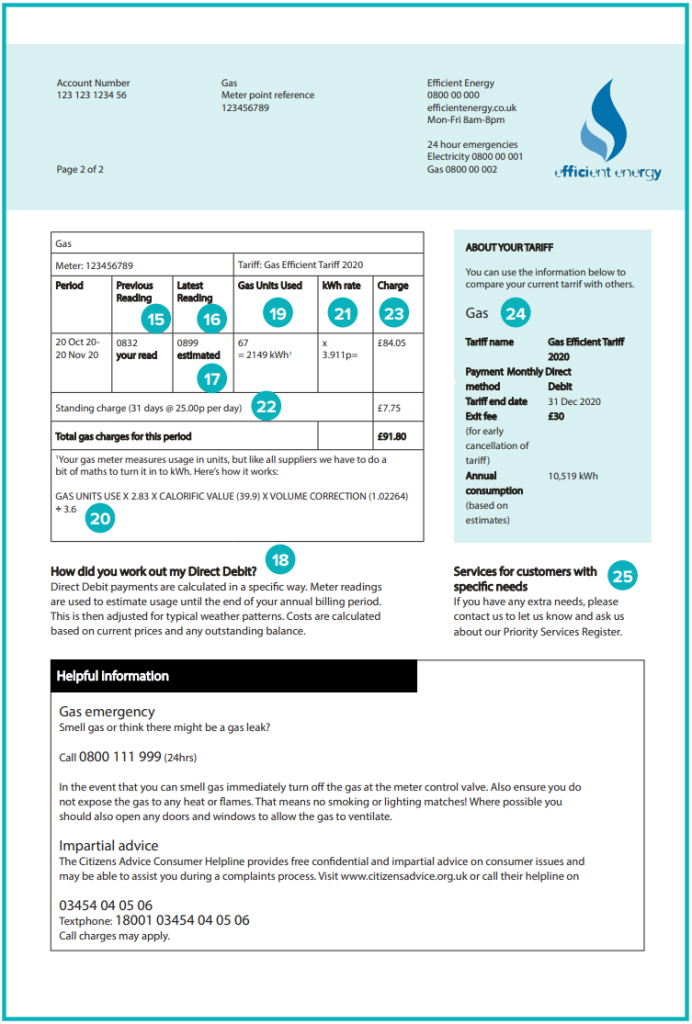
Alright, settle in, grab another imaginary latte, because we need to talk about one of life's great mysteries, right up there with "Where do all the missing socks go?" and "Why does toast always fall butter-side down?" I'm talking, of course, about your gas bill. That enigmatic piece of paper that arrives in your mailbox, often looking less like a friendly hello and more like a ransom note from your furnace.
You glance at the total, maybe sigh dramatically, and then you try to decipher the squiggly lines and numbers below. It’s like trying to read ancient hieroglyphs, except instead of discovering pharaohs, you're discovering how much you owe for… well, gas. But here’s the kicker: it’s not just about the gas. Oh no, my friend. It’s a whole theatrical production behind that number!
The Star of the Show: The Actual Gas Itself
Okay, let's start with the obvious. A big chunk of your bill is for the natural gas you actually used. This is the stuff that makes your stove flame dance like a tiny blue ballerina, heats your water for those glorious, long showers, and turns your frosty abode into a cozy haven. Think of it as paying for the dinosaurs' last breath, compressed over millions of years, and then delivered right to your doorstep. Pretty wild, right? You're basically funding a prehistoric ghost party!
Must Read
The price of this gas can fluctuate more wildly than your aunt's mood swings at Thanksgiving dinner. It depends on supply, demand, global events, and probably the current alignment of Jupiter and Venus. So, if one month your bill makes your eyes water, blame the cosmos, not just your extra-long bath.
The Invisible Ninjas: Delivery and Transportation Charges
Now, this is where it gets interesting. You might think, "I paid for the gas, why am I paying again?" Welcome to the world of delivery and transportation charges. This isn't just someone popping over with a gas canister; this is the cost of a vast, sprawling, underground network of pipelines. We're talking thousands of miles of metal arteries pumping gas to homes and businesses like yours.

These charges cover the maintenance of those pipes (imagine tiny engineers in hard hats scurrying through underground tunnels, fixing leaks!), the compressor stations that keep the gas moving (like giant lungs pushing air), and the general infrastructure that ensures gas gets from a faraway well to your furnace without turning into a chaotic free-for-all. It's the cost of the
The "Just Because You Exist" Fee: Fixed Charges
Ever get a subscription service you barely use, but it's just there? That's kind of what fixed charges feel like. These are fees you pay regardless of how much gas you use. Even if you left for a six-month sabbatical to Bali and turned off every appliance, you’d still see this little guy on your bill.
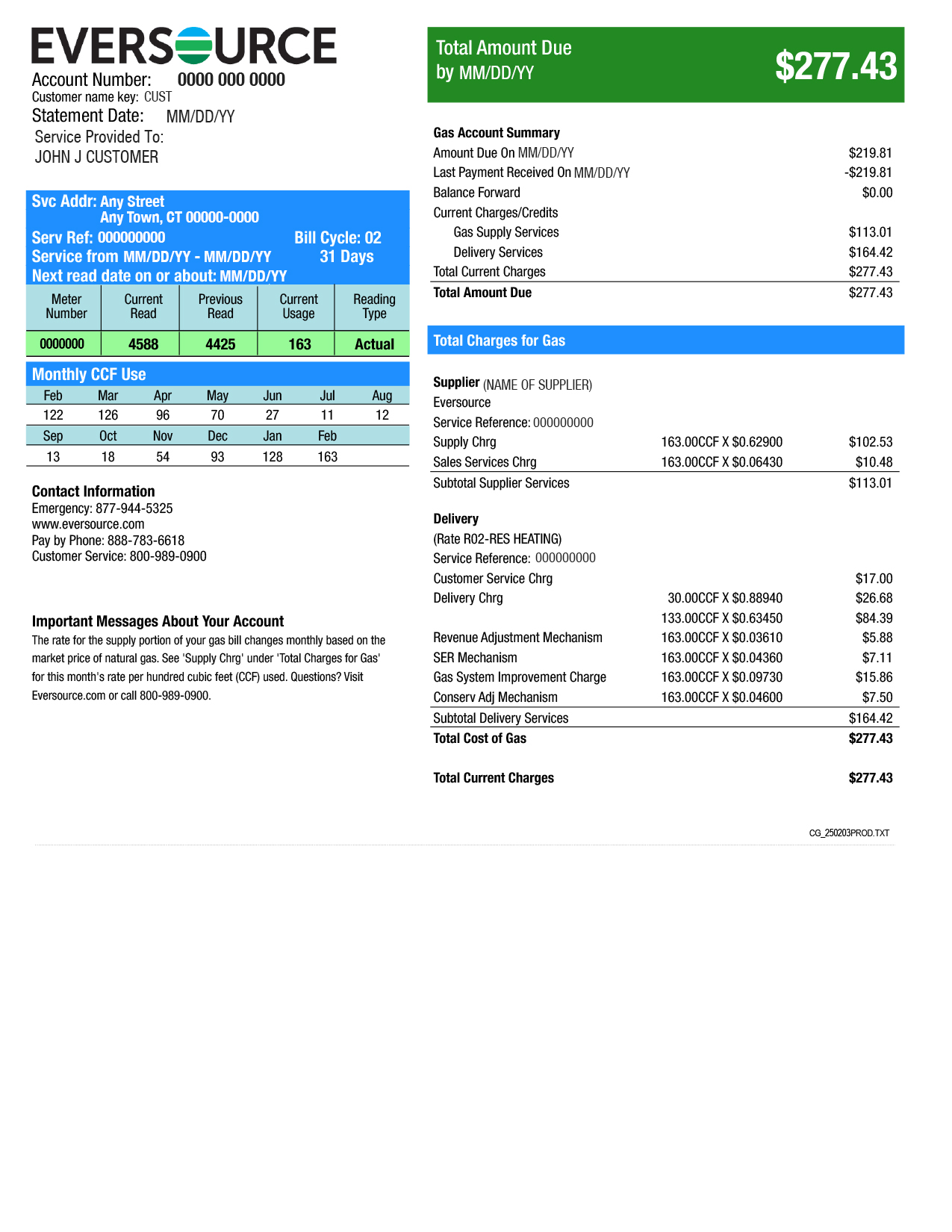
It covers things like meter reading (whether a human comes or a smart meter beams data), billing, and customer service. Basically, it's the utility company saying, "Hey, we've got you connected, and that costs us money, even if you're not boiling water for tea." Think of it as a
Uncle Sam's Cut: Taxes and Levies
Ah, taxes. The one thing truly inevitable in life, besides death and that annoying flickering light bulb you keep meaning to change. Your gas bill, like most things, comes with its own sprinkling of taxes and levies. These can be federal, state, or local, and they're usually calculated based on your usage or the total cost of the gas.

Sometimes there are also special environmental levies, designed to encourage energy efficiency or fund green initiatives. So, part of your gas bill might actually be helping to plant a tree somewhere, or perhaps fund a secret squirrel army dedicated to sustainable energy. You never know!
The Future-Proofing Fees: Conservation and Efficiency Programs
Many utilities include a small charge for conservation and energy efficiency programs. This is the company's way of saying, "We know you love our gas, but we also want you to use less of it... eventually." These funds often go towards rebates for energy-efficient appliances, home energy audits, or educational programs designed to help you save energy (and thus, ironically, reduce their own gas sales).

It’s like paying for a gym membership that encourages you to stay home and read a book instead. Confusing, but ultimately a good thing for the planet (and maybe your wallet in the long run).
Surprising Extras (or, "What else could possibly be in here?")
Occasionally, you might find other, more obscure line items. There could be a "franchise fee", which is basically what the utility pays your city for the right to operate there. Or perhaps a "transition cost", which sounds like something out of a sci-fi movie but often relates to deregulation or changes in energy markets. It's the wild card, the unexpected twist in our gas bill saga.
So, the next time that gas bill lands in your lap, don't just sigh and pay it. Take a moment. Appreciate the journey of the ancient gas, the invisible ninjas maintaining the pipelines, the fixed fee for your very existence, and the subtle nod to squirrels and trees. It’s not just a bill; it’s a detailed receipt for a complex, global, and slightly bizarre operation that keeps your home warm and your coffee hot. And that, my friend, is quite a story for a simple piece of paper!