What Does Sn Stand For In The Periodic Table

Ever looked at the periodic table and wondered what all those strange symbols mean? It's like a secret code to the universe! Today, we're cracking the code for "Sn." It might seem random, but understanding these symbols unlocks a whole new appreciation for the world around us, and trust me, it’s more interesting than you think. We're diving into the world of chemistry, one symbol at a time. So, what exactly does "Sn" stand for?
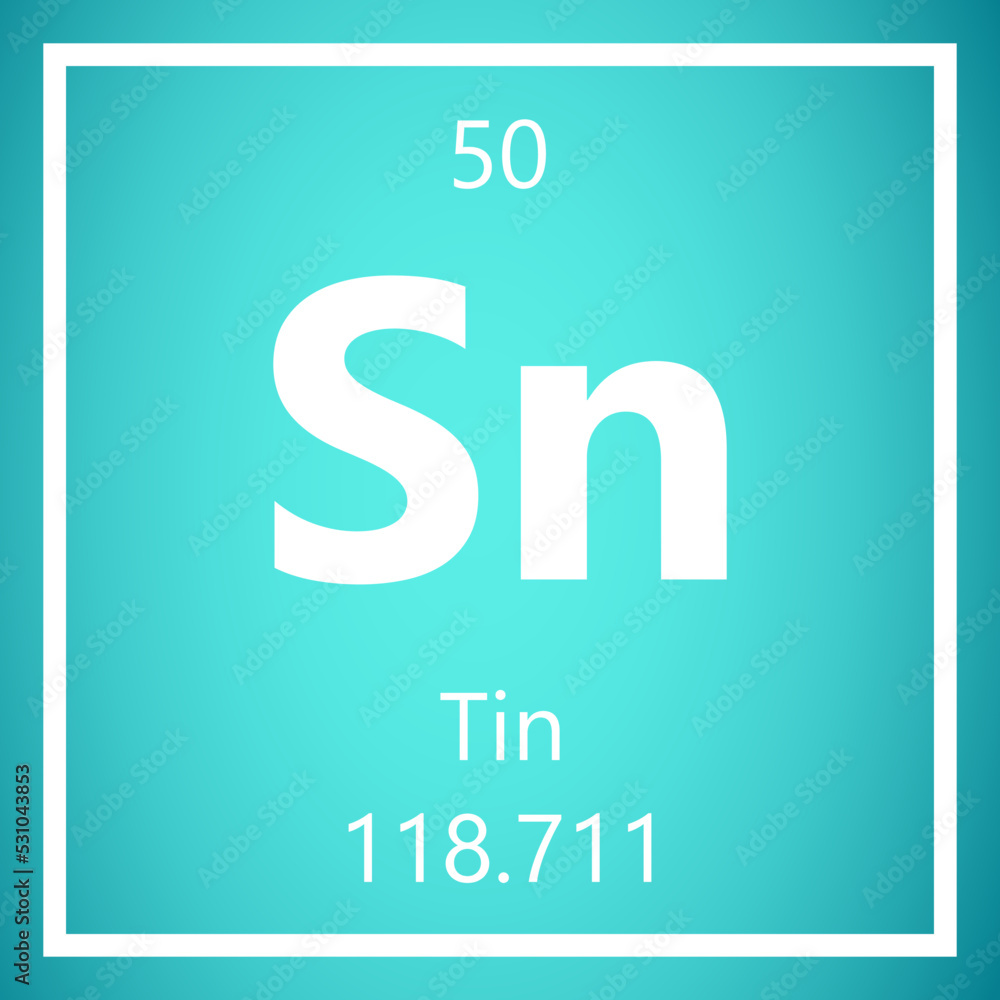
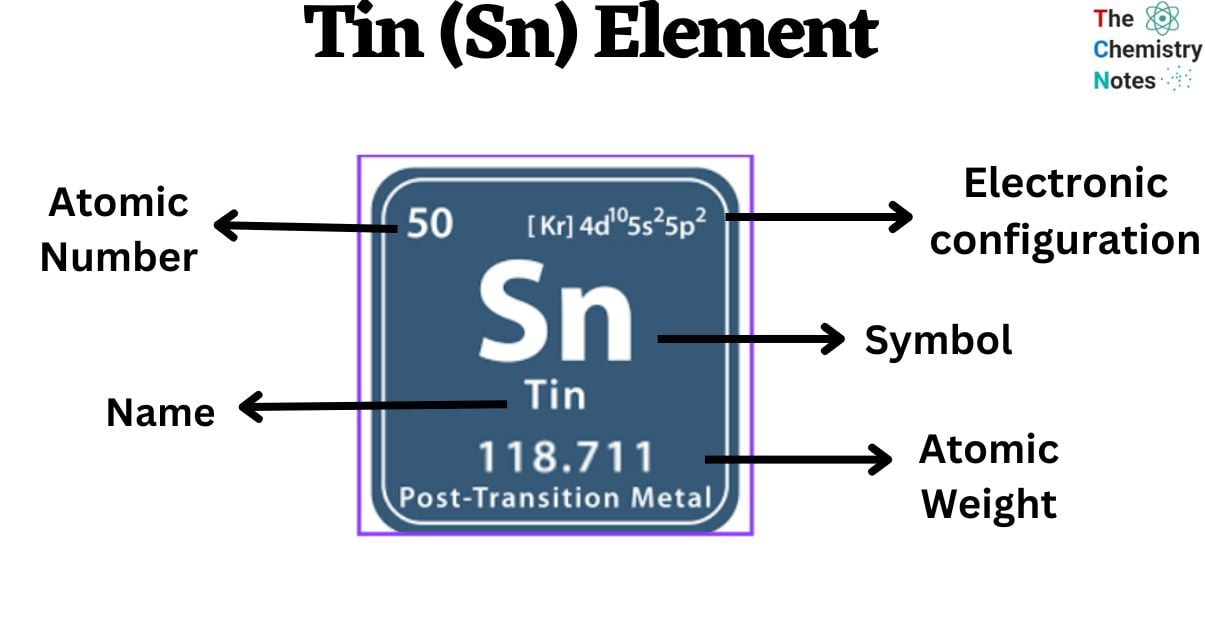
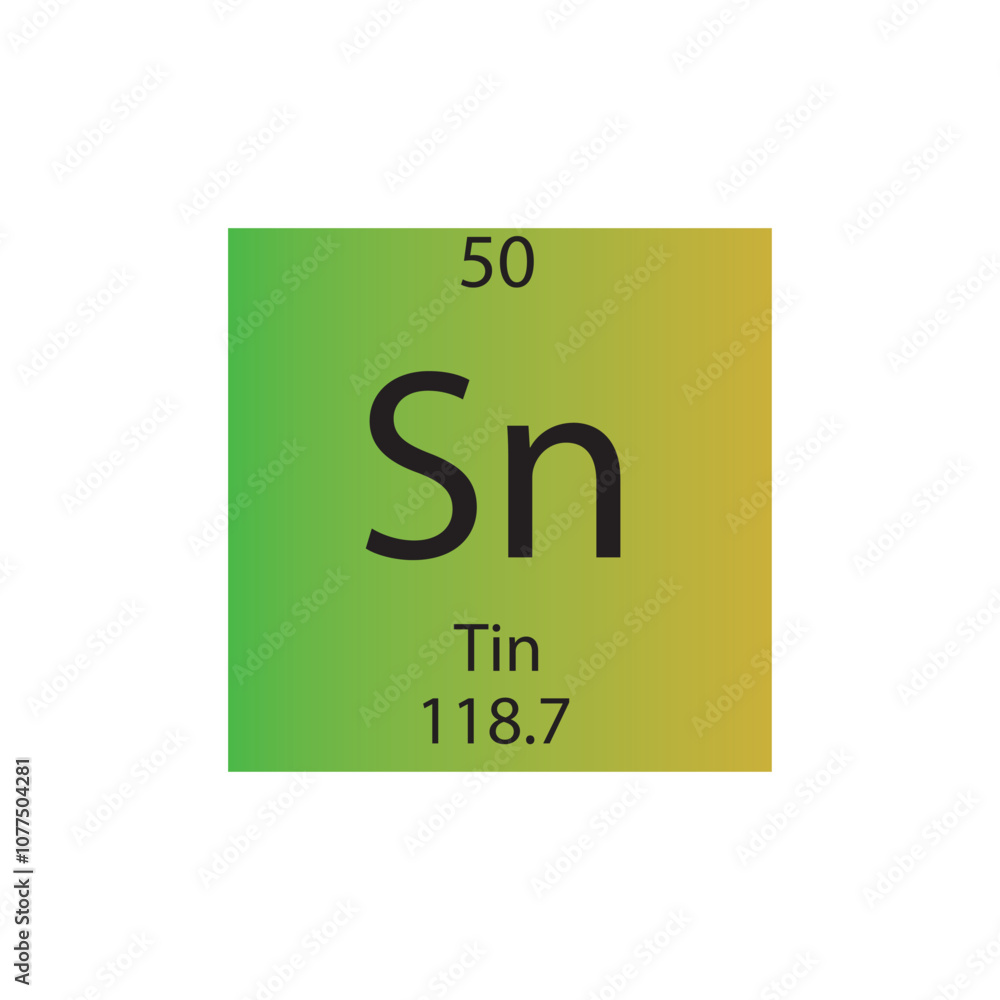
The answer is Tin! Yes, that same tin used in cans, solder, and even some fancy alloys. Why "Sn" and not "Ti" which seems more logical? Well, the periodic table doesn't always follow English! "Sn" comes from the Latin word for tin: stannum. Knowing this little fact opens up doors to understanding history, science, and even art.
Why is this knowledge useful? For beginners just starting to explore science, knowing that "Sn" = Tin is a great first step. It makes the periodic table less intimidating and more approachable. Think of it as learning the alphabet of chemistry! For families, it’s a fun way to introduce kids to science concepts in a practical way. "Hey, remember that tin can we recycled? That's Sn on the periodic table!" Turn everyday objects into learning opportunities. And for hobbyists like those interested in soldering or crafting, knowing the properties of tin (represented by "Sn"!) can be incredibly helpful. Understanding its melting point, reactivity, and how it interacts with other metals can improve your projects immensely.
Must Read
Tin is a fascinating element. It's used in countless ways, from coating other metals to prevent corrosion (think tin cans!) to being a key component in bronze (a mixture of tin and copper). There are even different allotropes of tin - gray tin and white tin. White tin is the familiar, shiny metallic form we usually see. Gray tin is a brittle, powdery form that appears at very low temperatures. This phenomenon, known as tin pest, can be a headache for historical artifacts stored in cold climates! The understanding of the chemical element Tin and its representation as "Sn" is incredibly valuable.
Ready to dive deeper? Here are a few simple tips for getting started with the periodic table:
- Download a free periodic table app: Many apps provide interactive information about each element.
- Focus on common elements first: Learn the symbols for elements like oxygen (O), hydrogen (H), carbon (C), and iron (Fe).
- Relate elements to everyday objects: Think about what materials are made of and try to identify the elements involved.
Unlocking the secrets of the periodic table, one symbol at a time, can be incredibly rewarding. Knowing that "Sn" stands for tin connects you to a rich history of scientific discovery and practical application. So, embrace the challenge, explore the elements, and enjoy the journey of discovery. You never know what fascinating facts you'll uncover!